Pacific Islands Push Companies to Rethink Ocean Plastic
Small island nations are leading a powerful call for packaging companies to redesign products that overwhelm their shores and waters. With limited infrastructure and land, these communities are showing the world what real solutions look like.
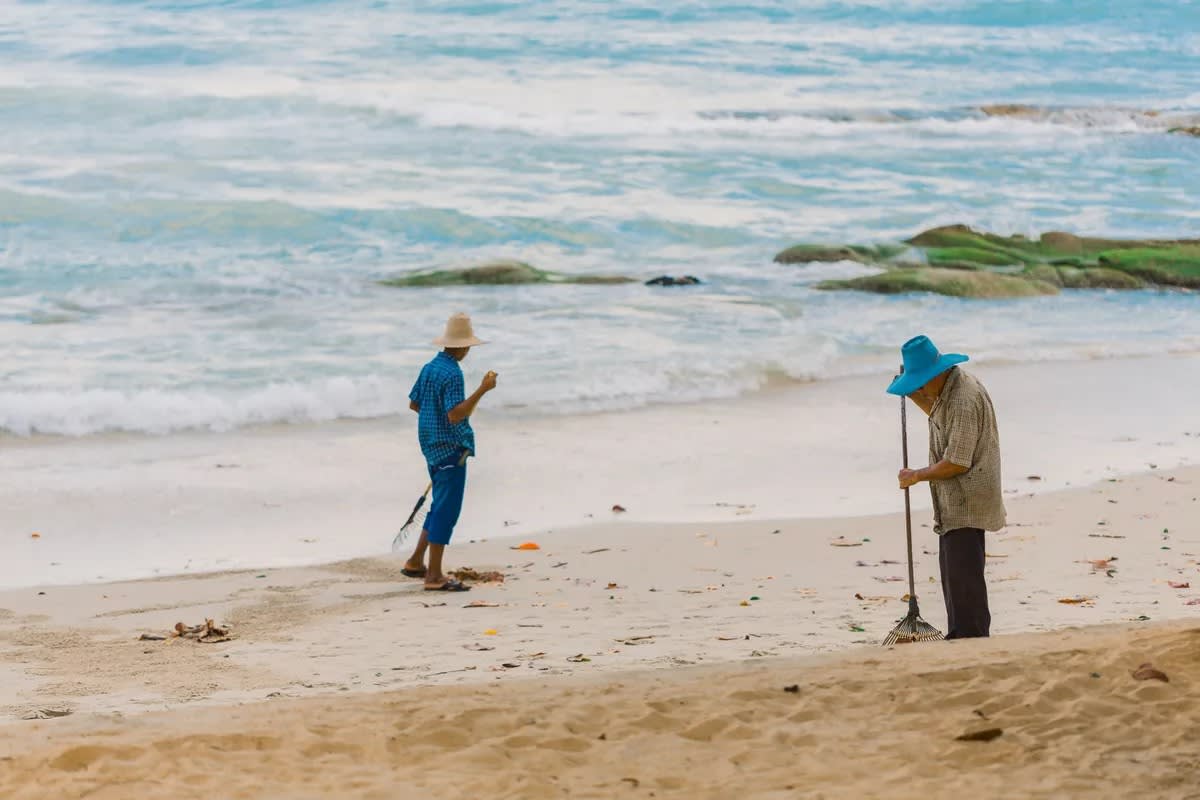
Pacific island nations face an ocean plastic crisis that larger countries rarely see, with waste washing onto their shores faster than they can process it.
The Cook Islands, Samoa, and other island communities are now demanding that food and beverage companies redesign packaging before it ever reaches their markets. They're not just managing waste anymore. They're asking why the problem exists in the first place.
Halatoa Fua, who leads environmental efforts for the Cook Islands, explains that island economies face unique challenges. Limited land, high shipping costs, and no large recycling facilities mean that single-use packaging creates an impossible burden. What works in Los Angeles or London simply doesn't work on a small island.
The Australian Government's Pacific Ocean Litter Project is helping these nations push back. The initiative brings together island governments and conservation experts to develop practical solutions that fit small, dispersed populations. Their answer? Keep it simple.
Deposit return systems for bottles, refillable containers for household products, and community recovery programs are showing real promise. These aren't complex recycling schemes. They're straightforward systems that islanders can actually use.
James Atherton, a conservation expert in Samoa, points to a frustrating example. Last year, Coca-Cola switched from reusable glass bottles to plastic bottles in Samoa, moving backward just as the crisis intensifies. Studies show that beverage packaging is now one of the most common items littering coastlines worldwide.
The numbers tell a sobering story. From 2000 to 2023, just three companies (Coca-Cola, PepsiCo, and Nestlé) produced 138 million metric tons of plastic. Only 8% to 11% was recycled.
The Ripple Effect
Island nations are proving that reuse beats recycling. Glass bottles have worked at scale for decades in many countries, and they still do in places that never abandoned them. These systems require collaboration between companies, governments, and communities, but they eliminate waste rather than just managing it.
The movement is gaining momentum beyond the Pacific. The UN Global Plastics Treaty negotiations included specific recognition that small island developing states need special consideration. They experience the worst impacts but have the least capacity to cope.
Fua argues that global solutions must adapt to island realities. Extended producer responsibility programs, import controls, and reuse targets need financing and support to work in small markets. When designed correctly, these systems protect both oceans and communities.
Pacific islanders are showing us that the best time to stop ocean plastic is before products are designed, shipped, and opened. Their voices are finally being heard where it matters most: in boardrooms and policy meetings where packaging decisions are made.
More Images




Based on reporting by Google News - Plastic Reduction
This story was written by BrightWire based on verified news reports.
Spread the positivity!
Share this good news with someone who needs it