Egypt's High-Speed Rail Nears Test Runs on Red Sea Route
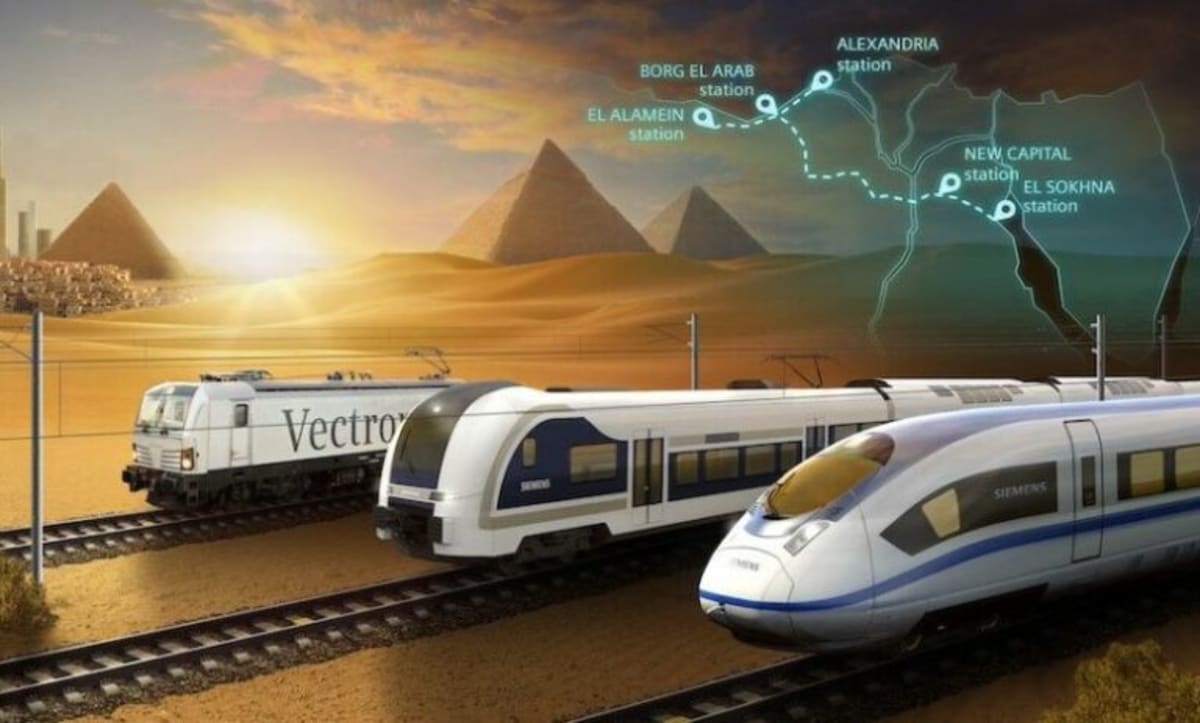
Egypt is preparing to test the first section of a massive high-speed electric rail network that will eventually stretch 2,250 km across the country. The initial 660-km line will connect the Red Sea to the Mediterranean, creating what officials call a "new Suez Canal on rails."
Egypt is about to make history with Africa's largest high-speed rail network, and the first trains could start test runs within months.
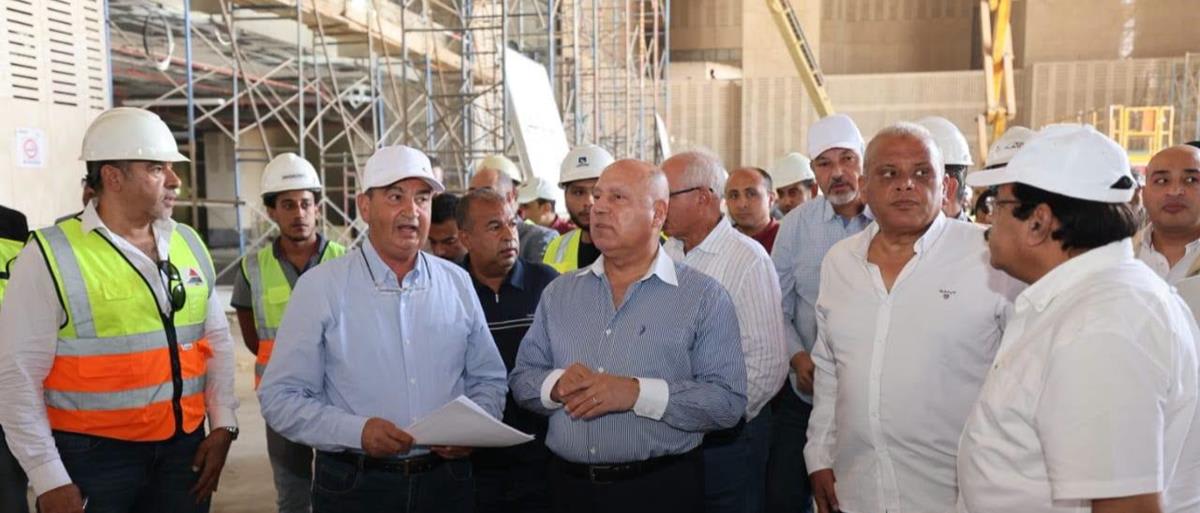
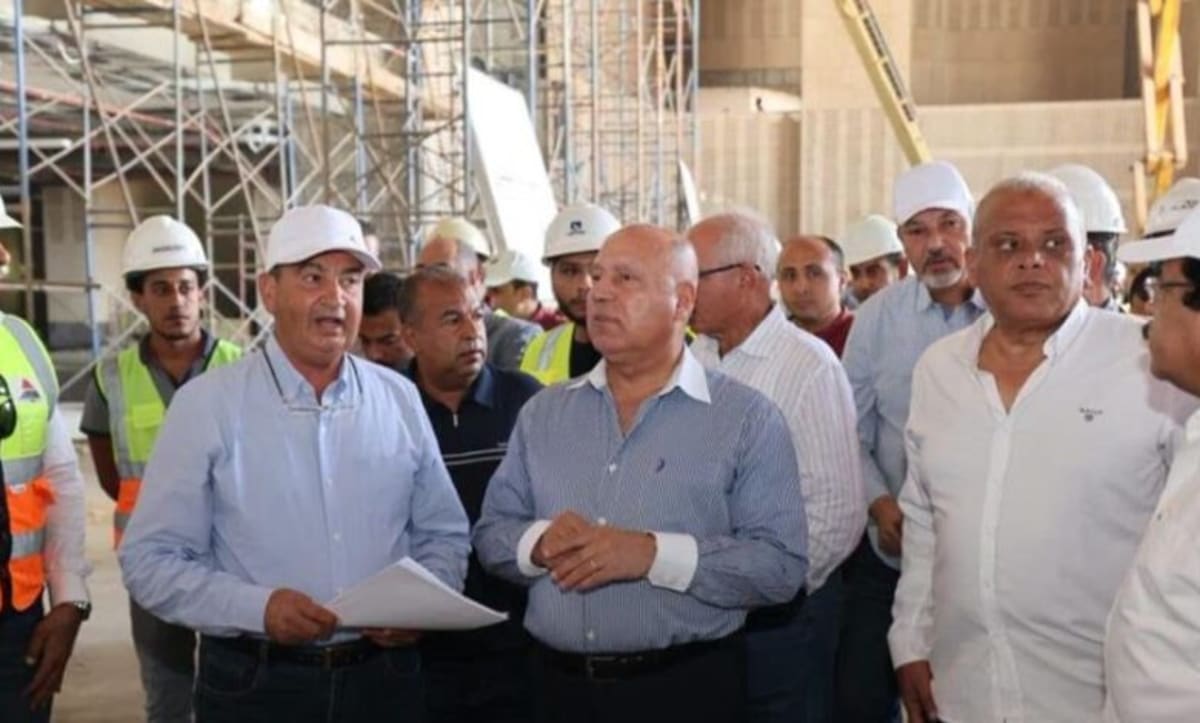
Transport Minister Kamel al-Wazir recently inspected the progress on the network's first line, which stretches 660 kilometers from Ain Sokhna on the Red Sea to Matrouh on the Mediterranean coast. Trial operations without passengers are set to begin soon on one section of the route.
The scale of this project is staggering. When complete, Egypt's high-speed electric rail network will cover 2,250 kilometers across four lines, with the first three lines already under construction.
The first line alone will feature 21 stations, 15 high-speed trains, 34 regional trains, and 14 freight locomotives. A massive maintenance facility near the Central Capital station will span 243 hectares and store up to 50 trains.
Egyptian workers and engineers have built impressive infrastructure to support the network. The Al-Khor Bridge over Wadi Degla stands 90 meters high and stretches 600 meters long, showcasing the engineering achievement this project represents.
The network will connect seamlessly with other transit systems, including metro lines, light rail, and monorail routes. Stations are designed to link with nearby airports, making travel across Egypt faster and more convenient than ever.
The Ripple Effect
This project goes far beyond getting people from point A to point B faster. The high-speed rail network will strengthen Egypt's position as a regional transport and logistics hub, attracting both domestic and foreign investment.
The connections between newly developed areas and existing cities will support industry, tourism, urban development, and agriculture. Travel and transport costs will drop, while direct and indirect jobs are being created throughout the construction and operation phases.
Officials describe the Red Sea to Mediterranean connection as a "new Suez Canal on rails," highlighting how it will transform freight transport and trade routes. A dedicated 6-kilometer rail connection to Ain Sokhna Port will facilitate cargo movement to and from the high-speed network.
Egypt is also focusing on making this achievement sustainable long-term. The government is working to localize the production of trains, components, and systems through factories operated by the National Egyptian Railways Industries Company, Alstom, and Coloway.
Civil works, bridges, tunnels, and track construction have been carried out by Egyptian companies and paid for in Egyptian pounds, keeping economic benefits within the country.
As test runs approach, this ambitious project shows how developing nations can build world-class infrastructure that transforms entire regions and creates opportunities for generations to come.
More Images
Based on reporting by Egypt Independent
This story was written by BrightWire based on verified news reports.
Spread the positivity!
Share this good news with someone who needs it