El Paso Scientists Target Cancer With Ancient Indian Tree
A researcher who grew up using a "pharmacy tree" in India just won a grant to test whether its compounds can fight pancreatic cancer with fewer side effects than chemotherapy. El Paso faces the highest pancreatic cancer rates in Texas, making this breakthrough research especially urgent for the local community.
A plant that treated fevers in her grandmother's backyard might now help save lives in El Paso, where pancreatic cancer strikes harder than anywhere else in Texas.
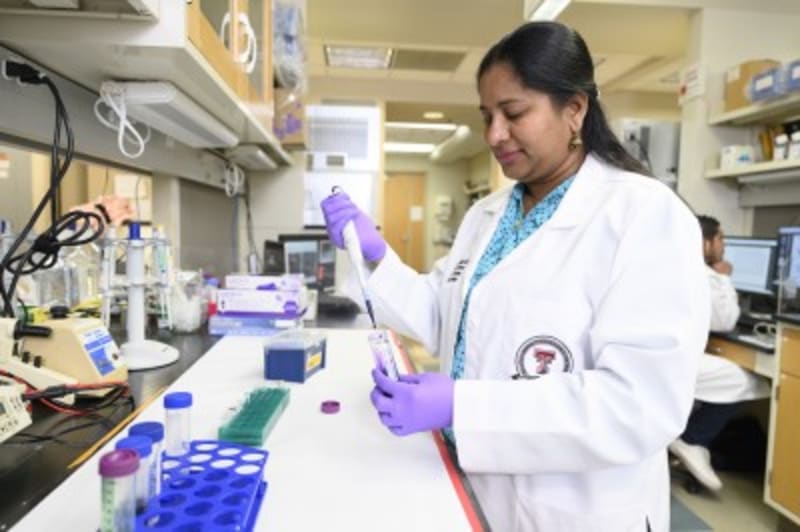
Dr. Ramadevi Subramani Reddy remembers the neem tree from her childhood in India, where families used it like a natural medicine cabinet. Now, after 14 years at Texas Tech Health El Paso, she's testing whether a compound from that same tree can fight one of the deadliest cancers with gentler side effects than traditional chemotherapy.
The $45,000 grant from the Lizanell and Colbert Coldwell Foundation funds her research on gedunin, a natural compound from the neem tree. Her goal is to disrupt the Sonic Hedgehog signaling pathway, which controls how cancer cells grow and spread through the body.
The timing couldn't be more critical. Pancreatic cancer hits El Paso County at a rate of 8.8 per 100,000 people, and the disease carries a 90% mortality rate with a median survival time of just six months.
"Most chemotherapeutic drugs are a little toxic," Dr. Subramani Reddy explained. "Finding an effective drug with fewer adverse effects is very important."
The neem tree, scientifically called Azadirachta indica, has been dubbed the "farmer's pharmacy" because people use it to treat everything from diabetes to infections. In India, families break off stems to use as natural toothbrushes and add leaves to everyday cooking.
Dr. Subramani Reddy believes the tree's connection to diabetes treatment makes it especially promising for pancreatic cancer research. If successful, the treatment could give patients precious extra time while causing less harm to their bodies than current options.
Meanwhile, fellow researcher Dr. Kazue Okajima received a $36,000 Coldwell grant to study heart disease treatments. She's comparing blood thinning medications for Borderplex patients undergoing angioplasty, and her findings are already changing how she treats patients with advanced heart disease.
The Ripple Effect
Since 1991, the Coldwell Foundation has invested more than $1.6 million in medical research at Texas Tech Health El Paso. These grants focus specifically on diseases that kill El Pasoans at higher rates than other Americans, ensuring treatments work for this unique border community.
The research matters beyond El Paso too. Cardiovascular disease and cancer affect underserved communities across the country at disproportionate rates, and breakthroughs here could help patients everywhere.
"These grants allow our researchers to focus on the diseases killing El Pasoans at higher rates than the rest of the country and find treatments that work specifically for our community," said Dr. Rajkumar Lakshmanaswamy, dean of the Francis Graduate School of Biomedical Sciences.
From ancient wisdom to cutting-edge science, hope is growing on trees in El Paso.
Based on reporting by Google News - Disease Cure
This story was written by BrightWire based on verified news reports.
Spread the positivity!
Share this good news with someone who needs it