Deadly Blood Cancer Now 90% Curable Through Global Team
Three scientists from France and China turned one of the deadliest forms of leukemia into one of the most curable, saving thousands of lives worldwide. Their 30-year collaboration combined Western and Chinese medicine to achieve a 90% survival rate.
A cancer diagnosis that once meant almost certain death now has a 90 percent survival rate, thanks to three scientists who refused to work in isolation.
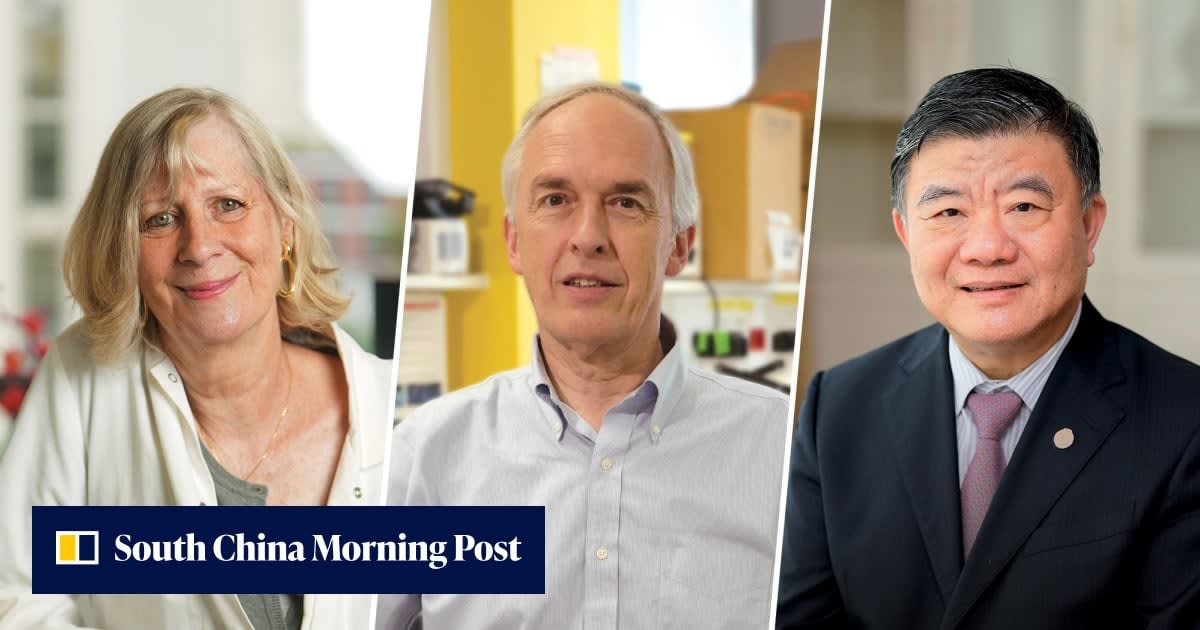
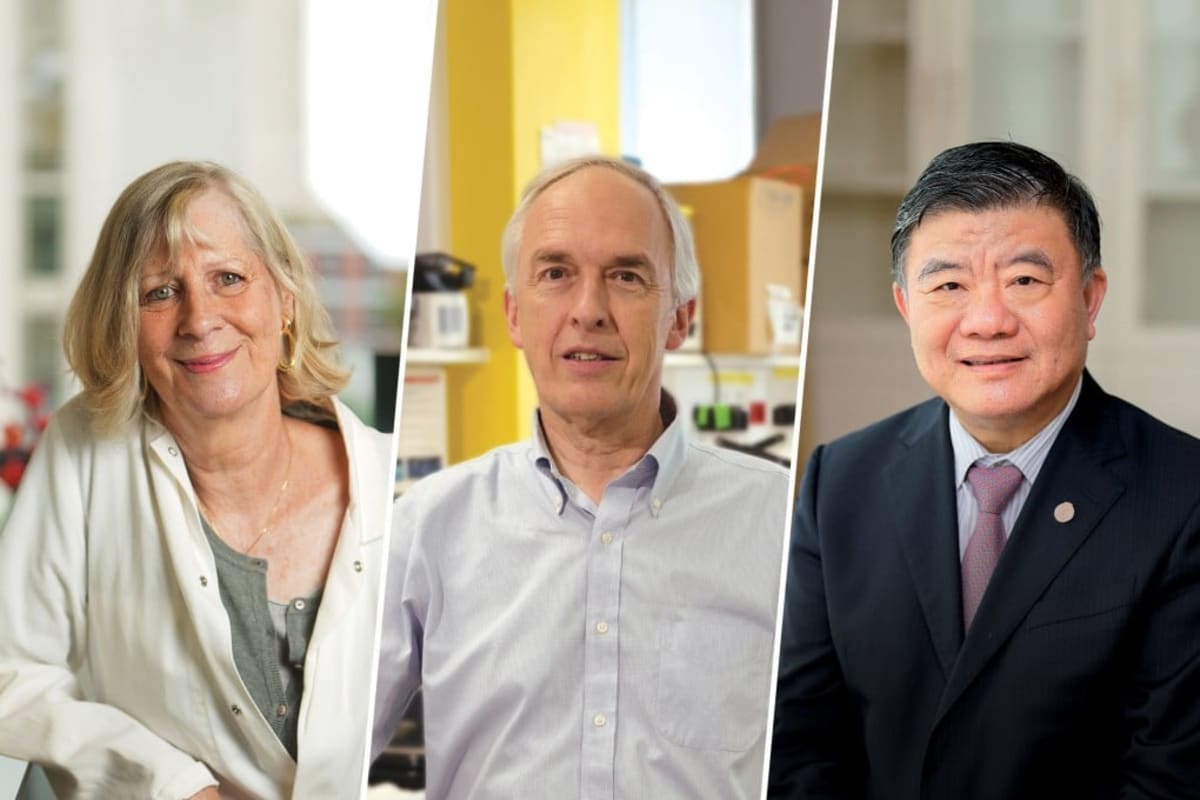
French molecular biologists Anne Dejean and Hugues de The, along with Chinese haematologist Zhu Chen, spent more than 30 years unraveling the mysteries of acute promyelocytic leukemia (APL). Their work earned them the 2026 Shaw Prize in Life Science and Medicine.
APL is an aggressive blood cancer caused when two genes fuse together abnormally. This creates a hybrid protein that blocks healthy blood cell development and causes immature cells to pile up dangerously in the body.
The breakthrough came through an unlikely combination. The team discovered they could treat APL using retinoic acid (a vitamin A derivative) and arsenic trioxide, merging approaches from Western and Chinese medical traditions.
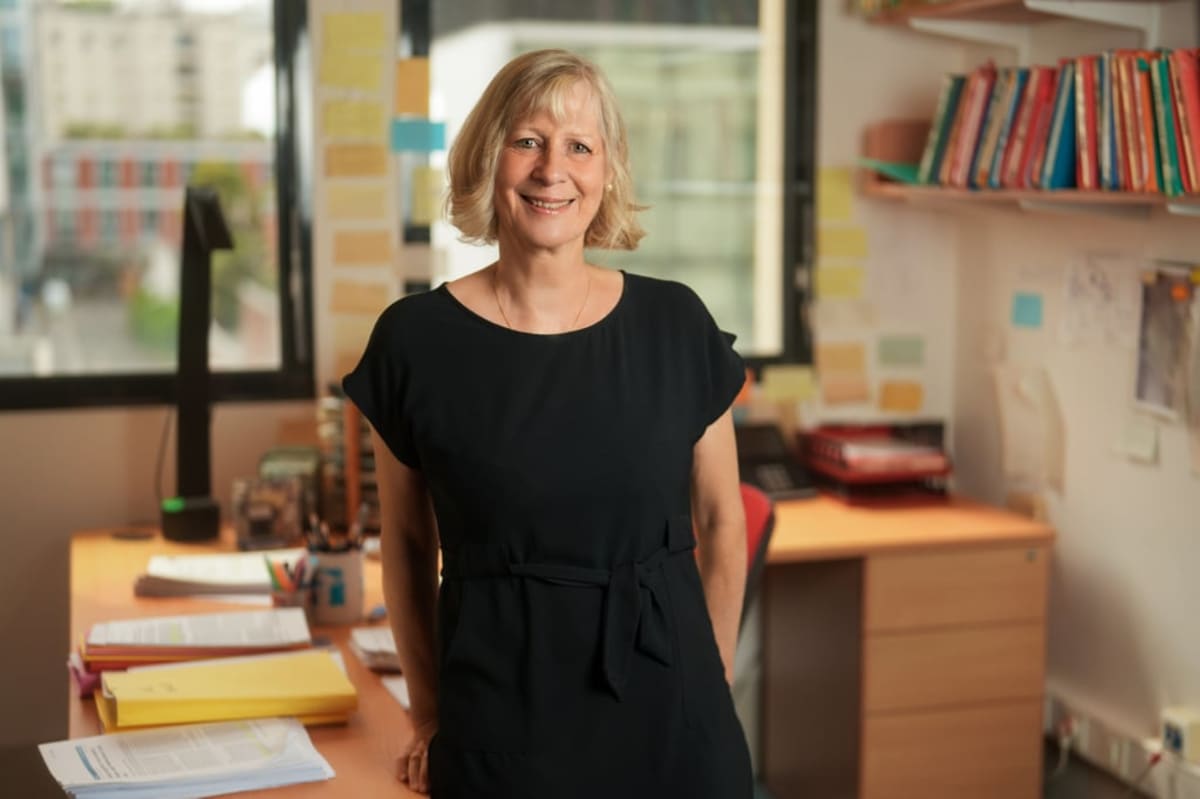
Dejean's journey started with childhood walks through French forests, observing beetles and ferns. Those Sunday explorations sparked a lifelong fascination with how living cells function.
Her research into hepatitis B and liver cancer led to an unexpected discovery of the retinoic acid receptor gene. Working with de The, they found this gene fuses with another gene called PML to cause APL.
De The's path into APL research happened by chance. His father, Guy de The, was among the first Western scientists to collaborate with Chinese researchers in the late 1970s, paving the way for future partnerships.
Zhu Chen brought critical insights from traditional Chinese medicine, particularly around arsenic compounds. His work in Shanghai provided complementary research that, when combined with the French team's discoveries, created a complete treatment picture.
Why This Inspires
The transformation of APL from a death sentence to a curable disease shows what happens when scientists share discoveries across borders. Rather than competing for individual glory, these researchers built on each other's work, testing bold ideas and sharing results openly.
Their willingness to combine Eastern and Western medical approaches created something neither tradition could achieve alone. The arsenic trioxide destroys the abnormal hybrid protein while retinoic acid restores normal blood cell development.
Patients who once faced 10-year survival rates below 10 percent now have better than 90 percent odds. Thousands of families worldwide have been spared devastating losses because three scientists chose collaboration over competition.
The Shaw Prize, established by Hong Kong philanthropist Run Run Shaw, recognizes exactly this kind of breakthrough. Shaw believed successful scientific research unlocks universal mysteries and advances human civilization.
Dejean credits her success to never hesitating to reach out to specialists when her team hit roadblocks. Every solved problem opened new clues and challenges, she says, and progress happened step by step over 18 years.
International collaboration turned a deadly cancer into a medical success story that saves lives every day.
More Images
Based on reporting by Google News - Medical Breakthrough
This story was written by BrightWire based on verified news reports.
Spread the positivity!
Share this good news with someone who needs it