
Korean Researchers Find Protein That May Reverse Alzheimer's
Scientists in South Korea discovered a protein that could tackle multiple causes of Alzheimer's at once, reversing symptoms in mice and pointing to a completely new treatment approach. The breakthrough offers hope for millions as current drugs only address part of the disease.
A single protein might unlock the door to stopping Alzheimer's before it steals memories.
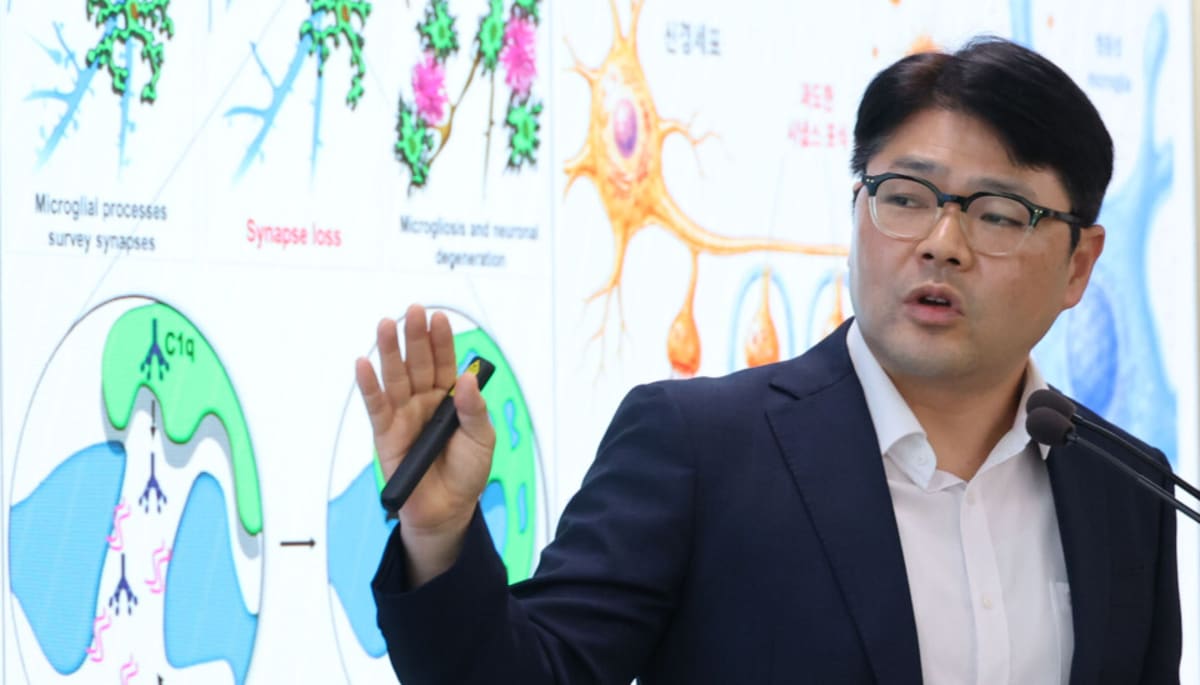
Researchers at South Korea's Institute for Basic Science identified Erbb4 as a master switch that triggers brain damage in the early stages of Alzheimer's disease. Led by associate director Chung Won-suk, the team published their findings in the journal Nature on Wednesday.
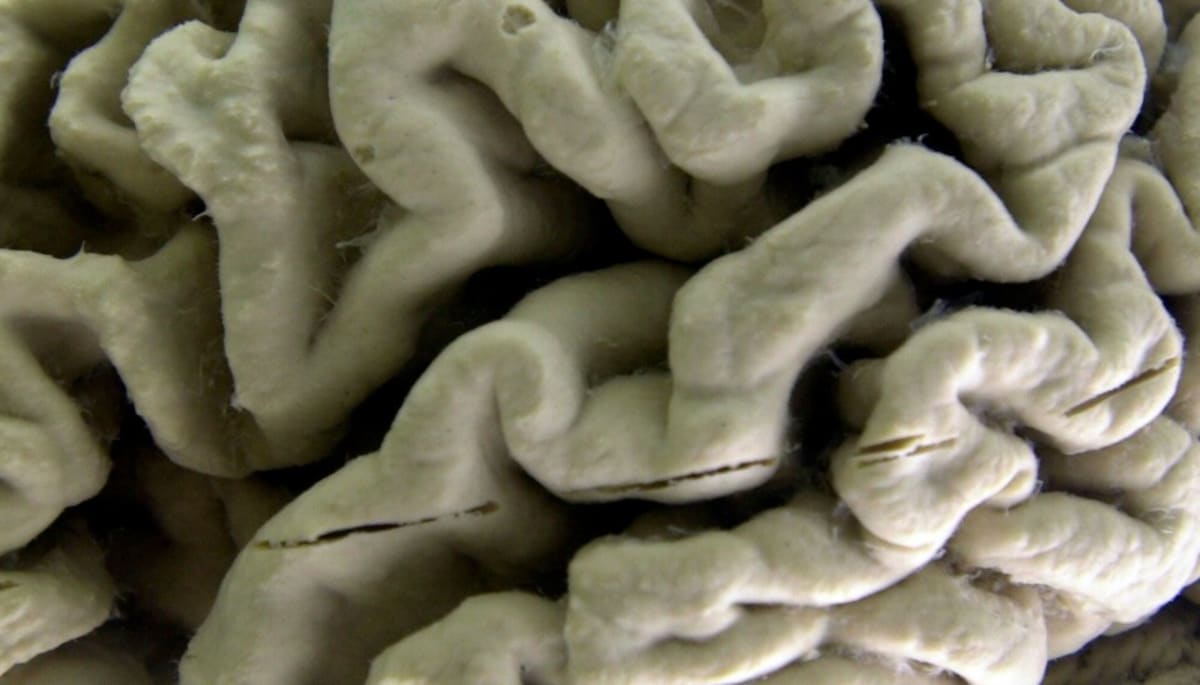
The discovery matters because existing Alzheimer's drugs only clear toxic plaques from the brain. They don't address the full cycle of damage that includes inflammation, broken neural connections, and overactive brain cells working against each other.
The Korean team traced the problem to an unexpected place. Erbb4 normally exists in inhibitory neurons, which help calm brain activity. But in Alzheimer's patients, the protein shows up in excitatory neurons, the cells that help form memories.
When Erbb4 appears where it shouldn't, those memory cells become hyperactive. The brain's support cells then strip away their connections, thinking something is wrong. As more connections vanish, toxic plaques build up and the brain spirals into decline.
The researchers tested their theory by removing Erbb4 from excitatory neurons in mice with Alzheimer's. The results went beyond anyone's expectations.
Overactive neurons calmed down. Brain inflammation dropped. Toxic deposits shrank by more than 50 percent. The mice performed significantly better on memory and navigation tests.
Even more striking, healthy mice developed Alzheimer's symptoms when researchers artificially boosted their Erbb4 levels. It was like watching the disease turn on and off with a switch.
Human data backed up the findings. Among 446 Alzheimer's patients, higher Erbb4 levels matched more severe disease and faster cognitive decline.
Why This Inspires
This discovery represents a fundamentally different approach to fighting Alzheimer's. Instead of attacking one symptom at a time, targeting Erbb4 could address inflammation, plaque buildup, and neural damage simultaneously.
For the 55 million people worldwide living with dementia, that matters immensely. Current treatments slow decline modestly at best. A therapy that tackles multiple disease processes at once could actually reverse damage in early stages.
The challenge now is precision. Erbb4 plays important roles throughout the body, so simply blocking it everywhere would cause serious problems. Scientists need technology that can target only the specific neurons where Erbb4 causes harm.
Professor Kim Dae-soo at KAIST believes it's possible. "If we can precisely suppress Erbb4 only in the excitatory neurons responsible for memory, we may be able to stop dementia at an early stage," he explained.
The path from lab discovery to approved drug typically takes years. But this research offers something families facing Alzheimer's desperately need: a genuinely new direction forward.
More Images

Based on reporting by Google News - Researchers Find
This story was written by BrightWire based on verified news reports.
Spread the positivity!
Share this good news with someone who needs it