Electric Cars Outlast Gas Cars in Millions of UK Tests
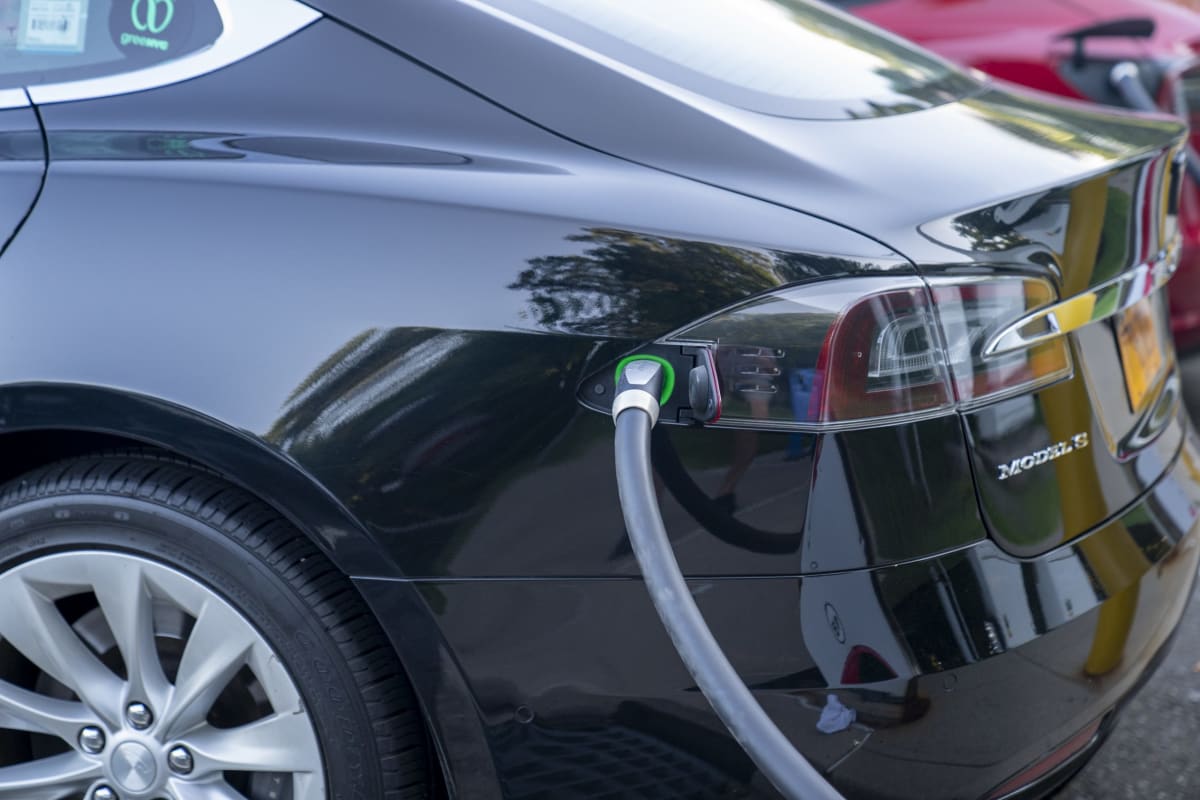
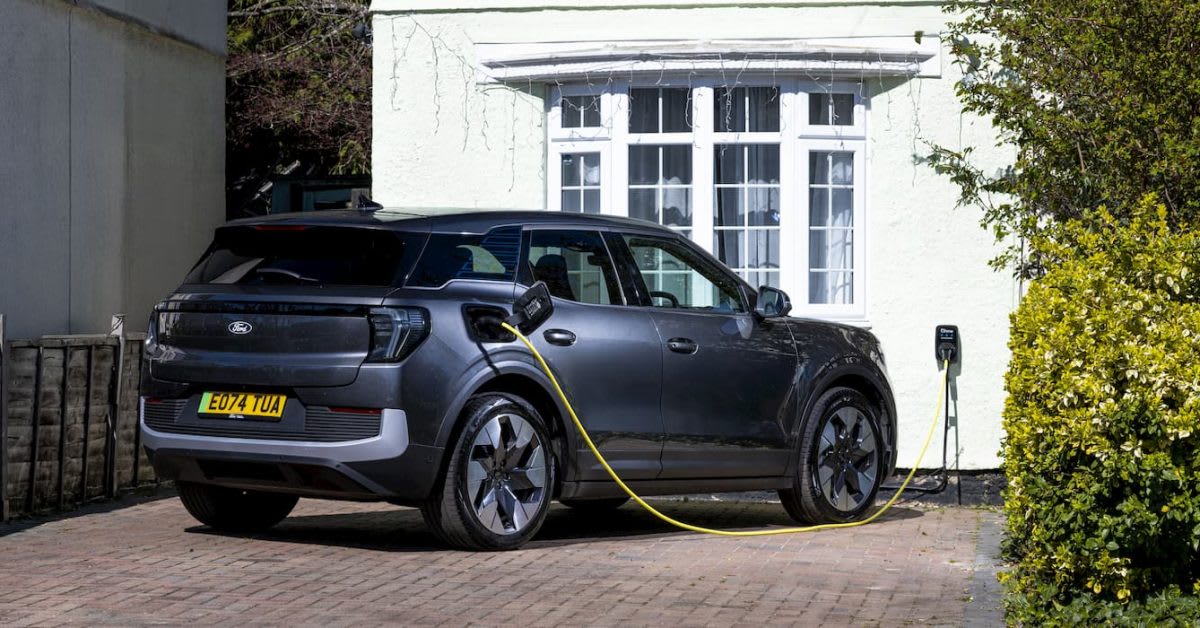
A massive study of millions of British vehicles reveals electric cars stay on the road longer than gas cars, especially after hitting 40,000 miles. The findings flip the script on fears about EV durability.
Electric vehicles are proving tougher than their gas-powered cousins, and millions of real-world tests back it up.
Researchers analyzed data from British MOT tests, the annual safety checks required for all vehicles on UK roads. These inspections examine suspension, brakes, tires, exhaust, and emissions to determine if a car can legally stay on the road.
The results surprised even optimists. In the early years, electric and gas cars perform about the same. EVs actually show slightly more problems at first, but that's only because their owners drive them more miles right away.
The real difference emerges after 40,000 miles. Gas cars start failing more often, and the gap only widens. By 120,000 miles, gas vehicles are 7.5% more likely to have failed their safety tests than electric cars.
The study compared identical models with different powertrains, like electric and gas versions of the same vehicle. In nearly every case, the electric version proved more reliable. This happened even though these weren't purpose-built EVs but gas car designs retrofitted with heavy batteries.
Electric cars showed fewer suspension problems despite carrying extra weight. Their brakes lasted much longer too, thanks to regenerative braking doing most of the stopping work. The only catch: EVs over 10 years old showed more brake corrosion from underuse, so drivers need to use their friction brakes occasionally.
Commercial vans told the same story. Electric delivery vehicles outlasted diesel versions in reliability tests.
The Bright Side
This study tackles one of the biggest fears keeping people from going electric. Many potential buyers worry about long-term reliability, especially as batteries age and technology evolves.
The data shows these fears don't match reality. Electric vehicles have fewer moving parts, which means fewer things can break. That simple engineering truth is now backed by millions of road tests spanning nearly two decades.
Tire wear remains higher for EVs due to their extra weight, but that's a small trade-off. Tires are routine maintenance items that wear out anyway. Purpose-built EVs show much better tire performance than converted gas car designs.
The findings matter beyond individual car choices. They suggest electric vehicle transition won't create mountains of prematurely scrapped cars. These vehicles can serve their owners for hundreds of thousands of miles, just like people expect from any good car.
Real-world durability was the final question mark hanging over electric vehicles, and now we have an answer written in millions of data points.
More Images


Based on reporting by Electrek
This story was written by BrightWire based on verified news reports.
Spread the positivity!
Share this good news with someone who needs it