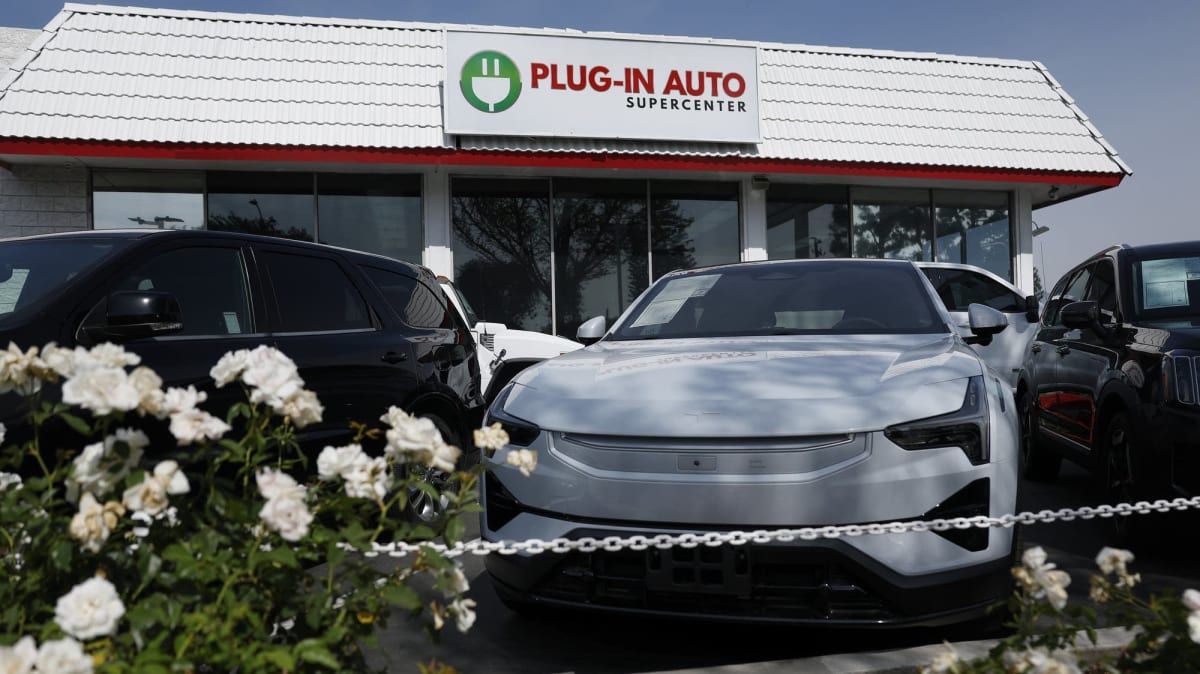
Electric Cars to Match Gas Prices by 2030
The biggest barrier to electric vehicle adoption is finally crumbling. Experts predict EVs will cost the same as gas cars within four years, thanks to rapidly falling battery prices.
The sticker shock that's kept millions of Americans from going electric is about to disappear.
Right now, electric vehicles cost about $8,000 more than their gas-powered counterparts. But industry experts say that price gap will vanish by 2030, opening the door for EVs to become as common in American driveways as traditional cars.
The game changer? Cheaper batteries. Since batteries make up 40% of an electric vehicle's cost, their plummeting prices are dragging down the entire price tag.
"The battery price going down is going to be critical," said Stephanie Valdez Streaty of Cox Automotive. And that drop is already happening faster than anyone expected.
China offers a glimpse of what's coming. By investing in cheaper lithium iron phosphate batteries that use abundant iron instead of expensive rare earth minerals, Chinese automakers achieved price parity years ago. Now one in every two new cars sold in China is electric or hybrid.
Western automakers initially bet on a different technology called NMC batteries, which packed more power but relied on costly materials. That's changing fast.
Chinese engineers spent the last decade making lithium iron phosphate batteries smaller, faster charging, and more efficient. Last year, they became the dominant battery technology worldwide, powering more than half of all new electric vehicles.
American and European automakers are now racing to adopt the same approach. The result will be EVs that everyday families can actually afford.
The Ripple Effect
When electric cars hit price parity in three to four years, the automotive landscape will transform overnight. CJ Finn of PwC predicts EVs will capture 30% of new vehicle sales, with hybrids taking another third and traditional gas cars dropping to just one third of the market.
That's a massive shift from last year, when electric and hybrid vehicles combined made up just 22% of new car purchases. The change means cleaner air in cities, fewer trips to the gas station, and lower maintenance costs for millions of families.
The transition isn't about subsidies or mandates anymore. It's pure economics, and the math is finally working in favor of electric.
The future of affordable, accessible electric transportation is just around the corner.
Based on reporting by Google News - Electric Vehicle
This story was written by BrightWire based on verified news reports.
Spread the positivity!
Share this good news with someone who needs it