Electric Fields Slow Brain Cancer Growth 8-Fold
Western University researchers developed a treatment using electric fields that slowed aggressive brain cancer growth eight times more than normal in lab tests. The breakthrough brings hope for glioblastoma patients, who currently survive just over a year after diagnosis.
A neurosurgeon treating Parkinson's patients wondered if the same electric pulses calming tremors could fight cancer, and more than a decade later, that curiosity just produced remarkable results.
Dr. Matthew Hebb at Western University's Schulich School of Medicine started experimenting with tumor samples back in his lab after brain surgeries. When he implanted tiny electrodes and zapped cancer cells, something unexpected happened: the tumors responded.
That moment launched years of research into Intratumoral Modulation Therapy (IMT), a new approach using low-power electric fields to disrupt glioblastoma, one of the deadliest brain cancers. Even with surgery, radiation, and chemotherapy, patients with this disease typically survive just over a year.
The latest study, published in Neuro-Oncology Advances, shows IMT can now deliver stronger, rotating electric fields directly into tumors. In animal tests, the treatment produced an eight-fold reduction in tumor growth measured through bioluminescence and a five-fold reduction in tumor volume measured by MRI after just seven days.
The treatment works differently than you might expect. Instead of burning tumors with electricity, IMT delivers gentle electric fields that interfere with how cancer cells divide, essentially stalling them mid-process.
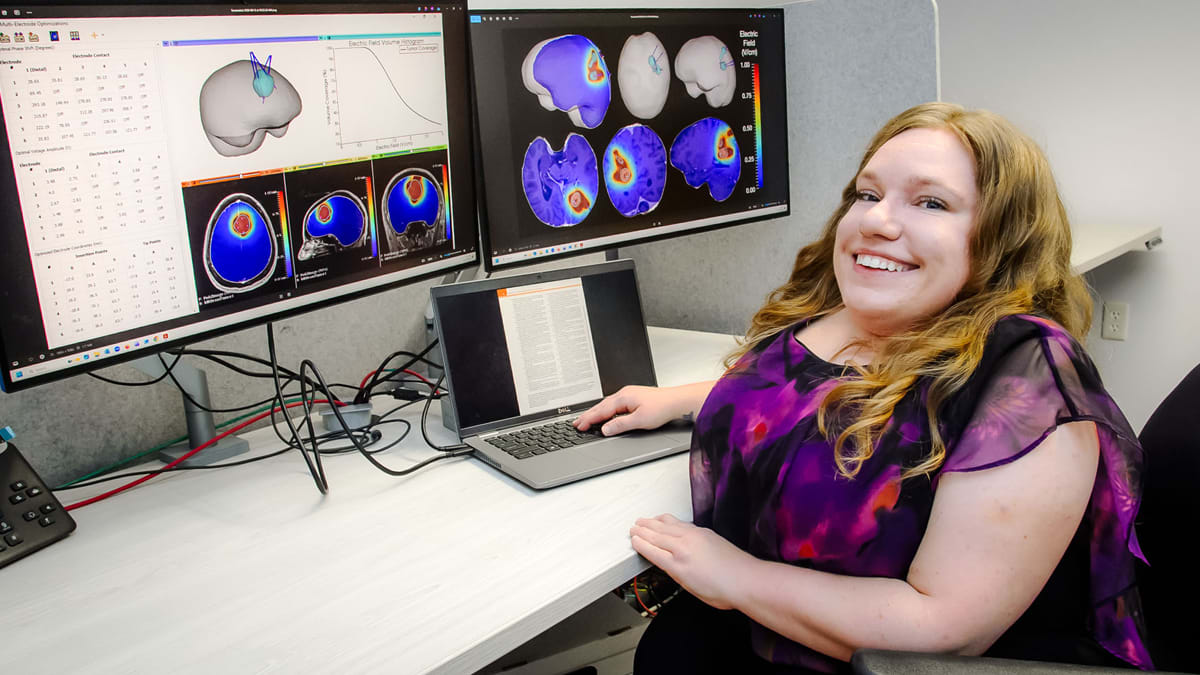
Postdoctoral researcher Erin Iredale has worked on this project since her undergraduate days in 2016. Her latest contribution solved a critical challenge: precisely controlling where the electric field goes inside the living brain.
The team implanted three electrodes around tumors in rats and created a rotating electric field by shifting the electrical signals. Think of it like triangulating a target, making sure the stimulation covers the entire tumor with no cold spots where cancer cells could escape.
Why This Inspires
Glioblastoma is one of healthcare's toughest challenges, mainly because cancer cells divide rapidly and keep coming back near surgery sites. Current treatments extend life but rarely offer real hope for recovery.
This research team combined expertise from neurosurgery, physics, medical biophysics, and anatomy to tackle the problem from a completely new angle. They took technology designed to stop tremors and reimagined it to stop cancer cell division.
What makes this particularly promising is that the treatment targets cancer while leaving surrounding brain tissue undisturbed. The researchers increased the frequency beyond what's used for Parkinson's specifically to avoid unwanted effects in healthy brain cells.
Iredale describes the work as solving "this huge problem in health care" through collaboration. The interdisciplinary approach brought together people with different expertise, each contributing pieces to a puzzle that no single field could solve alone.
The treatment still requires more research before reaching patients, but the animal model results represent a significant step forward. For the first time, the team demonstrated that multiple electrodes can safely deliver dynamic electric fields to living brain tissue while dramatically slowing tumor growth.
Patients facing glioblastoma today have few options and grim statistics, but this research offers something they desperately need: a genuinely new path forward.
More Images
Based on reporting by Google News - Researchers Find
This story was written by BrightWire based on verified news reports.
Spread the positivity!
Share this good news with someone who needs it