Electric Trucks Hit the Road as U.S. Fleets Go Green
America's largest companies are racing to electrify their delivery fleets, with Amazon already running 100,000 electric vans in cities nationwide. A $5 billion federal charging network and corporate sustainability goals are making electric commercial trucks a reality.
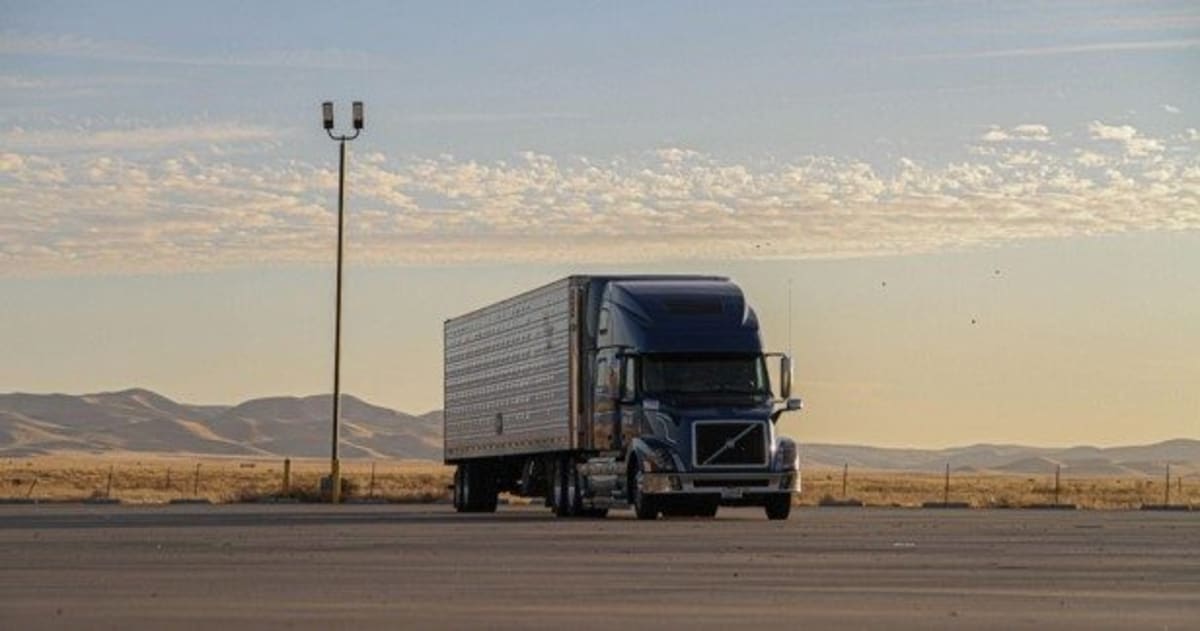
The rumble of diesel delivery trucks is getting quieter across America as electric commercial vehicles take over city streets.
Amazon has deployed 100,000 electric vans from Rivian and is already delivering packages in Seattle, Chicago, Phoenix and other cities. Walmart and FedEx are following close behind with their own electric fleet commitments, turning sustainability promises into rubber on the road.
The shift isn't just corporate goodwill. New EPA emissions standards are pushing manufacturers to phase out traditional engines in heavy-duty vehicles, while states like California are setting even stricter targets that create a patchwork of incentives across the country.
A 2026 Environmental Defense Fund report found that all 50 states and Washington DC now have at least some policies supporting electric vehicles. These range from purchase rebates to charging infrastructure grants and clean fleet requirements.
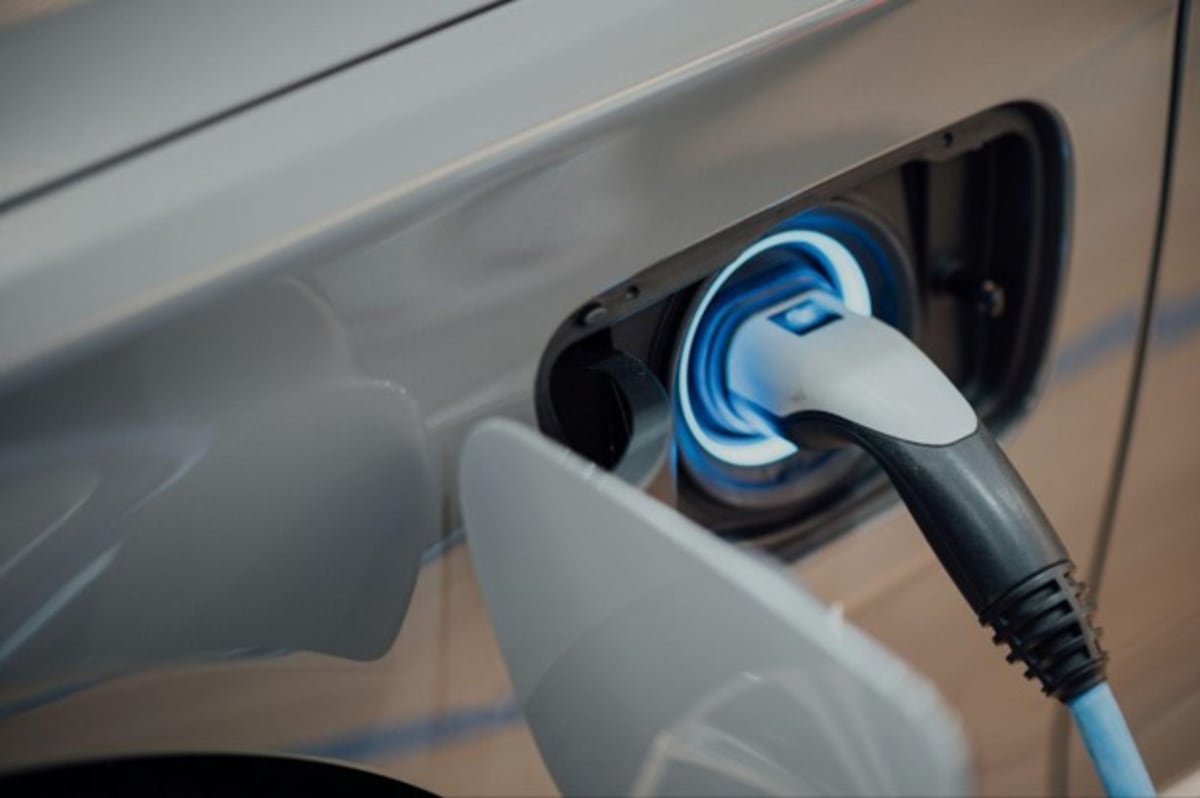
The federal government is tackling the biggest obstacle head-on with the National Electric Vehicle Infrastructure Program. This initiative allocates $1 billion per year from 2022 to 2026 to build a coast-to-coast fast-charging network designed specifically for commercial vehicles.
High-powered chargers with pull-through access for large trucks are becoming reality, solving the chicken-and-egg problem that kept fleets hesitant to go electric. Companies didn't want to buy electric trucks without guaranteed charging, and charging companies wouldn't build stations without guaranteed demand.
Federal tax credits of up to $7,500 help offset the higher upfront costs of electric trucks compared to diesel. But fleet managers are discovering the real savings come over time through lower fuel and maintenance costs, especially as diesel prices remain volatile.
The Ripple Effect
Electric commercial fleets are just the beginning of a broader transformation. Construction equipment is also going electric, with companies redesigning machines to use recyclable metals and hybrid engines that dramatically reduce fuel consumption.
This shift matters because experts predict the construction industry's carbon footprint will double by 2050 without intervention. Every electric bulldozer and delivery van helps prevent that future.
The transition combines government regulations, corporate commitments, financial incentives and infrastructure investment into a powerful force for change. For American workers, it means cleaner air in the cities where these vehicles operate and new manufacturing jobs building the trucks and chargers of tomorrow.
The electric revolution in commercial transportation isn't coming anymore—it's already here, one quiet delivery at a time.
More Images
Based on reporting by Google: electric vehicle milestone
This story was written by BrightWire based on verified news reports.
Spread the positivity!
Share this good news with someone who needs it