Endangered Eels Make Comeback in England's River Tees
A new conservation project is helping critically endangered European eels recover in England's River Tees, where populations have crashed 98% since the 1980s. The "Eels of Steel" initiative is transforming how locals see these misunderstood travelers that swim 3,700 miles from the Caribbean to British rivers.
Volunteers in northeast England are counting tiny, translucent baby eels as they arrive from an epic ocean journey, and the numbers are bringing new hope to one of the world's most endangered species.
The Eels of Steel project, funded by Natural England, is working to restore European eel populations in the River Tees catchment. Teams from Tees Rivers Trust monitor the river between April and November, counting and measuring eels as they pass through.
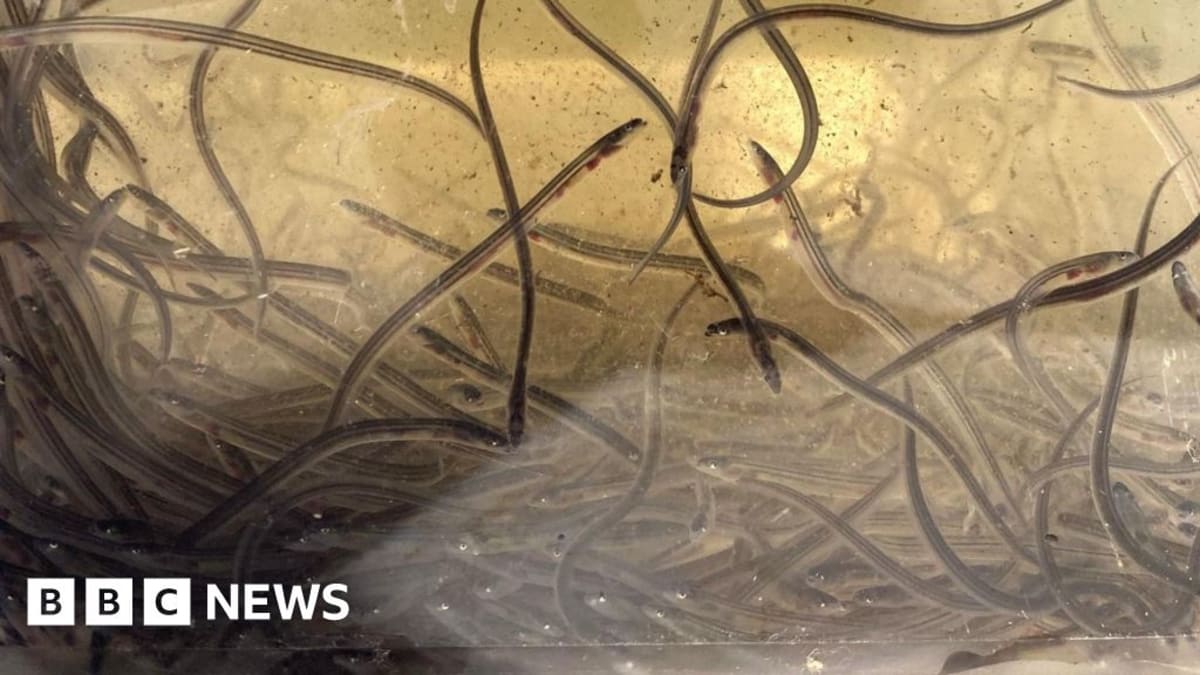
These aren't your average river fish. European eels begin life in the Sargasso Sea near the Caribbean, then swim over 3,700 miles across the Atlantic Ocean to reach European rivers. The juveniles, called glass eels, are almost transparent when they arrive at ages one to two.
"Glass eels are mesmerizing, almost translucent," said project manager Ellie Ward. "It's an adaptation to oceanic migration."
After spending years growing in rivers like the Tees, mature eels make the incredible journey back across the Atlantic to breed. They need to swim freely upstream and downstream to find food and shelter, making healthy river habitats essential for survival.
The stakes couldn't be higher. Since the 1980s, European eel populations have plummeted by up to 98% across all life stages. The species now holds critically endangered status on the International Union for Conservation of Nature Red List.
Multiple threats have devastated eel numbers. Changing water temperatures, pollution, habitat loss, overfishing, and barriers like dams have blocked their epic migration routes.
The Ripple Effect
Saving eels means saving entire ecosystems. These slippery swimmers form a critical link in marine, brackish, and freshwater food chains, feeding otters, bitterns, and countless other species.
The Tees Rivers Trust is also working to change public perception. Many people dismiss eels as "gross and slimy," but learning about their remarkable life cycle changes minds fast.
The project focuses on improving habitat quality and removing barriers that block eel migration. By reconnecting sections of the river, volunteers are giving eels the pathways they need to complete their ancient journey.
Every glass eel counted represents a small victory in a much larger conservation story.
More Images


Based on reporting by BBC Science
This story was written by BrightWire based on verified news reports.
Spread the positivity!
Share this good news with someone who needs it