Europe's First Elephant Sanctuary Welcomes Two Rescues
Two elephants who spent decades alone in a circus and a Belgian zoo are moving to Portugal's groundbreaking 405-hectare sanctuary. Julie and Kariba will finally experience the natural life they were denied for over 40 years.
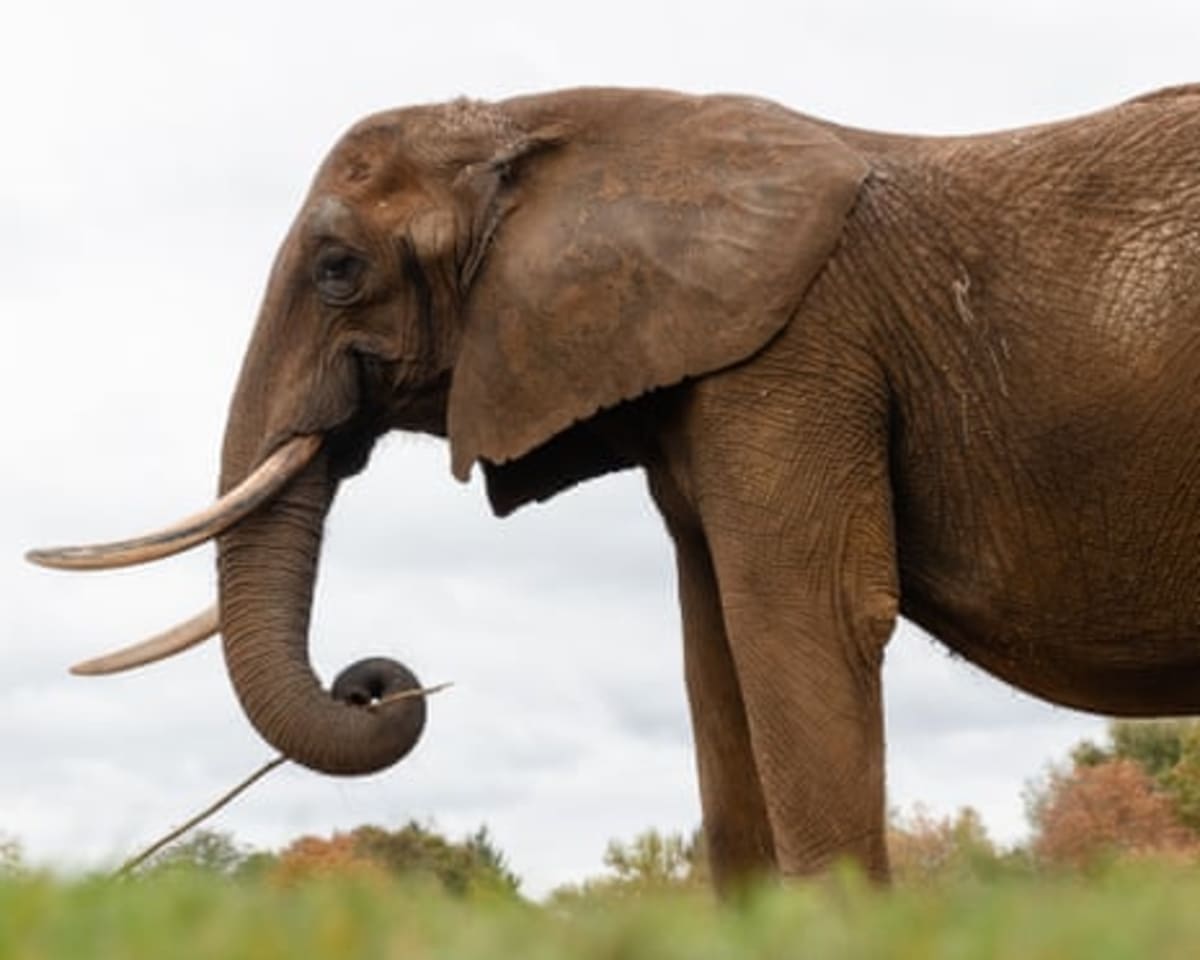
After living alone in a Belgian zoo, Kariba the elephant is about to experience something she hasn't felt in years: the company of another elephant and room to roam.
Kariba and Julie, both female African elephants in their 40s, are the first residents of Europe's first large-scale elephant sanctuary in Portugal's Alentejo region. The sanctuary opens next month on a 405-hectare former cattle ranch, offering a solution for hundreds of captive elephants across the continent who desperately need better homes.
Julie spent decades as Portugal's last circus elephant after arriving from a German zoo in 1988. Kariba lived in isolation at her Belgian zoo, a situation shared by 36 other elephants in solitary confinement across Europe.
Both elephants were captured in the wild during the 1980s. In nature, African elephants live about 56 years, but captive elephants average just 17 years due to restricted movement, inadequate space, and social isolation.
"Kariba and Julie will live in an expansive natural habitat where they can roam freely, bathe and socialize," said Kate Moore, managing director of the animal charity Pangea. "Elephants are one of the most sentient and intelligent animals on earth, so they have very complex needs."
The sanctuary will initially use 28 hectares before expanding across the full property. It's designed to never open to the public, prioritizing the elephants' autonomy and natural behavior over human entertainment.
Vítor Hugo Cardinali, director of the Cardinali circus, made the difficult decision to release Julie after Portugal's 2025 ban on wild circus animals took full effect. "She has been a deeply loved member of our family for decades, but we believe it is the right decision for Julie," he said.
The Ripple Effect
The sanctuary solves a growing crisis across Europe. Most EU countries now ban wild animals in circuses, but many circuses can't release their elephants because sanctuary spaces don't exist. Similarly, governments can't confiscate mistreated animals without places to send them.
Pangea's sanctuary changes that equation. The site can eventually house 20 to 30 elephants living naturally, and it's already coordinating with zoos and circuses across the continent looking to transition away from keeping elephants.
The degraded cattle ranch is getting a second life too. The elephants will help restore the ecosystem following rewilding principles, mimicking the straight-tusked elephants that roamed the Iberian peninsula 40,000 years ago.
Two elephants are about to discover what freedom feels like after four decades of waiting.
More Images



Based on reporting by Guardian Environment
This story was written by BrightWire based on verified news reports.
Spread the positivity!
Share this good news with someone who needs it
%2Fhttps%3A%2F%2Ftf-cmsv2-smithsonianmag-media.s3.amazonaws.com%2Ffiler_public%2Fb8%2F56%2Fb856c57c-7aff-4096-b546-25ba8d8da052%2Fdsc1535.jpeg)