Endangered Quolls Welcome Joeys in Australia Win
Australia's adorable eastern quolls, once extinct on the mainland, are making a comeback through conservation efforts in Tasmania. Captive-bred quolls are now successfully breeding with wild populations, offering hope for this spotted marsupial's future.
Scientists in Tasmania are celebrating a conservation milestone as endangered eastern quolls begin thriving again after vanishing from mainland Australia decades ago.
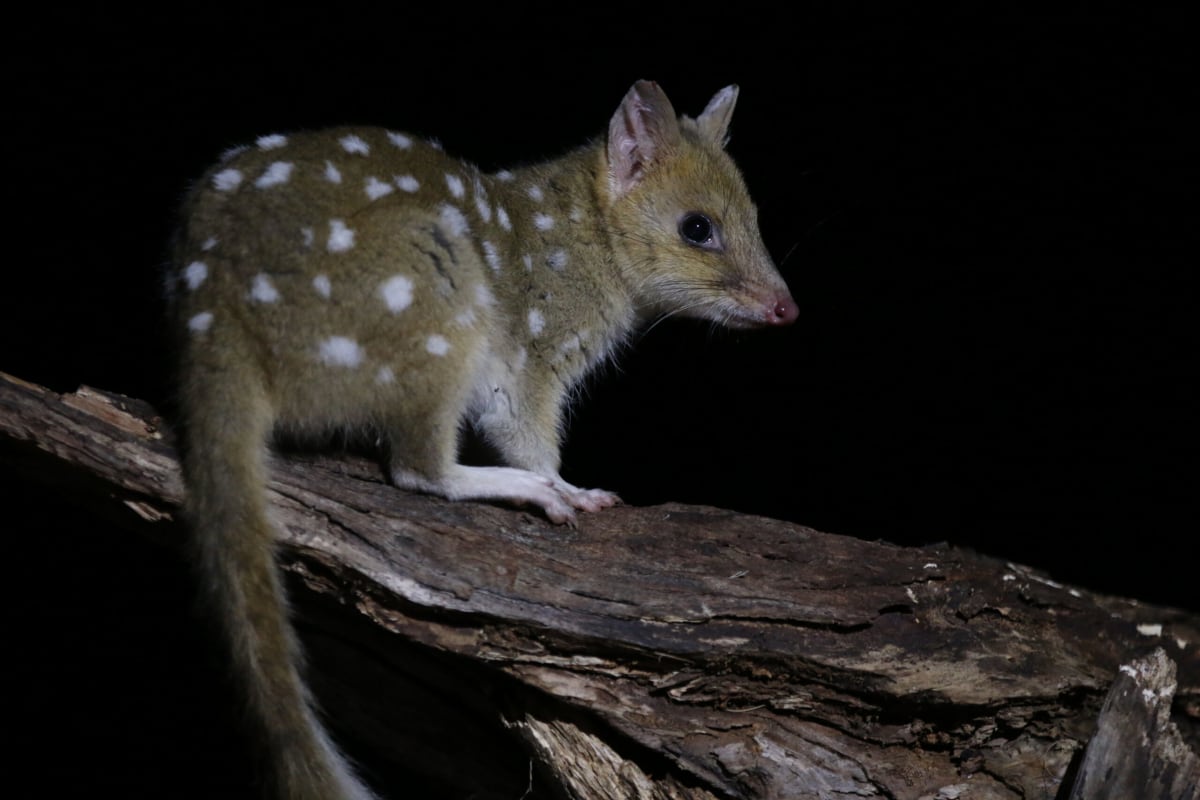
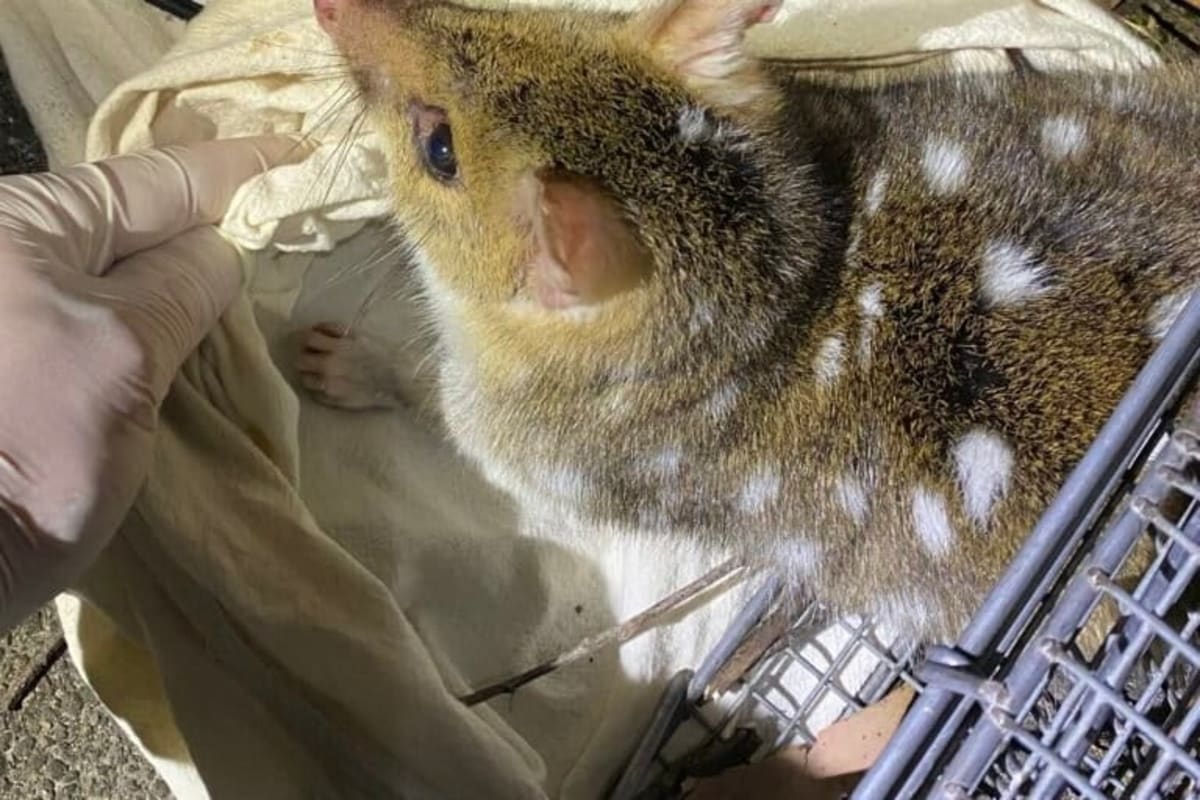
The eastern quoll is a small, ferret-faced marsupial covered in white spots that once roamed Australia's eastern coast in such numbers they were called "plague abundant" in the 1800s. Farmers even kept them as pets because they hunted rodents so effectively.
But by the 1960s, foxes, cats, habitat loss and disease wiped them out on the mainland. Today, these nocturnal creatures survive only in Tasmania, where fox-free landscapes gave them a fighting chance.
Now conservation teams are working to boost their numbers through rewilding programs. David Hamilton, a conservation ecologist at the Tasmanian Land Conservancy, leads efforts to release captive-bred quolls into protected areas where they can safely breed with wild populations.
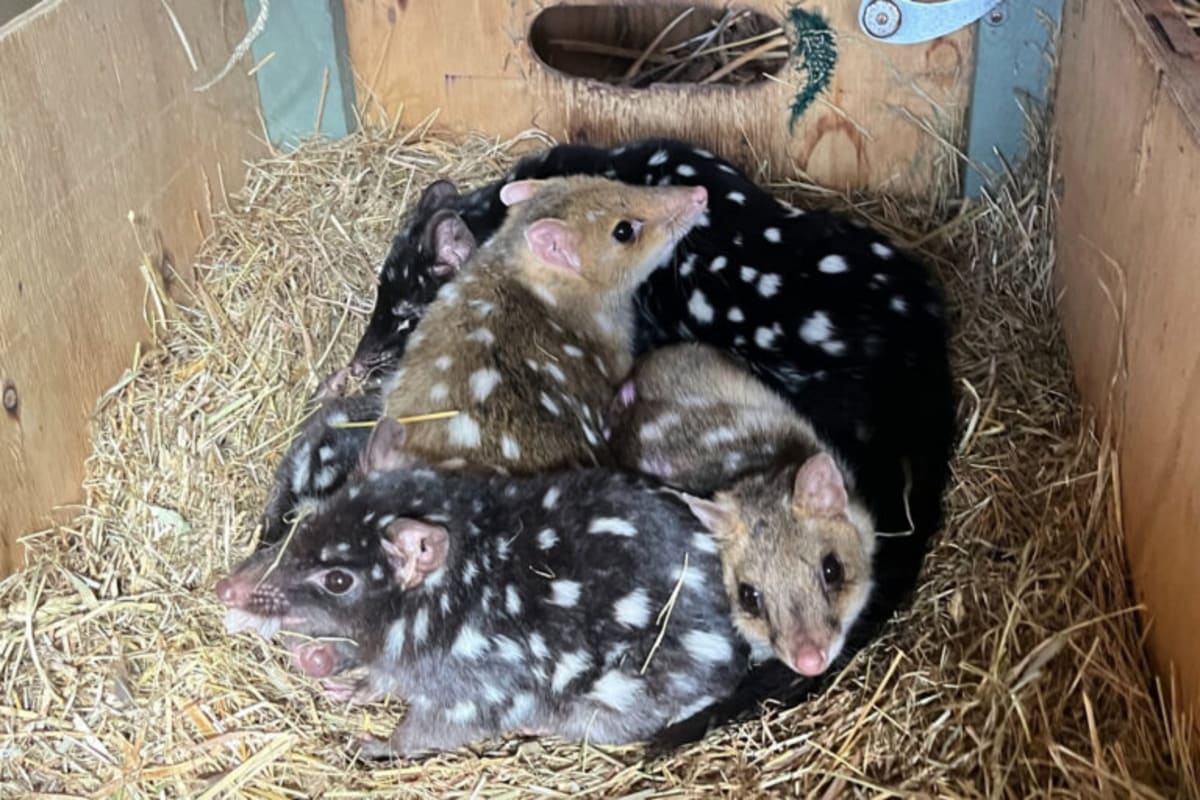
The project hit a breakthrough when genetic testing confirmed that captive-bred quolls released in Tasmania are successfully interbreeding with wild quolls. New joeys born in the wild carry genes from both populations, proving the conservation strategy works.
The team released 20 adult quolls into Silver Plains, a 16,000-acre conservation property, in 2020. While those adults didn't immediately breed, later releases showed better results as scientists learned which methods work best.
Tasmania's wild quoll population faces ongoing challenges, especially from cat predation. Rob Brewster from the Invasive Species Council points out that cats remain a major threat to quoll survival, even in fox-free Tasmania.
The population dropped sharply around 2000 and again in 2009, with numbers estimated between 10,000 and 12,000 mature individuals. Some areas recovered well while others continued declining, leaving scientists puzzled about the inconsistent patterns.
Why This Inspires
This conservation win shows that species once thought lost forever can bounce back with dedicated effort. The collaboration between universities, zoos, sanctuaries and conservation groups demonstrates how teamwork creates real solutions for endangered wildlife.
Future plans include scaling up releases into predator-proof reserves on the mainland, potentially restoring quolls to landscapes they haven't roamed in 60 years. Each new joey born represents another step toward bringing these spotted marsupials back from the brink.
The eastern quoll's journey from near extinction to hopeful recovery proves that conservation works when we commit to protecting vulnerable species.
More Images

Based on reporting by Mongabay
This story was written by BrightWire based on verified news reports.
Spread the positivity!
Share this good news with someone who needs it