Energy Storage Hits 112 GW Milestone in Record Growth Year
The world installed enough battery storage in 2025 to power millions of homes, marking a milestone that took solar and wind far longer to achieve. Energy storage is now growing faster than any other clean energy technology in history.
Battery storage just crossed a threshold that signals a massive shift in how the world powers itself.
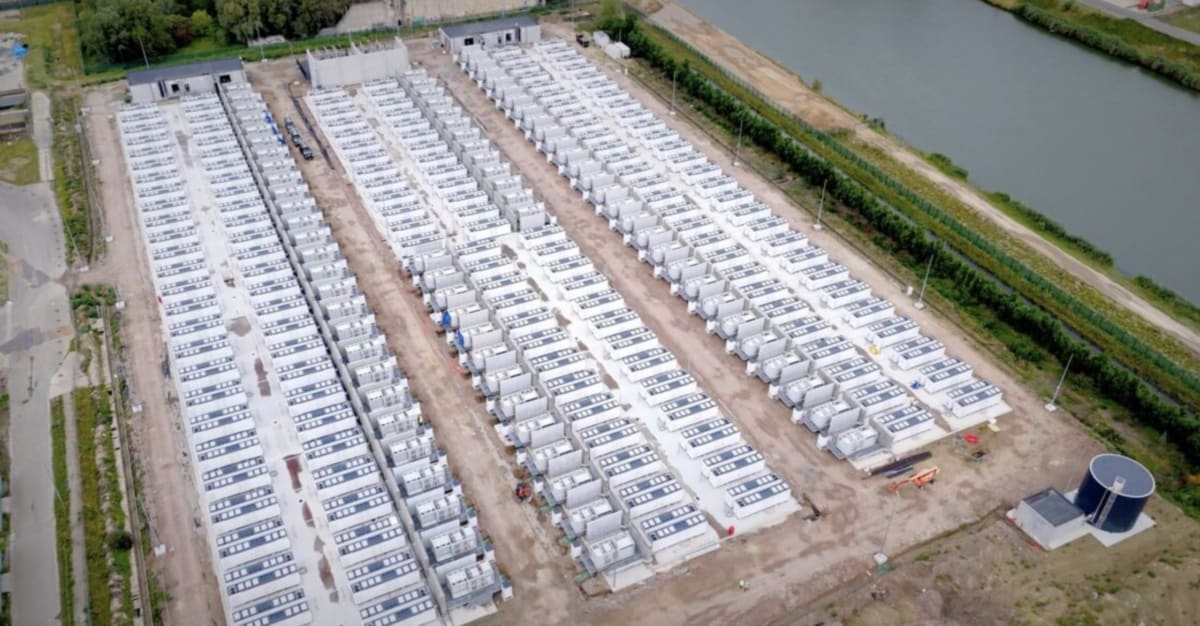
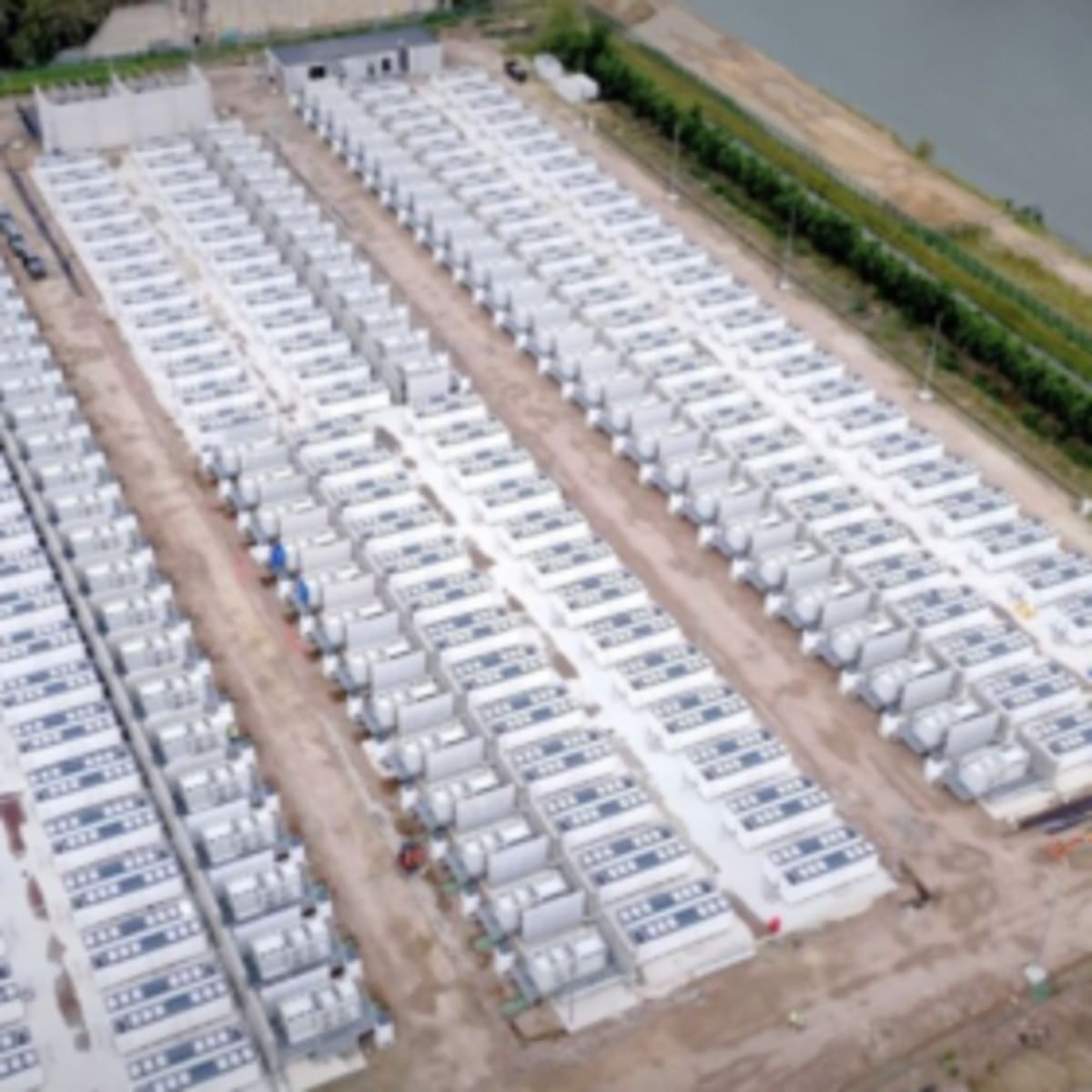
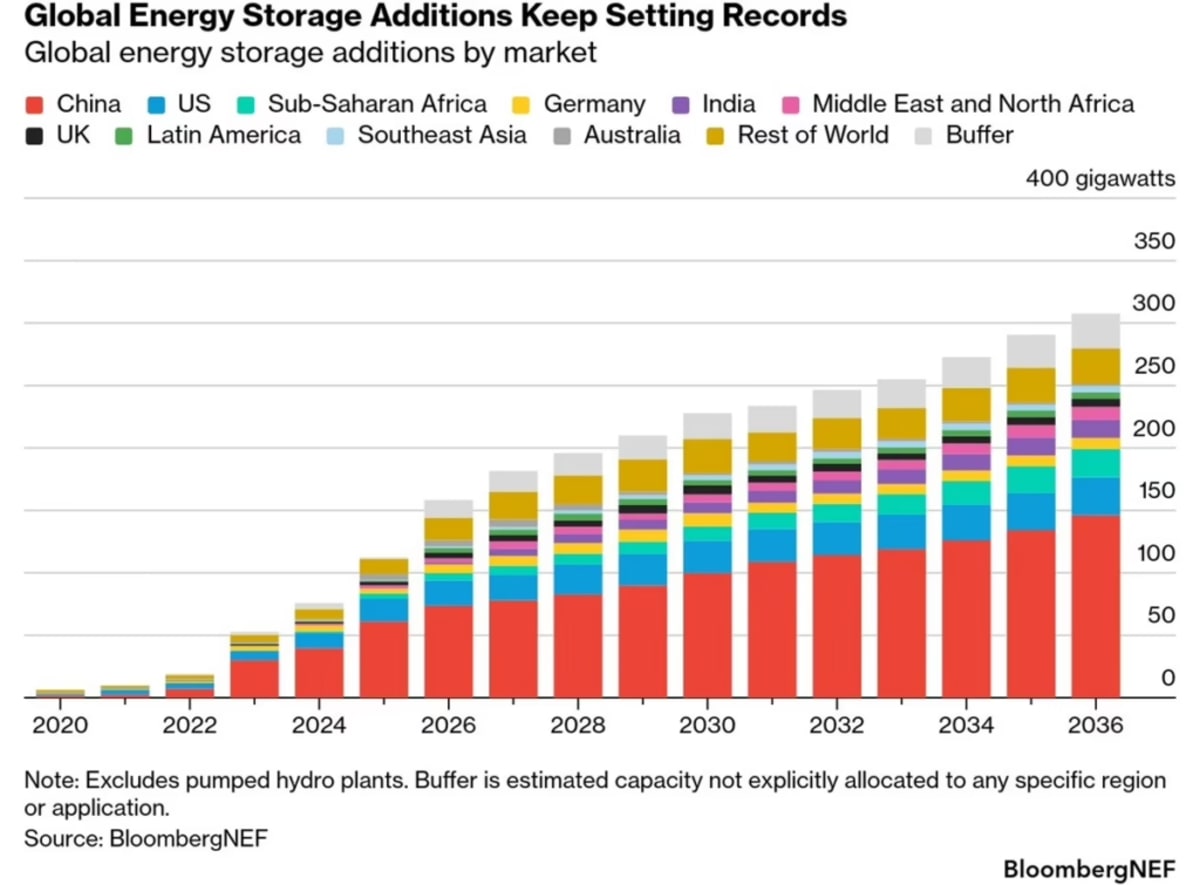
Global energy storage installations hit 112 gigawatts in 2025, smashing through the 100 GW mark for the first time. That's a 48% jump from 2024, and it represents enough battery capacity to store electricity for tens of millions of homes.
The milestone matters because it happened faster than anyone expected. Energy storage took just four years to grow from 10 GW to over 100 GW of annual installations. Solar took eight years to make that same leap, and wind needed 15 years.
BloombergNEF, the research firm tracking these numbers, confirmed that worldwide battery capacity now totals 2.9 terawatts. That doesn't even include traditional pumped hydro storage.
The growth isn't slowing down either. Analysts predict 2026 will see another 41% increase, bringing total installations to 158 GW. By 2036, the world could be installing 306 GW annually, with total capacity reaching 10 times current levels.
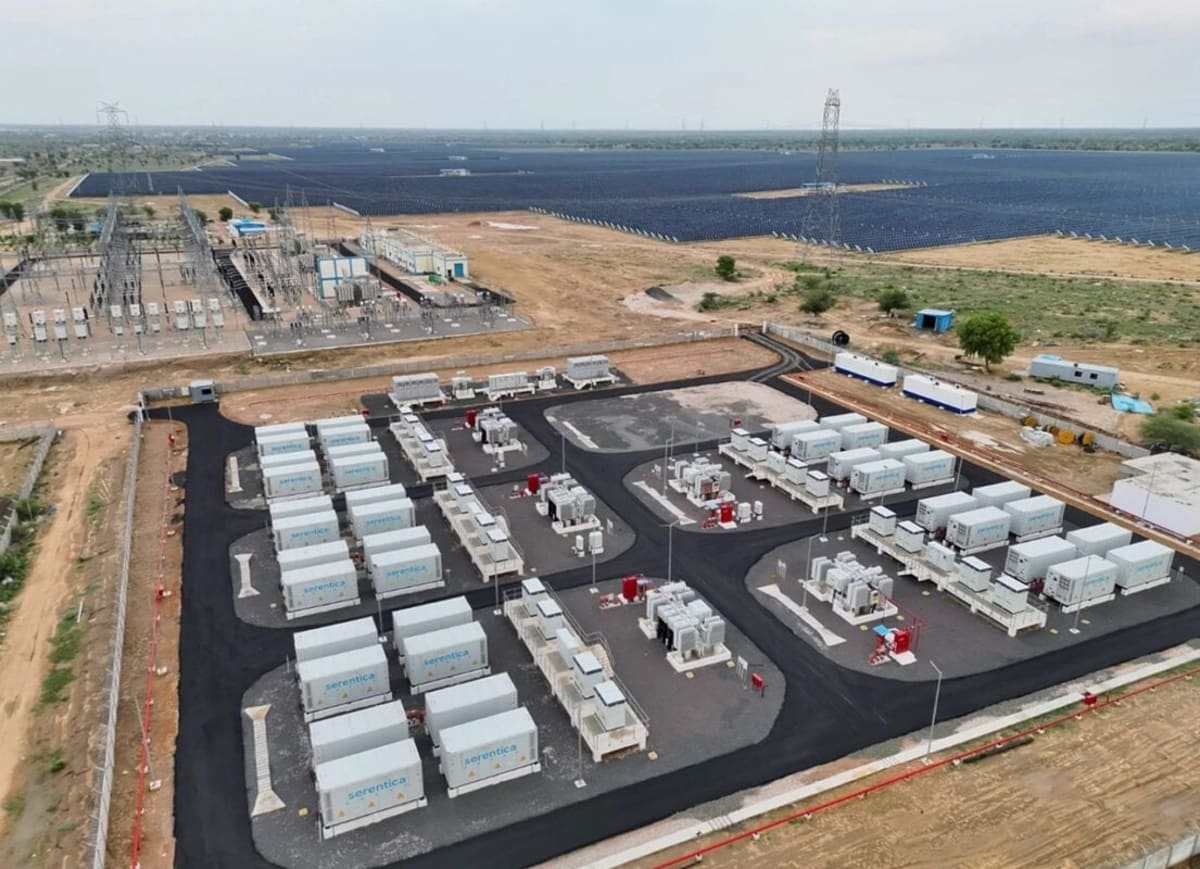
China leads the charge, accounting for 54% of new installations in 2025. The United States follows at 16%. Most of these batteries are utility-scale projects that store excess renewable energy during sunny or windy periods, then release it when demand peaks.
The technology is also catching up to solar surprisingly fast. The ratio of solar to storage installations was 56 to 1 in 2016. By 2025, that gap narrowed to just 6 to 1, and it could hit 4 to 1 in 2026.
The Ripple Effect
This surge in battery storage solves one of renewable energy's biggest challenges: the sun doesn't always shine and the wind doesn't always blow. With massive battery systems now affordable and widespread, utilities can store clean energy and dispatch it exactly when people need it.
That means fewer fossil fuel backup plants running during peak hours. It means more reliable grids that can handle higher percentages of renewable energy. And it means communities can keep the lights on during emergencies without burning coal or gas.
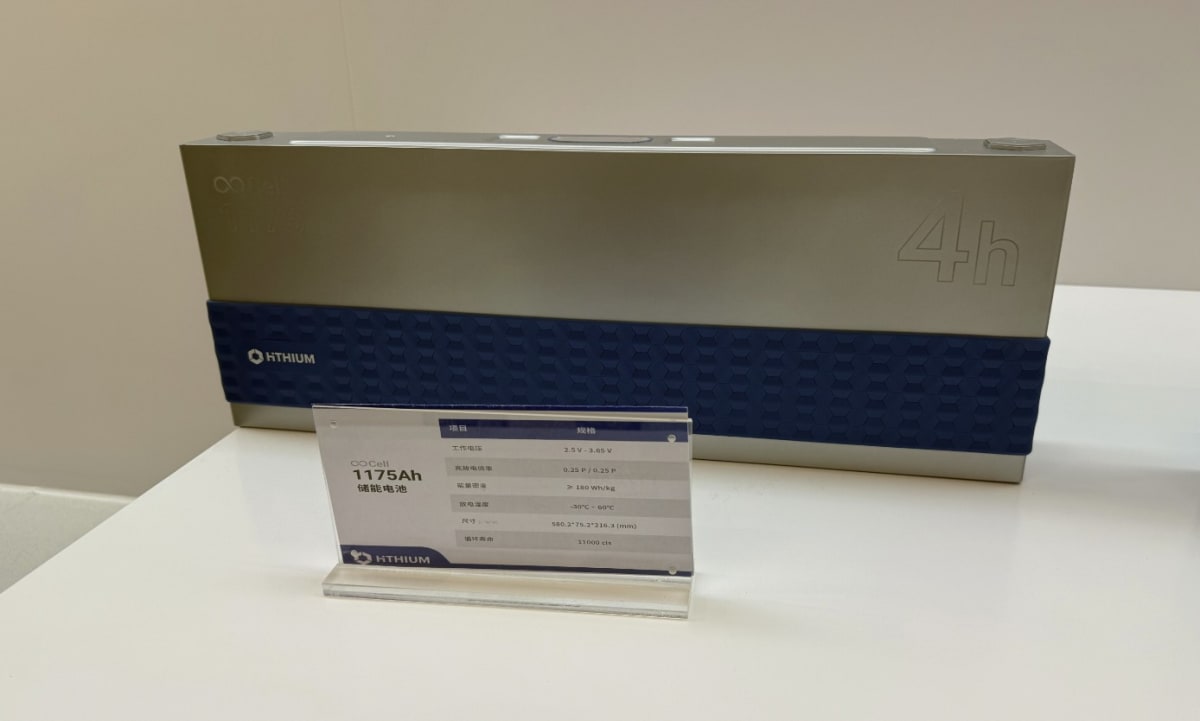
The battery chemistry is evolving too. While lithium iron phosphate cells dominate today at 90% of installations, longer-duration storage systems are quadrupling. Sodium-ion batteries are also entering the market with major supply agreements already signed.
The speed of this transformation shows what's possible when technology, policy, and market forces align around clean energy solutions that actually work.
More Images


Based on reporting by PV Magazine
This story was written by BrightWire based on verified news reports.
Spread the positivity!
Share this good news with someone who needs it