Engineer Grows 1 Million Native Plants for Butterflies
A Silicon Valley engineer left his tech career to solve a problem he noticed as a child: disappearing insects. Now his foundation grows 1 million native saplings yearly to bring butterflies back.
Sohail Madan remembers a childhood ritual that has nearly vanished. Every gas station stop meant cleaning insects off car windshields because there were so many.
That memory haunted him even as he built a successful engineering career in Silicon Valley. But sitting behind a computer screen didn't feel right, and a visit to a self-sustaining farm in Santa Cruz changed everything.
"I remember working around the chicken coop and realising how much I enjoyed being outdoors, getting my hands into the work and being close to nature," he says. Watching children explore the farm, fascinated by mud and insects and plants, made his decision clear.
He walked away from coding in 2010 to join the Bombay Natural History Society, spending 13 years on conservation projects. In April 2023, he founded WildTales Foundation with a specific mission: bringing native plants back to restore disappearing butterfly populations.
The problem was immediate. Nurseries favored ornamental plants over native species, making it nearly impossible to find the plants butterflies actually need. So Sohail and his team built their own native plant nursery, now producing nearly 1 million saplings each year.
The Common Mormon butterfly shows why this matters. Its caterpillars feed exclusively on curry leaf plants, and if those plants disappear from an area, the butterfly can't simply switch to an ornamental substitute. It vanishes.
This insight led to the Delhi Butterfly Corridor Project, where schools, parks, hospitals, housing societies, and homes grow native plants. These create stepping stones that help butterflies move across the city, rebuilding pathways that urban development destroyed.
The Ripple Effect
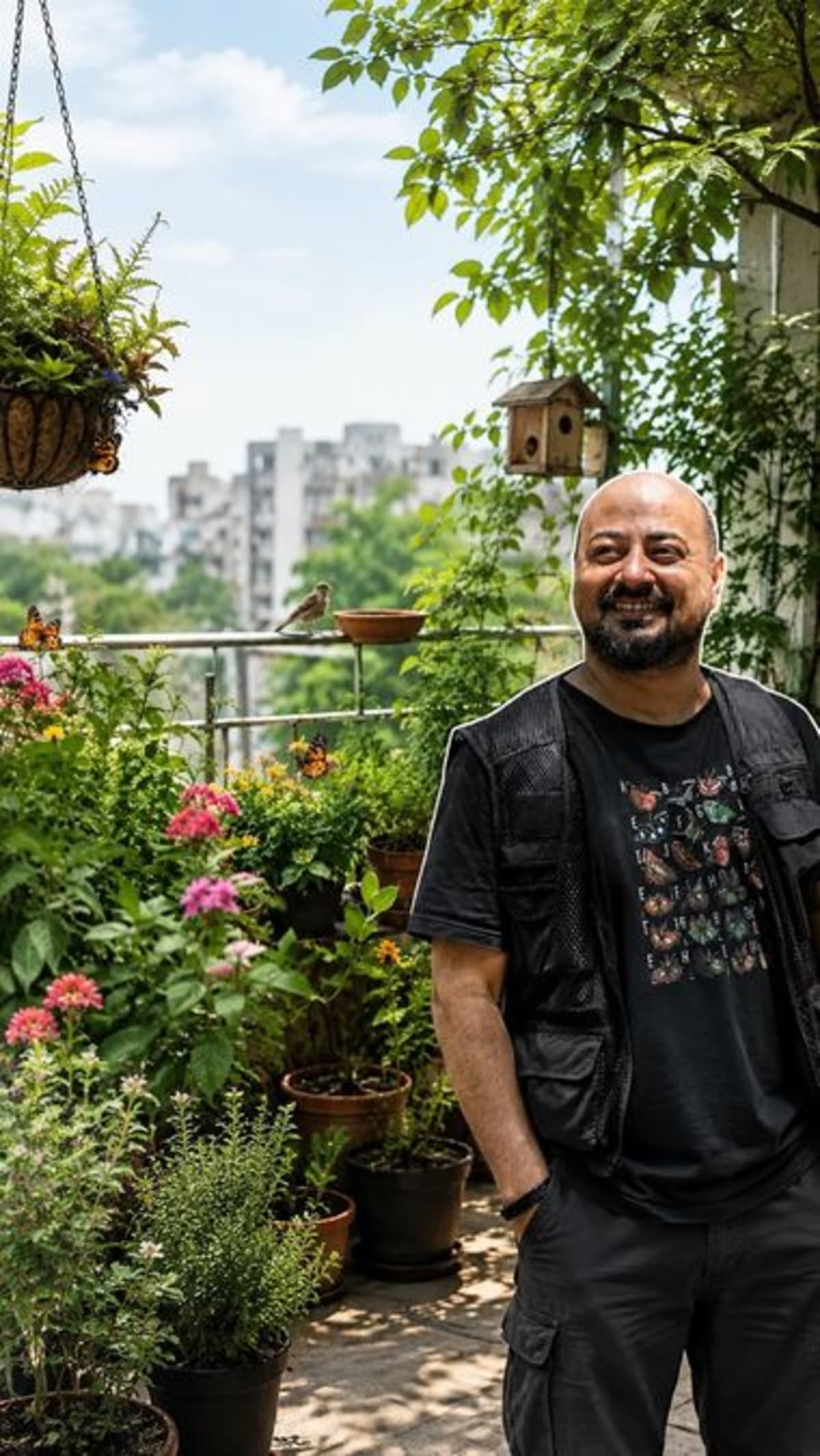
You don't need acres of land to join this movement. Sohail suggests skipping chemical pesticides, growing native plants, keeping water available year round, planting for birds, and letting some corners stay wild and untidy.
"The healthiest gardens aren't always the neatest," he says. Fallen leaves, wild grasses, and natural growth shelter insects and improve soil, creating mini ecosystems right outside your door.
His advice extends beyond the ecological. "If you're creating a butterfly garden, make space for yourself in it too. Put a chair there. Have your morning tea there." The more we notice nature, the more connected we become to protecting it.
From cleaning windshields covered in insects to growing a million plants to bring them back, one engineer proved that noticing what we've lost is the first step to restoration.
Based on reporting by The Better India
This story was written by BrightWire based on verified news reports.
Spread the positivity!
Share this good news with someone who needs it