Engineer Leaves $300K Meta Job to Build Privacy-First AI
Prakshal Jain walked away from a $300,000 salary at Meta to create AI agents that could replace apps entirely. His startup already cut his own screen time by 78% in three weeks.
Sometimes the best career move is leaving a dream job to chase something even bigger.
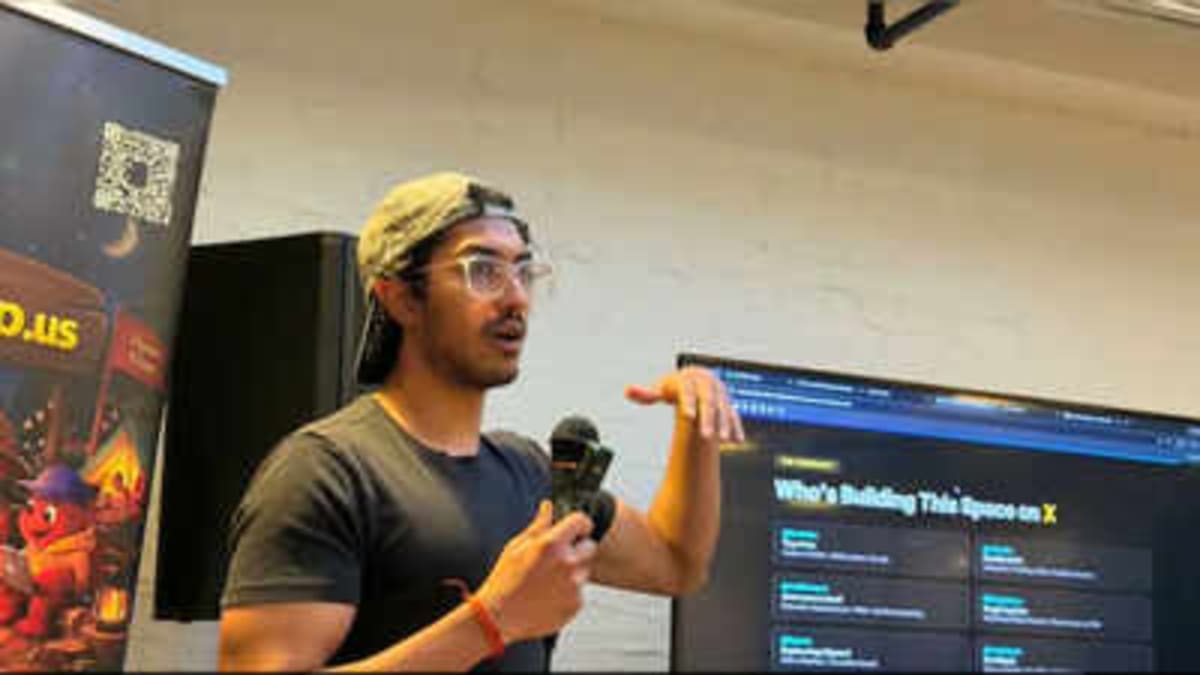
Prakshal Jain spent 3.5 years as a frontend engineer at Meta, earning $300,000 annually and helping launch Facebook and Instagram on Meta Quest. But the Indian-origin software engineer noticed something interesting about his own behavior: he had stopped opening apps and websites, instead asking AI assistants like ChatGPT to handle tasks for him.
That observation sparked an idea big enough to make him quit. Jain realized the future of technology wasn't better apps but no apps at all.
He founded Mitosis Labs with the belief that AI agents could handle everyday digital tasks like filing taxes and filling out forms without requiring people to navigate complex dashboards and repetitive workflows. His motto captures it perfectly: "The best UX is no UI."
To test his theory, Jain built a personal AI agent trained on his own digital data. The results surprised even him: his iPhone screen time dropped 78% within three weeks.
The Ripple Effect
Jain's vision goes beyond just convenience. He wants to free people from what he calls "dead-end work" while keeping user privacy and data control at the center of everything Mitosis builds.
Together with co-founder Alex Morris, he has already developed three products after seven months of work in stealth mode. The startup is now preparing to showcase its technology publicly.
Jain's journey to entrepreneurship wasn't simple. He transferred from an F1 student visa to an O1 visa for individuals with extraordinary ability, allowing him to build his company in the United States. Before Mitosis, he founded two other ventures: Chimaera Auto Inc., a continuity browser, and ClawBody, a life and business automation tool.
His educational background from the University at Buffalo in Computer Science prepared him well, but it was his decade of building user experiences that gave him the insight to imagine a world where those interfaces might become unnecessary.
Jain's bet is bold: that AI can transform how humans interact with technology from sitting in front of screens all day to simply asking for what we need. If he's right, the apps we've grown dependent on might soon feel as outdated as dial-up internet.
More Images



Based on reporting by Times of India - Good News
This story was written by BrightWire based on verified news reports.
Spread the positivity!
Share this good news with someone who needs it