Engineering Triumph: Malaysia's 5.2-Mile Bridge Turns 41
Engineers conquered impossible ground conditions to build the Penang Bridge, connecting Malaysia's mainland to an island across 5.2 miles of water. Their creative solution to building on a foundation of crushed shells changed bridge construction in the region forever.
Forty-one years ago today, Malaysia opened a bridge that engineers said might be impossible to build.
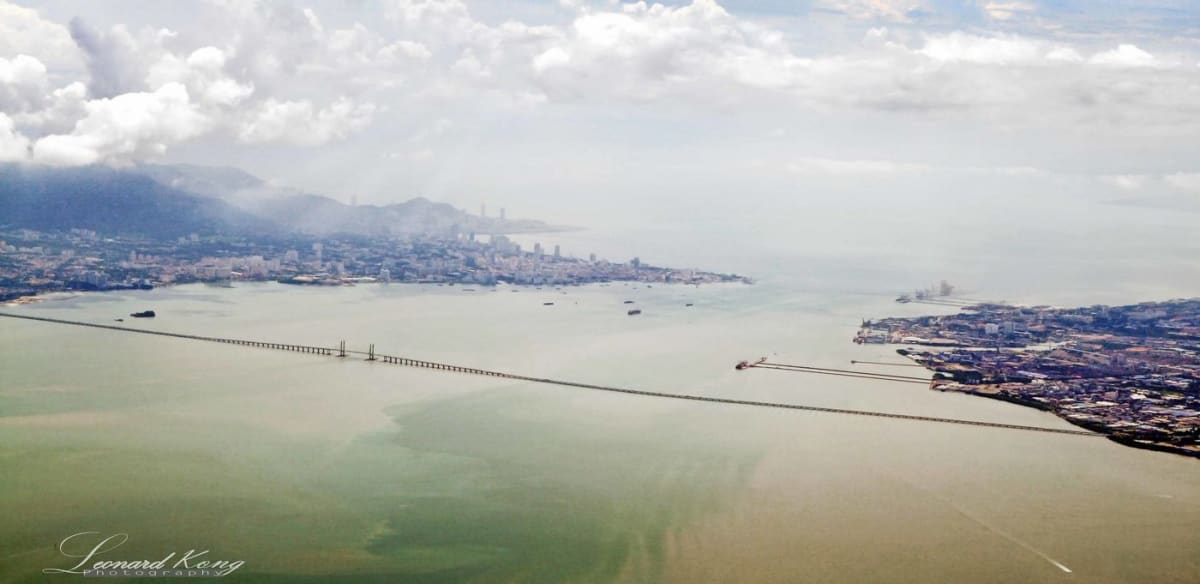
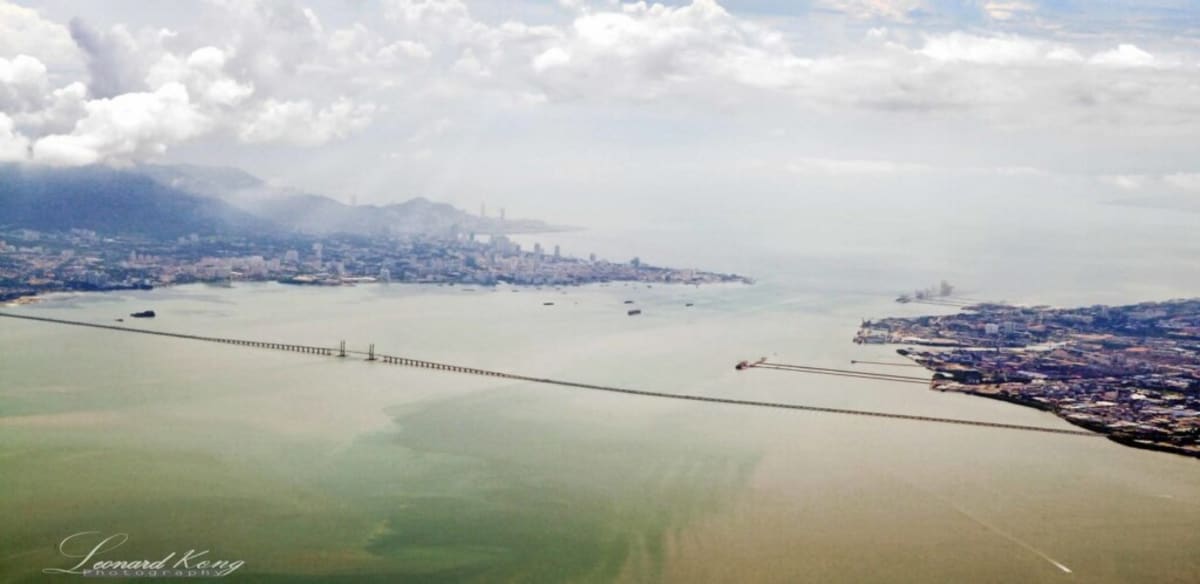
The Penang Bridge stretches 5.2 miles across the Penang Strait, linking the Malaysian Peninsula with the island of Penang. It stands as the nation's second-longest bridge over water, a testament to human creativity when faced with seemingly insurmountable challenges.
The construction team hit a massive problem almost immediately. The seafloor wasn't solid rock or even stable sand but a thick layer of crushed mollusk shells mixed with soft clay, common in coastal waters.
Every time workers drove support piles into the ground, they sank too deep into the unstable foundation. The bridge posts couldn't hold in ground that felt more like pudding than bedrock.
Engineers came up with a bold solution. They trucked in enormous amounts of material excavated from the bridge's land connections and road construction sites. Workers laid this material over the shell layer and compacted it again and again, creating artificial stable ground where nature hadn't provided it.
The cable-stayed suspension design, similar to San Francisco's Golden Gate Bridge, helped distribute weight more effectively than other bridge styles. This choice proved crucial given the challenging ground conditions.
The Ripple Effect
The lessons learned from this first Penang Bridge shaped infrastructure development across the region. When engineers built the second Penang Bridge to the south decades later, they applied the knowledge gained from conquering those mollusk shells.
The newer bridge includes expansion joints that allow the structure to move safely during earthquakes, an innovation inspired by understanding how to build on unstable coastal foundations. The techniques developed here have influenced bridge construction in similar coastal environments worldwide.
Today, thousands of vehicles cross the Penang Bridge daily, traveling over what was once considered unbuildable ground. The bridge cut travel time between the island and mainland dramatically, boosting economic development and connecting families.
The project proved that engineering challenges that seem impossible often just need creative thinking and determined problem-solving.
More Images


Based on reporting by Good News Network
This story was written by BrightWire based on verified news reports.
Spread the positivity!
Share this good news with someone who needs it