Engineers Find Hope in Saving Our Cities From Climate Change
While climate change threatens aging buildings worldwide, engineers are proving we don't need to tear everything down. Smart retrofits and future-focused maintenance can protect our cities for the next 50 years.
Our cities are entering middle age under environmental conditions they were never designed to face, but engineers are discovering that smart upgrades can save them.
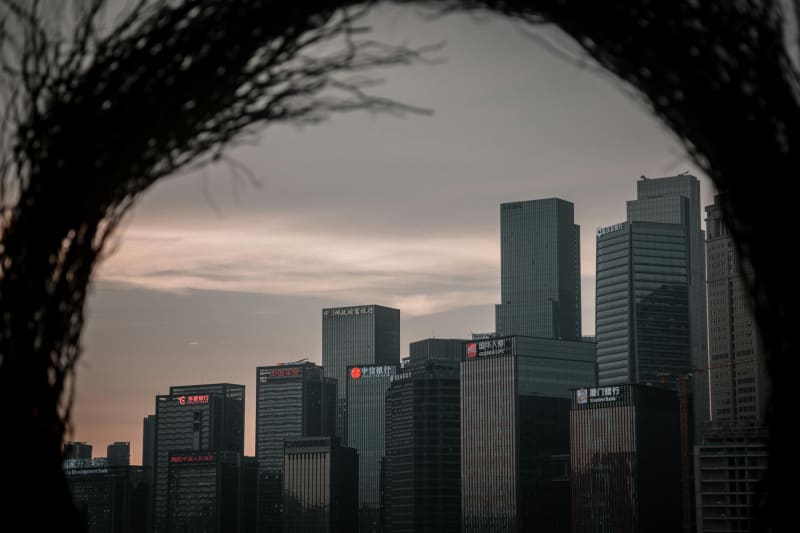
Most iconic skyscrapers were built in the 1970s and 80s when the world was cooler and storms more predictable. Today, these buildings face rising seas, stronger winds, and more intense weather than their original blueprints anticipated.
The wake-up call came from unexpected places. In Alexandria, Egypt, rising saltwater isn't just threatening coastlines; it's seeping underground and changing the chemistry of soil beneath building foundations. What engineers discovered there is now helping protect buildings in coastal cities worldwide.
Mohamed Shaheen, a structural engineer studying global hotspots, found that climate change acts like a detective, finding tiny cracks and aging foundations that need attention. Rather than causing immediate collapse, it reveals where buildings need care before small problems become dangerous.
The good news is that engineers now know exactly where to focus their efforts. Glass facades, underground drainage, foundation supports, and corrosion protection are the critical weak points that can be strengthened.
In Hong Kong, cities learned from Super Typhoon Mangkhut in 2018 to better secure windows and manage wind pressure between buildings. Japan is using supercomputer simulations to redesign flood defenses for future storm patterns, not just past ones.
Why This Inspires
What makes this hopeful is the shift in thinking. Engineers are treating building maintenance as a form of climate resilience, not an optional expense. Regular structural monitoring using sensors can now track invisible stresses before they become fatal, giving cities time to act.
New safety standards are being written that look forward at climate models instead of backward at historical weather data. This future-focused approach means buildings can be upgraded strategically, protecting the most vulnerable parts first.
The solution isn't starting from scratch. Midlife building upgrades, targeted retrofits, and smarter monitoring systems can extend the life of existing structures for another 50 years while keeping people safe.
Cities worldwide are proving that adaptation works better than panic. By treating our aging buildings with the same care we'd give a loved one entering their later years, we're building climate resilience into the skylines we already have.
The engineering community is rallying around a clear message: our margins of safety are shrinking, but we have the tools and knowledge to restore them. All it takes is treating maintenance as the lifesaving work it truly is.
More Images


Based on reporting by Phys.org - Technology
This story was written by BrightWire based on verified news reports.
Spread the positivity!
Share this good news with someone who needs it