Engineers Save Romania's Nuclear Plant From Drought Shutdown
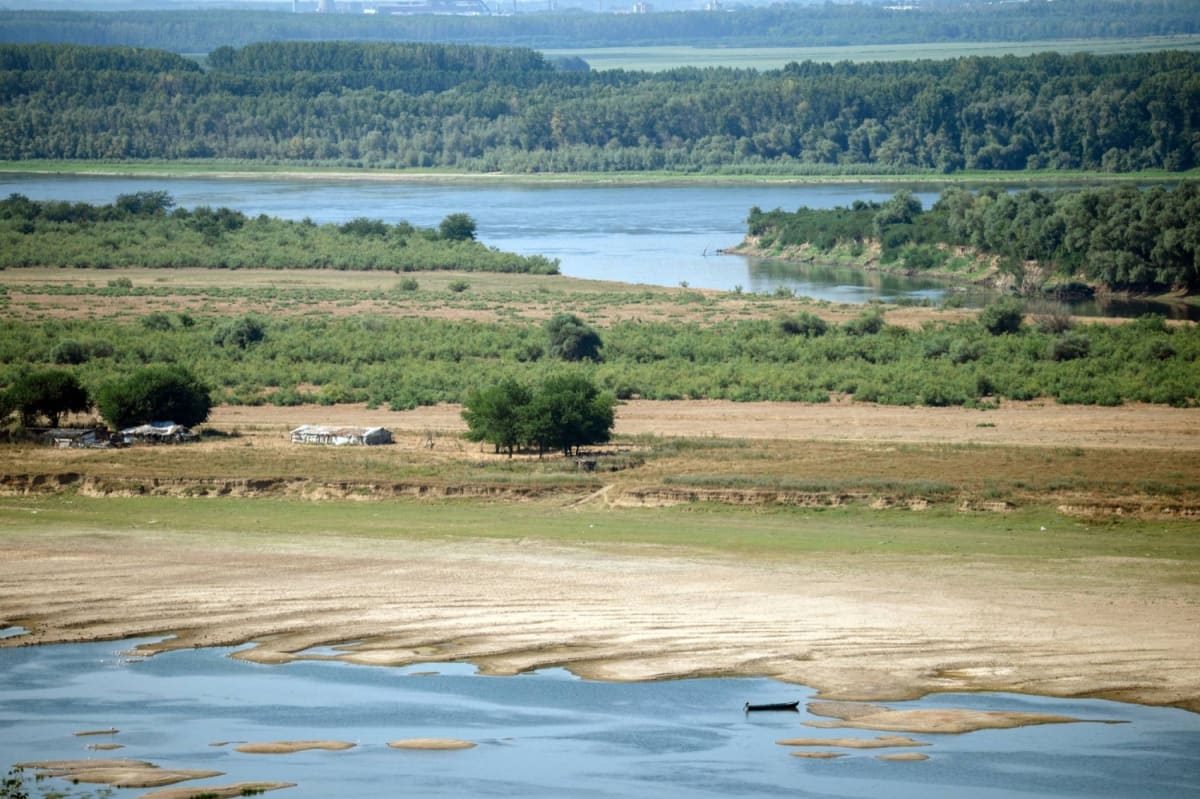
When the Danube River hit record lows, Romanian engineers blasted rock formations and sank barges to raise water levels by just 10 centimeters. Those precious inches kept the Cernavoda nuclear plant running and prevented massive power outages across the region.
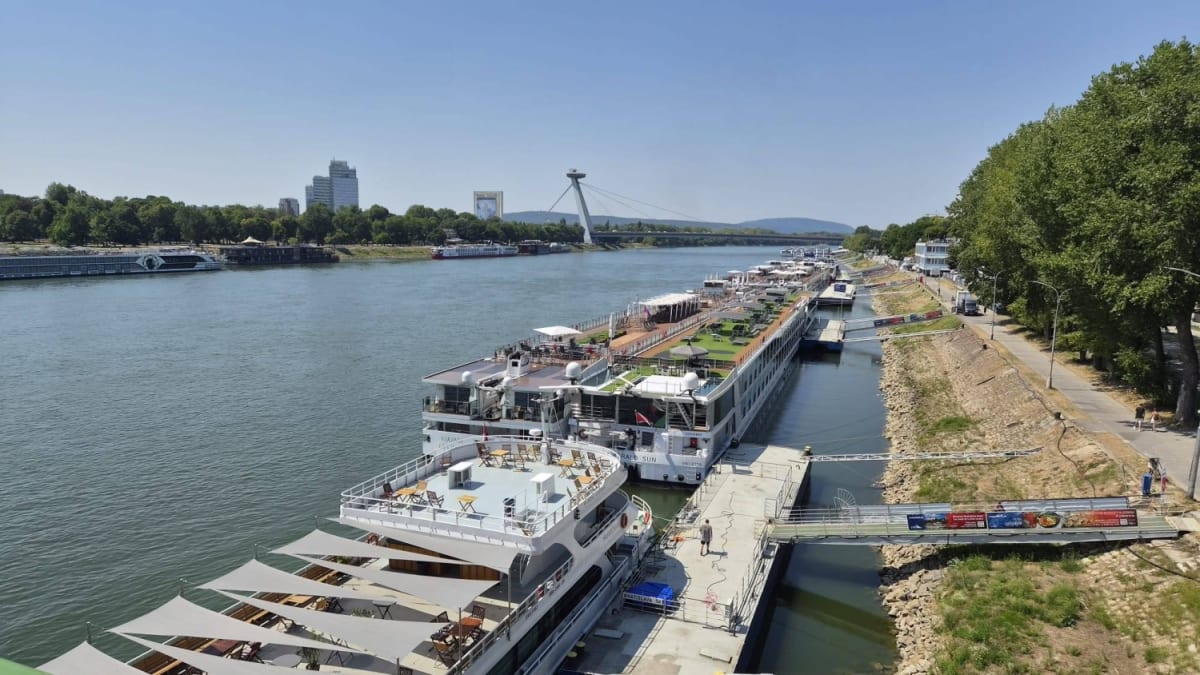
A few centimeters of water shouldn't make the difference between keeping the lights on and plunging a country into darkness. But on the Danube River this summer, every inch counted.
As Europe's second-longest waterway shrank to record lows, Romanian engineers launched an emergency mission to save the Cernavoda nuclear power plant from its first-ever shutdown. Their solution was as bold as it was precise: blast underwater rock formations with 400 pounds of explosives, then sink loaded barges to push water downstream toward the plant's cooling systems.
The operation worked. Those carefully calculated interventions raised the river level by the critical 10 centimeters needed to keep the reactors running and electricity flowing to millions of homes.
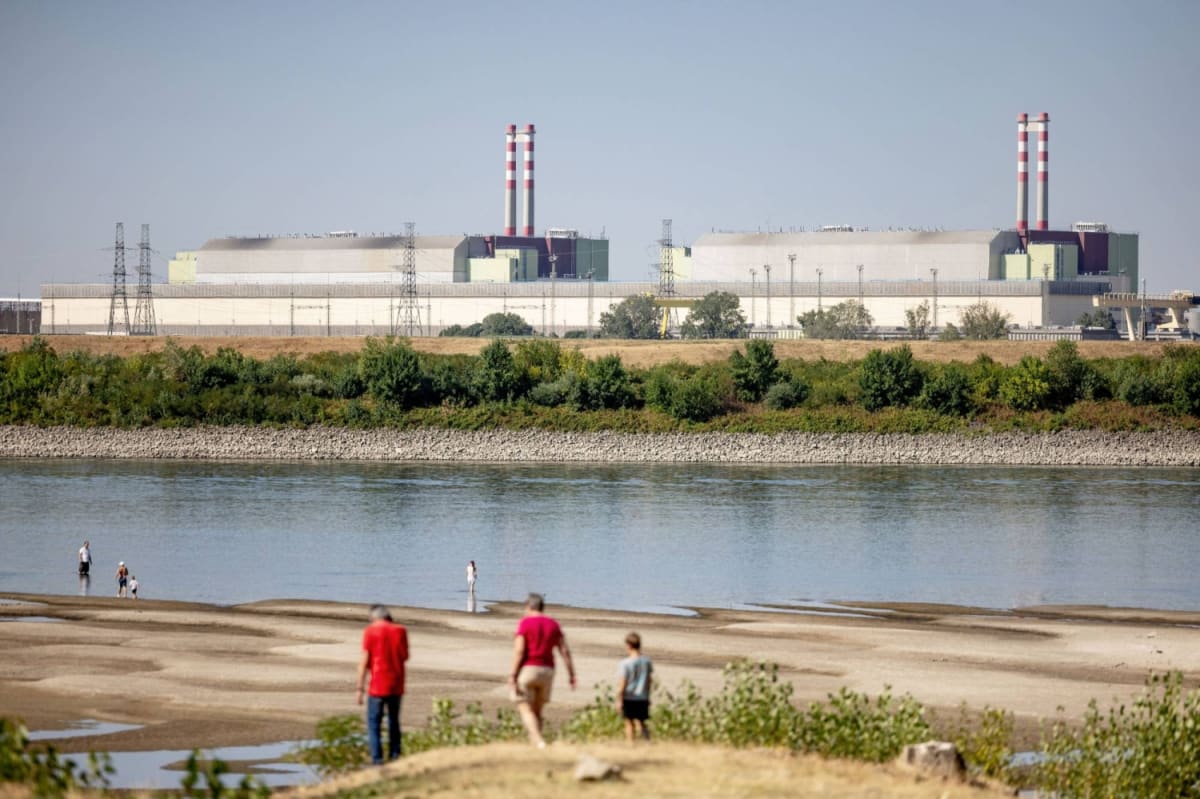
Upriver in Hungary, the drama played out in real time. Engineers at the Paks nuclear plant watched water levels drop millimeter by millimeter in their control room. The chief engineer's hand hovered over the switch that would shut down the last operating turbine of a facility that normally supplies 40% of Hungary's electricity.
Then the Danube rose by 5 centimeters. That narrow margin meant the plant could stay operational, hot water would keep flowing to the town of Paks, and restarting the facility once water levels recover would be far simpler than bringing it back from a complete shutdown.
The Bright Side
The crisis revealed something unexpected: communities and industries across the Danube Basin pulled together. Hungarian carmakers and battery plants volunteered to cut back their power consumption to ease pressure on the grid. Romanian automotive companies followed suit across the border.
Governments asked citizens to conserve water, and people responded. Budapest turned off decorative lighting on state buildings and delayed parliament sessions to save energy. These small acts of collective responsibility bought time for the engineering solutions to take effect.
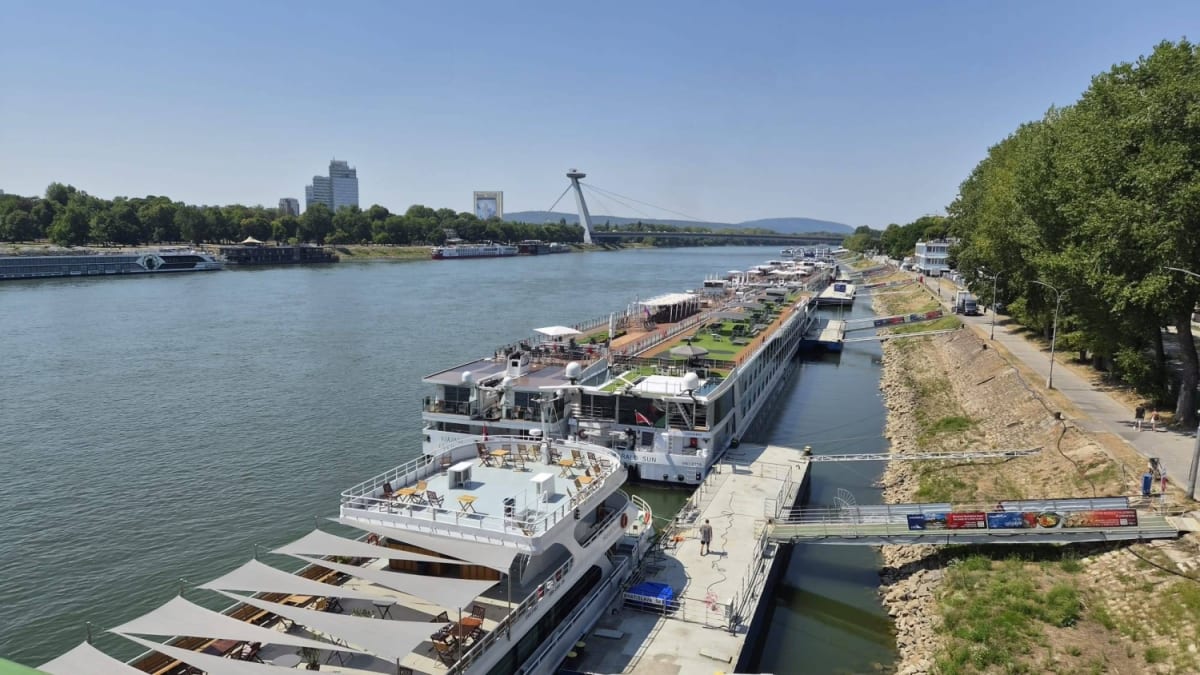
The Danube serves 10 countries and provides drinking water to 10 million people. Four national capitals sit on its banks. When the river faces unprecedented challenges, the region's ability to coordinate rapid responses across borders shows how crisis can spark cooperation.
Engineers are already planning permanent solutions to prevent future emergencies. Hungary is redesigning pump inlets to draw water from deeper levels. Romania is investing in long-term infrastructure improvements that won't require last-minute heroics.
Rain will eventually return to Central Europe, and the Danube will rise again. Until then, the ingenuity and quick thinking that saved these power plants are keeping the lights on for millions.
More Images
Based on reporting by Japan Times
This story was written by BrightWire based on verified news reports.
Spread the positivity!
Share this good news with someone who needs it