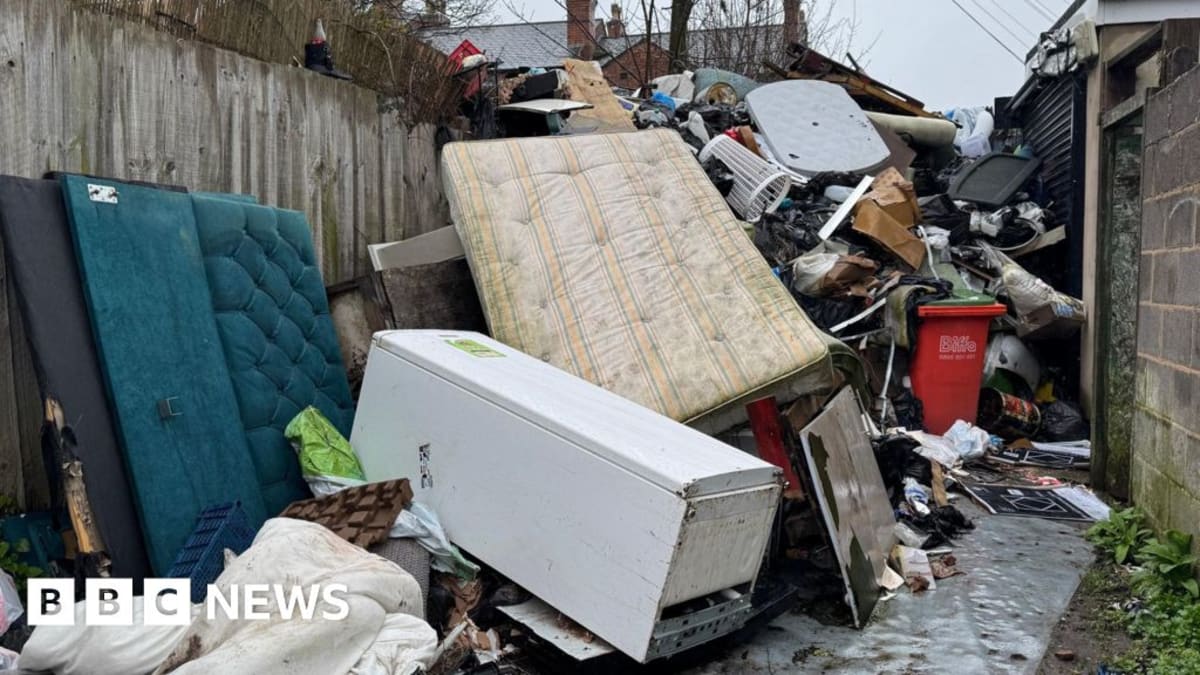
England Cracks Down on Illegal Dumping with New Powers
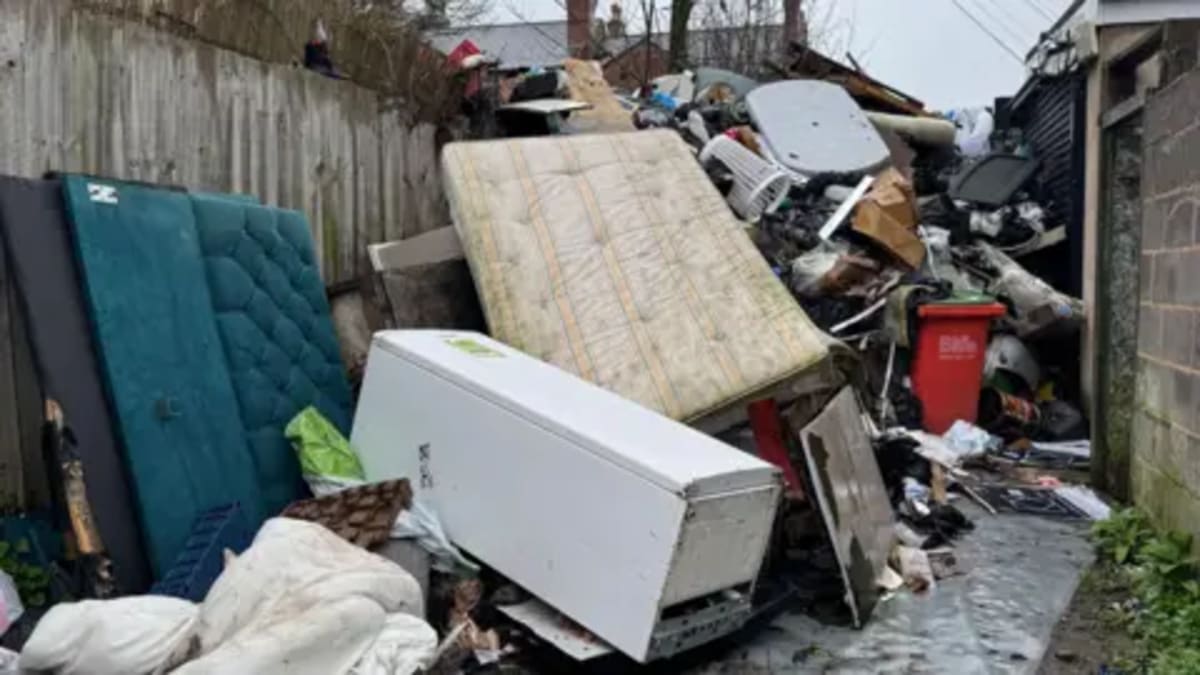
Fly tippers in England will soon have to clean up their own messes and pay fines without going to court. The new enforcement powers come as illegal waste sites doubled in just one year.
England is taking a bold new approach to stopping illegal dumping: make the offenders clean it up themselves.
Under new proposals announced Wednesday, local councils will gain the power to issue on-the-spot punishments to fly tippers. Offenders could face up to 20 hours of community service cleaning streets and parks where they dumped waste, plus fines of up to £300.
"If you dump rubbish on our streets, you will be joining a clean-up squad and picking up the bill, not the taxpayer," said Environment Secretary Emma Reynolds. The change means councils can enforce consequences immediately without lengthy court proceedings.
The timing couldn't be more urgent. The Environment Agency discovered 749 new illegal waste sites in 2024-2025, double the previous year. Some "super sites" contain tens of thousands of tonnes of rubbish, with one Gloucestershire location reportedly receiving up to 50 vehicles daily at its peak.
The government is also considering penalty points on drivers' licenses for fly tipping offenses. The Environment Agency may gain police-style powers to search premises without warrants and arrest suspects.
The Bright Side
These new tools address a problem that costs England's economy roughly £1 billion annually. Councils currently handle 1.26 million fly tipping incidents each year, with 62% involving household waste.
The government doubled the Environment Agency's Joint Unit for Waste Crime budget to £15.6 million this year to increase arrests. Local authorities will be consulted before the changes take effect to ensure they have proper resources for enforcement.
Mary Creagh, the nature minister, explained the new powers will tackle smaller illegal dumps while the Environment Agency handles sites exceeding 20,000 tonnes. The approach targets both casual offenders and organized crime rings that have plagued rural areas.
The National Farmers' Union cautiously welcomed the initiative, though they noted only 1 in 1,000 fly tipping incidents currently result in prosecution. Arooj Shah of the Local Government Association emphasized that councils need adequate resources and stronger court fines to make the system work.
Communities tired of seeing countryside and neighborhoods turned into illegal dumps finally have reason for optimism as England gets serious about holding polluters accountable.
More Images
Based on reporting by BBC Science
This story was written by BrightWire based on verified news reports.
Spread the positivity!
Share this good news with someone who needs it