England Farmers Revive Ancient Hedge Craft to Fight Climate
Over 2,500 English farmers applied for grants to restore 800 miles of mature hedgerows using a centuries-old technique that captures more carbon than forests. The ancient craft of hedge laying, nearly lost after World War II, is making a dramatic comeback as farmers rediscover its power to fight flooding, support wildlife, and cool the planet.
An ancient farming technique once thought lost to history is experiencing an unexpected renaissance across England, and it might just be one of our best weapons against climate change.
Hedge laying, a centuries-old craft that peaked in the 1700s and 1800s, has become the fourth most popular grant category among English farmers this year. If approved, 2,500 farmers will restore 800 miles of mature hedgerows using traditional hand tools and techniques their great-grandparents knew well.
The process sounds simple but requires real skill. Farmers cut through hedge stems almost completely, then lay them at an angle to the ground. This invigorates growth where they've been cut, filling gaps and breathing new life into aging hedges.
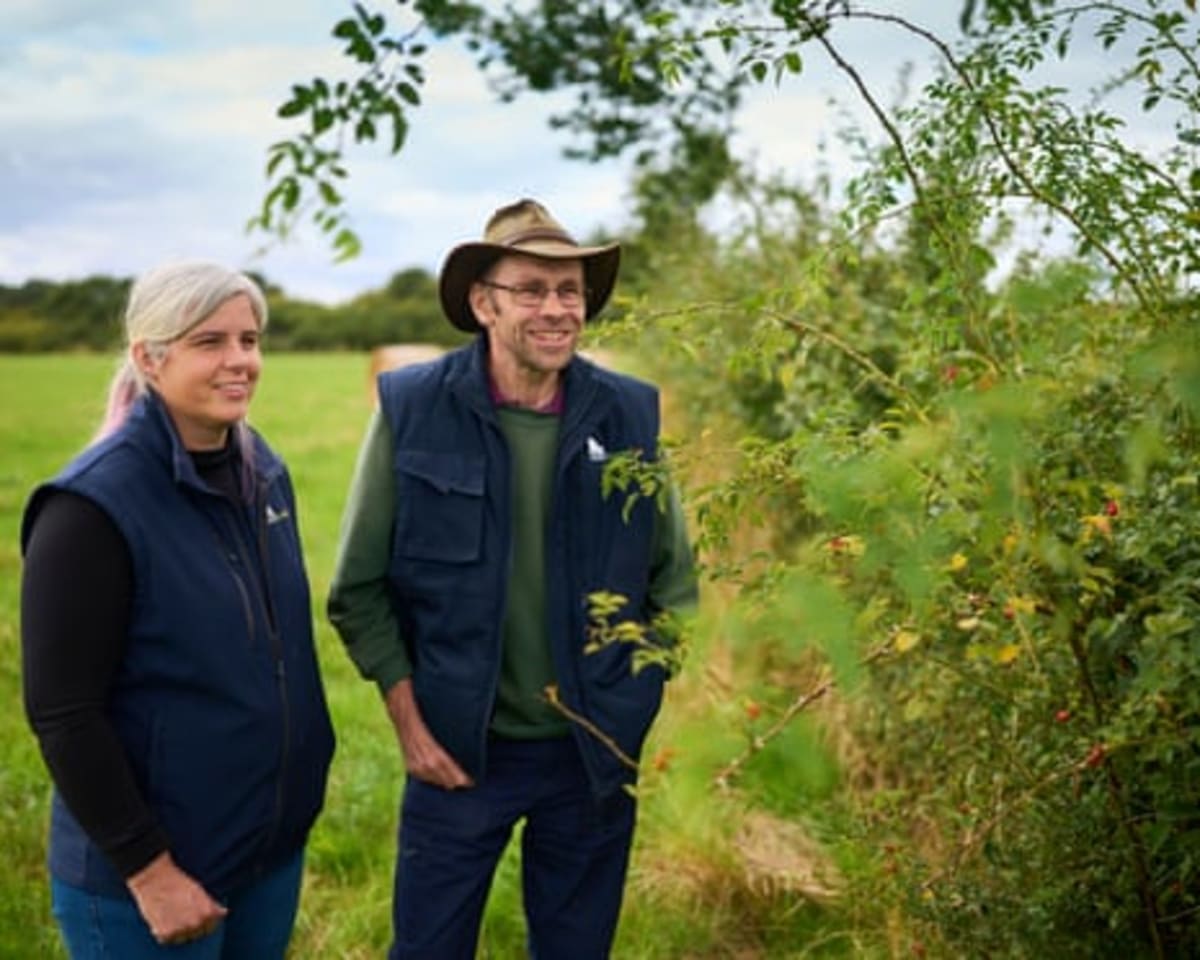
Robert Rose farms 220 acres in Yorkshire's Lower Derwent valley with his wife Emma and brother. Twenty years ago, they planted new hedges but recently taught themselves hedge laying through trial and error. "It is only recently that we have noticed how much other farmers are talking about hedge laying online, in community groups," Rose said. "It really seems to be taking off."
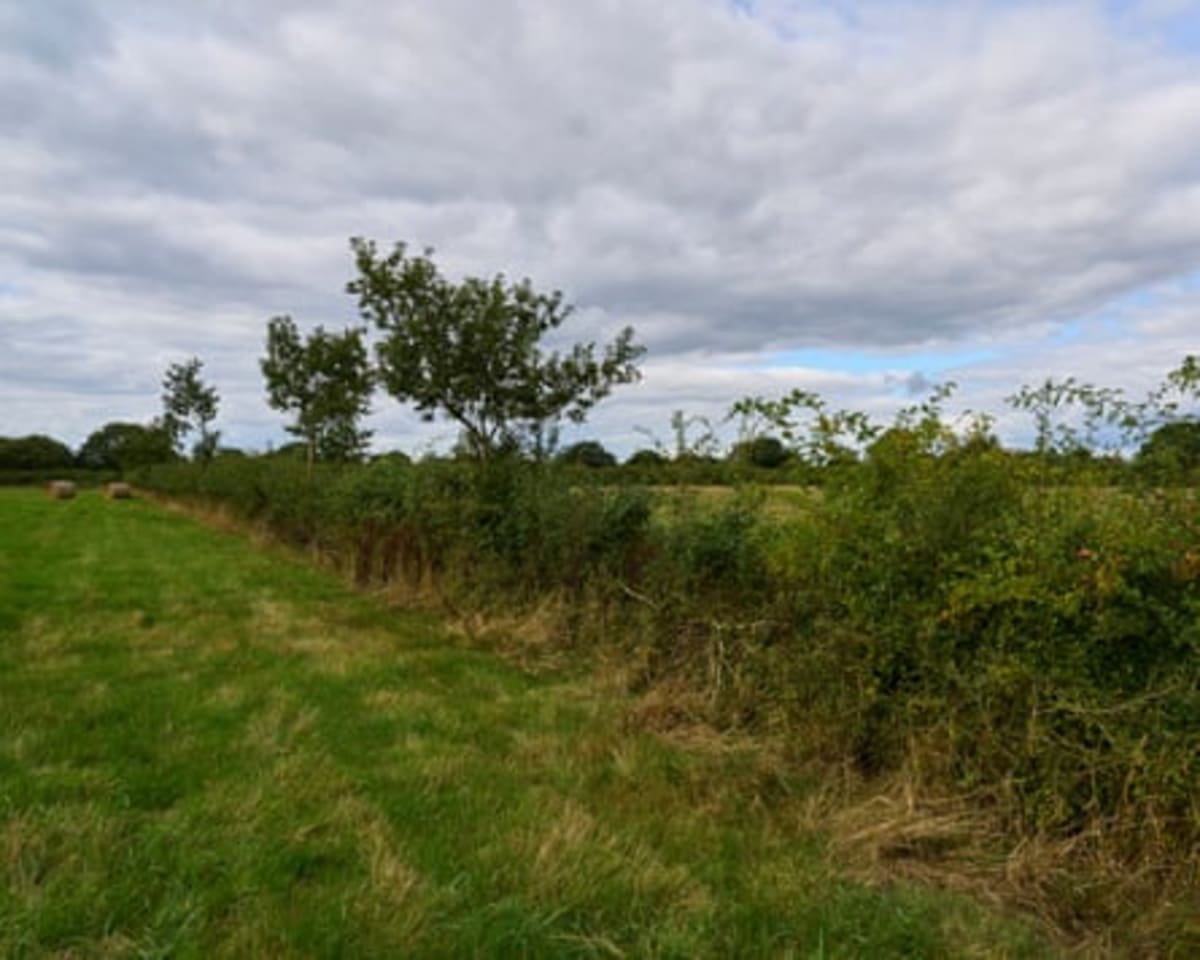
The timing couldn't be better. Mature, well-maintained hedgerows capture more carbon per hectare than forests. They support thousands of species, provide shade for livestock, reduce soil erosion, and slow down rainwater to prevent flooding.
"Hedge laying really stopped after the war, so it has been over a generation since it was a normal part of farm management," said Megan Gimber from the People's Trust for Endangered Species. The craft's decline led to massive hedgerow losses across the country.
The Ripple Effect
The revival isn't just about individual farms getting greener. Stephen Budding, chair of the National Hedgelaying Society, reports members are seeing a surge in work thanks to government grants. Many skilled layers will compete next month at the National Hedgelaying Championships in Chipping Norton, showcasing techniques passed down through generations.
Rose has noticed how hedge laying sparks broader interest in conservation among farming communities. "I think hedge laying is, if you like, a bit of a gateway drug into more conservation," he said. "It spreads around the communities to other farmers."
The government grants are also funding about 5,000 applications for planting new hedges, representing roughly 1,500 miles of fresh hedgerows. But experts stress that without proper management using techniques like hedge laying, these new hedges won't survive long term.
Rose is waiting for his grant approval to lay about 50 meters of blackthorn, hawthorn, ash, and willow hedges in a modern conservation style that keeps bushier growth for nesting birds. "We see a lot more birds using the hedges and a lot more small mammals around the bottom of mature managed hedges," he said.
Peak hedge laying season runs from October through February, so farmers are hoping for quick government decisions to get started while conditions are right.
More Images


Based on reporting by Guardian Environment
This story was written by BrightWire based on verified news reports.
Spread the positivity!
Share this good news with someone who needs it