England's First Puffin Chick in 30 Years Hatches in Dorset
After three decades without a single birth, England's struggling puffin colony welcomed its first baby in 30 years along the Dorset coast. The tiny "puffling" gives hope to conservationists fighting to save the last mainland colony from disappearing forever.
For the first time since the early 1990s, a baby puffin has emerged from the cliffs of Dancing Ledge in Dorset, bringing tears of joy to the volunteers who've watched this colony shrink from over 40 breeding pairs to just three.
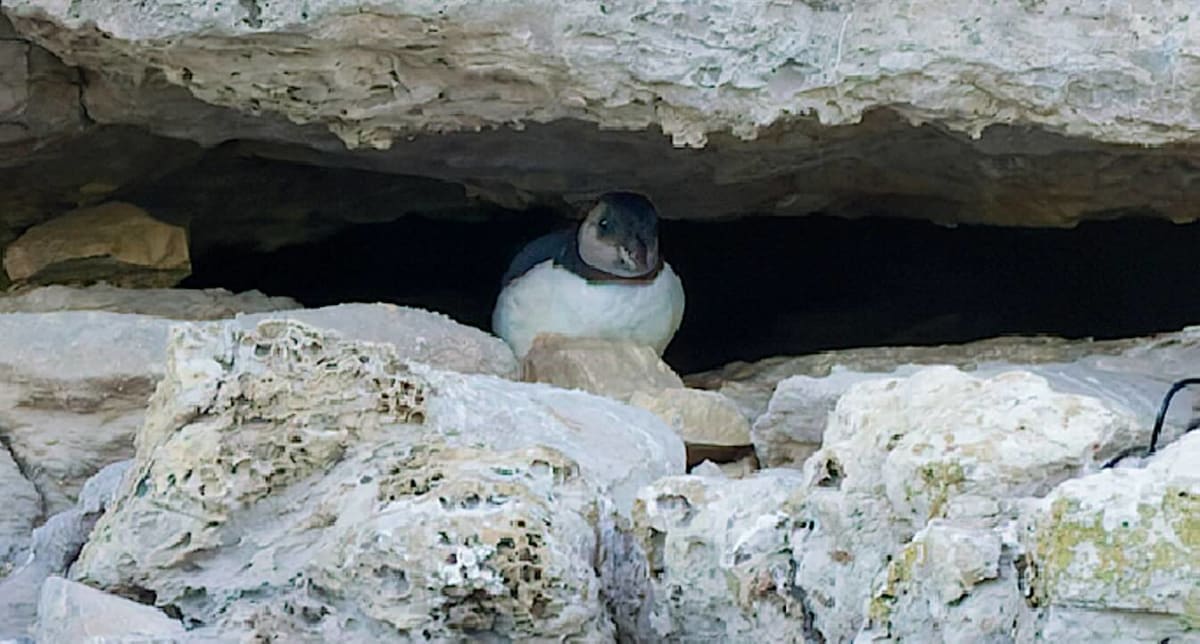
The National Trust team couldn't believe their eyes when adult puffins started delivering fish into a hidden cliff crevice on May 31. After 150 hours of monitoring and weeks of holding their breath, they finally spotted the fluffy newcomer peering out from its rocky nest.
"Seeing the puffling was a great thrill," said Dr. Richard Caldow, who leads the conservation project. This tiny bird represents the first confirmed birth in Purbeck in three decades, a small but precious victory for England's last southern puffin colony.
The colony's decline has puzzled researchers for years. What was once a thriving population of more than 40 pairs in the 1950s dwindled to just six birds, with no successful breeding for an entire generation.
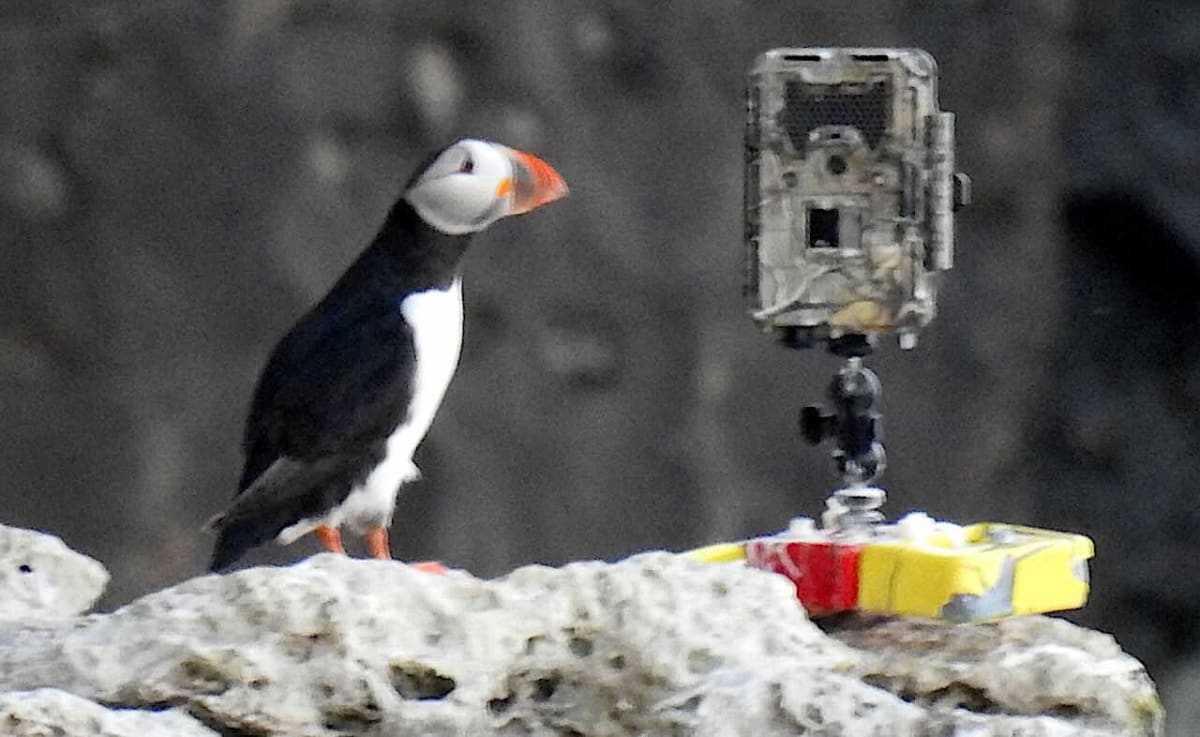
This spring, the team installed solar-powered cameras deep inside the cliff crevices to solve the mystery. They're investigating whether predators like rats have been raiding nests, preventing chicks from surviving to adulthood.
The puffling, now about 40 days old, recently received its last fish delivery from mom and dad. Soon it will leave the ledge under cover of darkness and spend the next few years alone at sea, a natural but nerve-wracking part of puffin life.
The Ripple Effect
One chick won't save the colony alone, but it proves something crucial: these cliffs can still support new life. The breakthrough gives the National Trust team vital data about what's working and what changes might help more puffins survive.
Once the cameras are retrieved after breeding season, thousands of images will reveal what happens inside those mysterious crevices. That knowledge could unlock conservation strategies to help more eggs hatch and more chicks survive their vulnerable first weeks.
Ben Cooke, project officer for the National Trust, sees this birth as the missing puzzle piece they've been searching for. Understanding why other eggs and chicks have been lost means they can finally take action to protect future generations.
If the puffling survives its years at sea, it may return to Dorset at age two, though puffins typically don't breed until they're four. That means the colony's next generation could arrive by 2028, a timeline that gives conservationists both hope and urgency to protect this fragile population.
For now, one fuzzy survivor stands as proof that with patience, dedication, and smart science, even the smallest colony can bounce back.
More Images



Based on reporting by Good News Network
This story was written by BrightWire based on verified news reports.
Spread the positivity!
Share this good news with someone who needs it