English Farmers Boost Bird Species 346% in 10 Years
Two farmer groups in southern England have reversed decades of wildlife decline, proving that working farms can feed people and save threatened species at the same time. Grey partridge populations soared 271% while butterfly and bumblebee diversity jumped by nearly half.
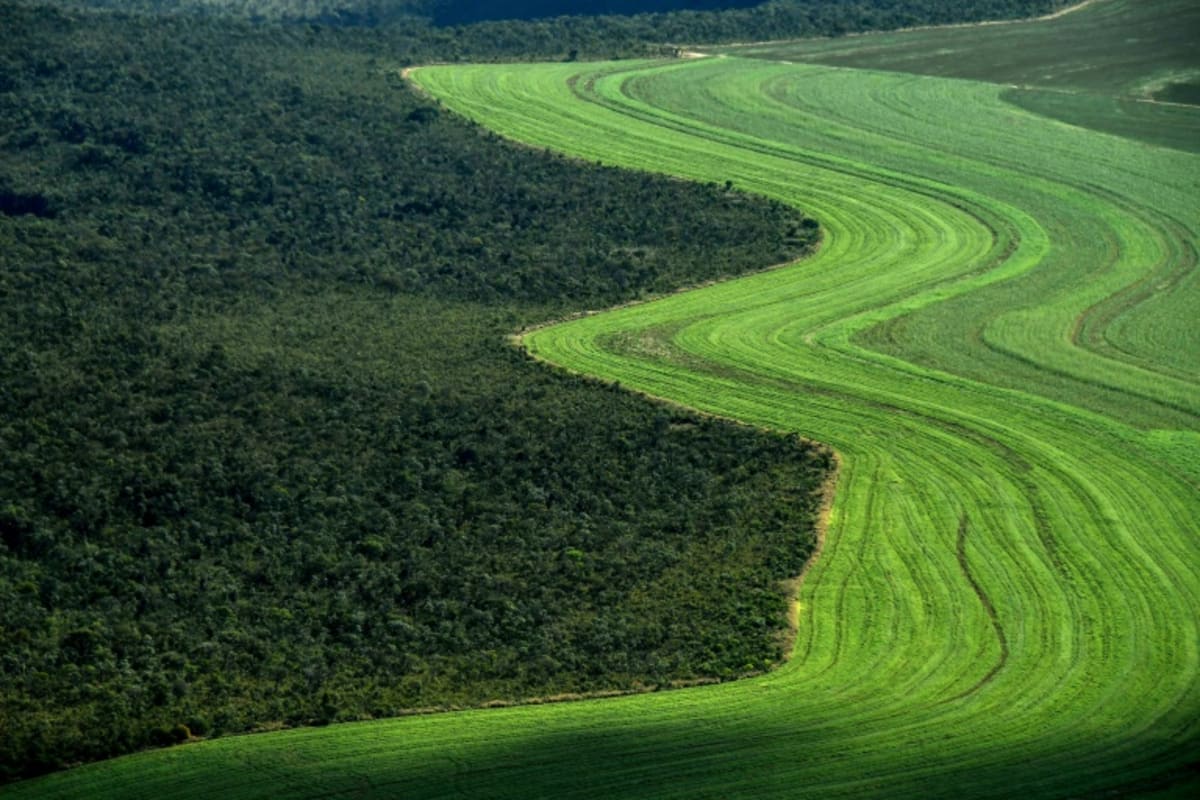
Farmland doesn't have to be a death sentence for wildlife. Two groups of English farmers just proved that coordinated conservation can bring nearly extinct birds back from the brink while still growing food for the nation.
The Martin Down and Allenford Farmer Clusters in Hampshire, Dorset, and Wiltshire spent ten years working together to create connected habitats across their properties. The results stunned even conservation experts.
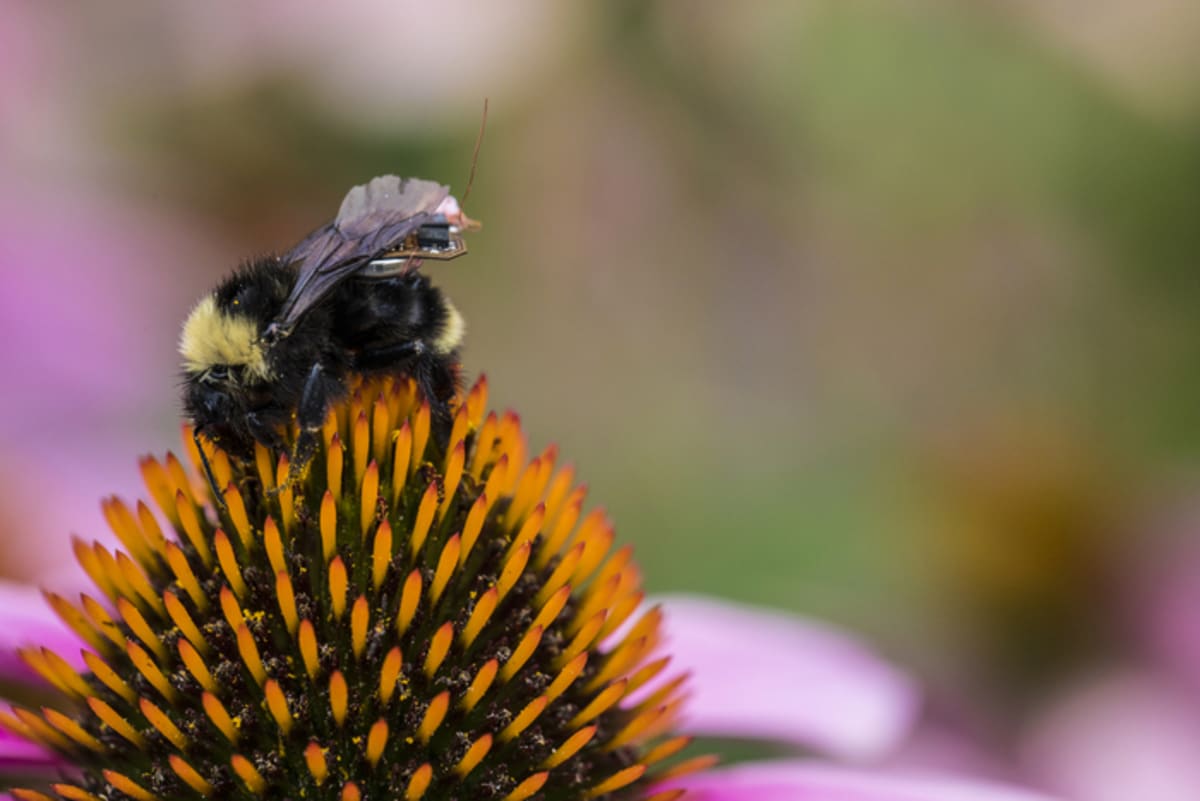
At Allenford, grey partridge breeding pairs increased by 271% even as the species declined 93% nationally since 1970. Butterfly diversity jumped 48%, and bumblebee species rose 25%.
Martin Down saw even more dramatic wins. Corn buntings, a red-listed bird that has plummeted 83% across the UK since 1967, increased by 346%. Grey partridges went up 147%, and butterfly abundance shot up 183%.
The farmers planted over 100 hectares of wildflower margins, doubled water sources for turtle doves, and created 600 hectares of grey partridge habitat. They funded much of the work themselves, supplemented by government agri-environment schemes.
The secret wasn't just individual effort but landscape-scale coordination. An experienced facilitator helped neighboring farms link habitats together, creating wildlife corridors that single properties couldn't achieve alone.
The Ripple Effect
The success challenges the assumption that feeding people and protecting nature must be in conflict. Farmers manage 72% of UK land compared to just 8% in nature reserves, making their participation essential for national biodiversity recovery.
Other threatened species benefiting include turtle doves, barn owls, swifts, harvest mice, kestrels, brown hares, and rare arable plants. The diverse wins suggest healthy ecosystems are returning, not just individual species.
Facilitator Megan Lock called the Farmer Cluster model "the solution to tackling the biodiversity crisis," showing that sustainable agriculture and species recovery can happen simultaneously. Farmer Will Dickson noted the contagious enthusiasm spreading through both groups as they plan new projects.
The model is now being watched as a blueprint for reversing wildlife decline across working landscapes worldwide.
More Images
Based on reporting by Google News - Wildlife Recovery
This story was written by BrightWire based on verified news reports.
Spread the positivity!
Share this good news with someone who needs it