English Heritage Trains Scythe Team to Save Rare Bees
Volunteers in Somerset are learning the ancient art of scything to protect endangered bumblebees while keeping a centuries-old craft alive. The team gets paid in bread and cheese, just like workers did generations ago.
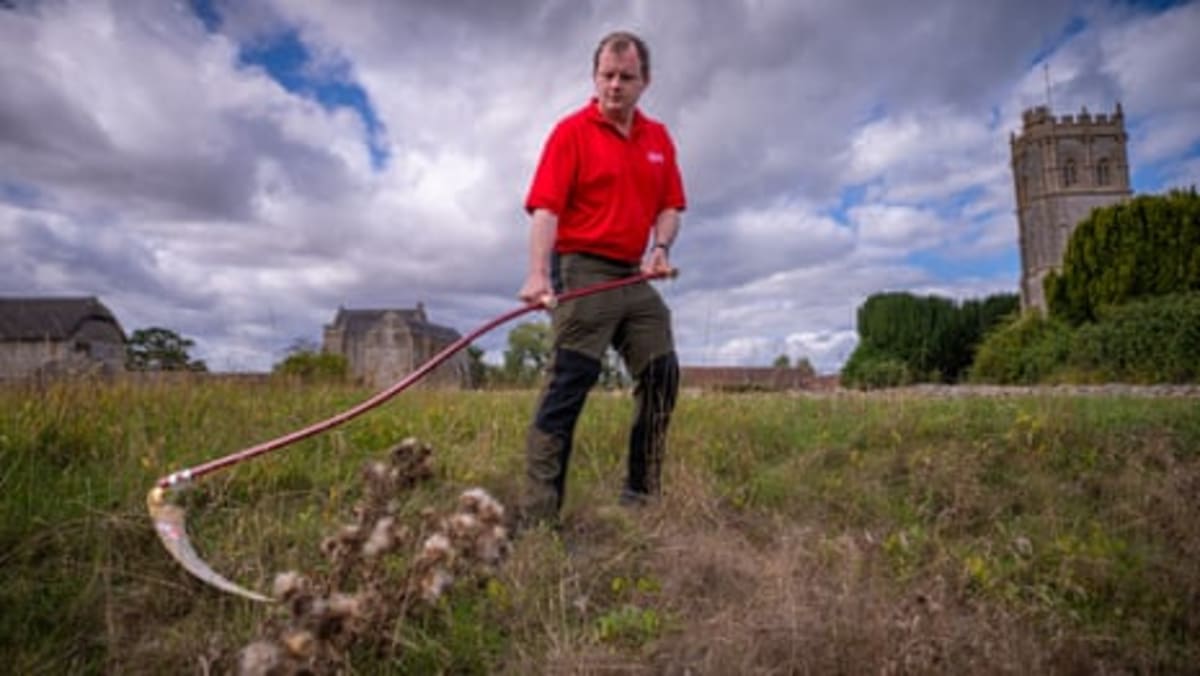
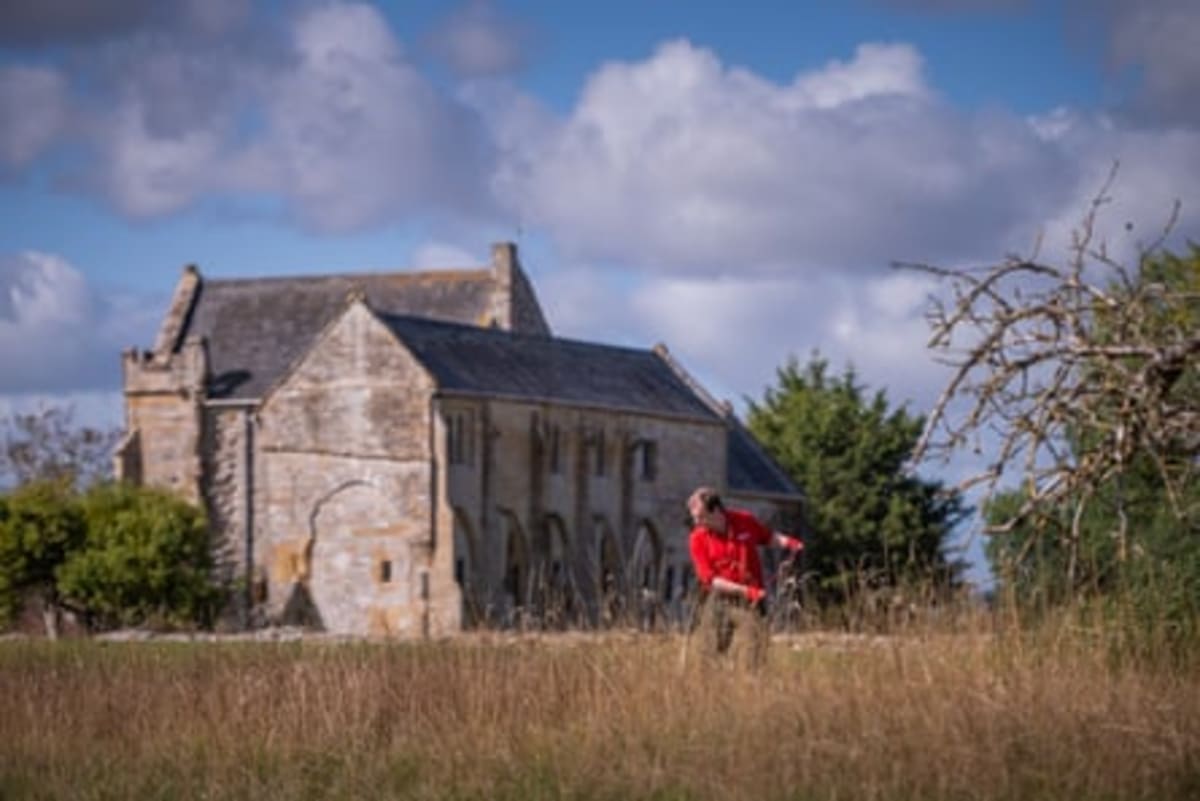
Picture this: a group of volunteers swinging hand scythes through wildflower meadows in exchange for bread and cheese, learning a skill that's been passed down for centuries. That's exactly what's happening at Muchelney Abbey in Somerset, where English Heritage is training a new generation to blend old traditions with modern conservation.
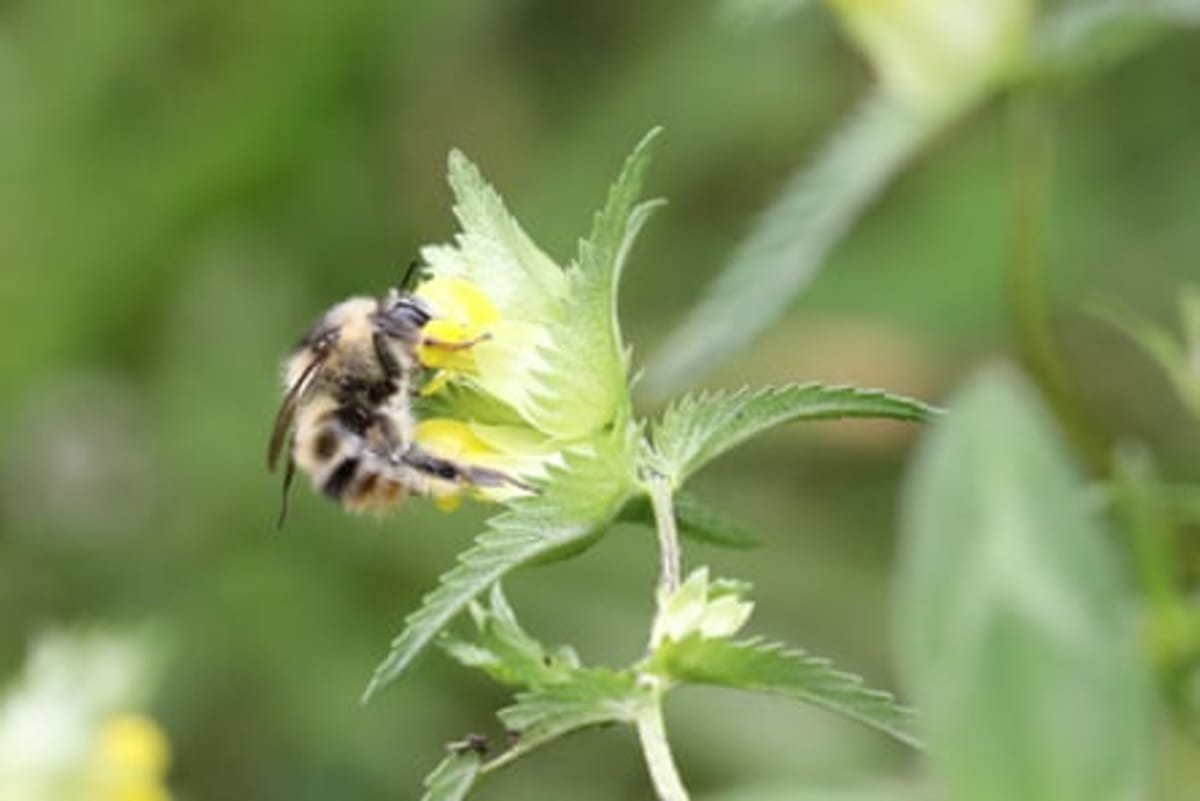
The charity has recruited and trained its first team of volunteer scythers to maintain meadowlands the traditional way. Their mission goes beyond preserving heritage skills. They're helping save the shrill carder bee, a rare bumblebee species that's been declining rapidly due to loss of flower-rich grasslands.
Ginny Slade, one of the first trained volunteers, discovered something unexpected about the ancient practice. "It's a repetitive movement. You find your rhythm and zone into it," she said. The work engages all the senses, from the sound of the blade cutting grass to the scent of fresh-cut meadow flowers.
The volunteers learned their craft from professionals at Exmoor National Park Authority. A well-maintained scythe can last generations, and proper technique requires both physical fitness and patience. English Heritage even considered offering West Country cider as payment, just like the old days, but settled on bread and cheese instead for safety reasons.
The first project focuses on a three-year partnership with the Bumblebee Conservation Trust at Muchelney Abbey. Volunteers aren't just counting bees. They're monitoring which flowers bloom, which plants the bees prefer, how far they travel from nests, and how the habitat changes over time.
The Ripple Effect
This pilot program represents something bigger than one meadow in Somerset. English Heritage pledged to create and enhance 100 meadows to mark King Charles's coronation in 2023, and Muchelney is leading the way. Once trained, volunteers will travel to other historic sites across England, spreading both their skills and the benefits to wildlife.
The approach shows how looking backward can move us forward. Traditional land management techniques often created the diverse, flower-rich habitats that struggling pollinators desperately need today. By reviving these methods, volunteers are addressing modern environmental challenges with time-tested solutions.
The shrill carder bee needs all the help it can get. This species has seen significant decline as development and intensive farming have eliminated the wildflower meadows it depends on. Every new patch of carefully maintained habitat gives these crucial pollinators a fighting chance.
The program proves that conservation doesn't always require high-tech solutions. Sometimes the best tools are the ones our ancestors used, wielded by people passionate about protecting the natural world for future generations.
More Images

Based on reporting by Guardian Environment
This story was written by BrightWire based on verified news reports.
Spread the positivity!
Share this good news with someone who needs it