Essex Wildlife Center Saves 492 Birds in Drought Crisis
A wildlife rescue center in Essex saved nearly 500 birds in just one month, responding to an unprecedented surge in emergencies caused by drought conditions. The team worked around the clock to treat swans, gulls, and owls affected by dropping water levels and avoidable fishing line injuries.
When drought hit Essex County this summer, Wildlives Rescue and Rehabilitation Centre faced something they'd never seen in their history: 492 animal rescues in a single month.
The Thorrington rescue center has been working nonstop since June, with 278 gulls alone needing emergency care. Founder Rosie Catford says the dry weather created perfect conditions for botulism to thrive in stagnant water, putting birds at serious risk.
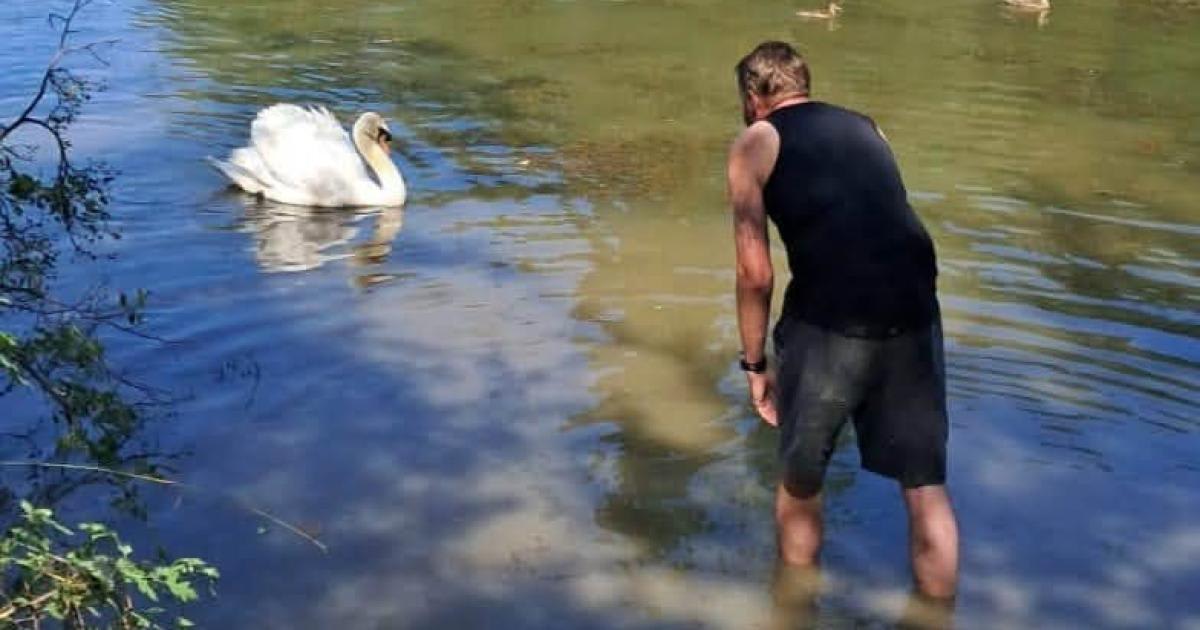
One of the most intense rescue days started on a Saturday morning with a call about a male swan in Braintree. A fishing hook had embedded so deeply in his neck that hard tissue had formed around it, showing the hook had been there for weeks.
The Wildlives team carefully removed the hook, cleaned the wound, and gave the swan antibiotics. Within hours, he was swimming back to his family, completely recovered.
But that same day brought two more swan emergencies. One bird tangled in netting and another trapped in fishing tackle on the River Colne demonstrated a frustrating pattern the center keeps seeing.
"This is avoidable," Rosie explains. "If fishermen retrieve their line instead of leaving it in trees and bushes, swans won't become tangled when they swim past."
The following Monday became their busiest day yet. Eight gulls needed rescue, two swans required emergency treatment, and admissions never stopped from morning until night.
Essex County Fire and Rescue Service helped pull a distressed cygnet from the River Colne that day. The young swan showed clear signs of botulism, a direct result of dramatically dropping water levels exposing contaminated mud.
The team placed the cygnet on intensive treatment and introduced it to three other young swans at the center. The bird is making steady progress toward recovery.
The Ripple Effect
Every rescued bird tells a bigger story about climate impact on wildlife. The drought conditions affecting Essex aren't just creating individual emergencies but revealing how vulnerable local ecosystems have become.
What makes this surge truly hopeful is the community response. Local residents have been calling in distressed birds quickly, giving the Wildlives team crucial time to intervene before injuries become fatal.
The fire rescue service has partnered seamlessly with the center on difficult water rescues. Fishermen in the area are starting conversations about responsible tackle management after seeing the damage left-behind lines can cause.
The center needs donations to cover treatment costs, medication, and emergency care for the continued influx of injured animals. But their success rate shows what dedicated wildlife rehabilitation can accomplish even during environmental crises.
That male swan swimming back to his family after surgery captures the mission perfectly: individual lives saved through quick action and community care.
Based on reporting by Google News - Wildlife Recovery
This story was written by BrightWire based on verified news reports.
Spread the positivity!
Share this good news with someone who needs it