Estrogen Therapy Linked to Lower Alzheimer's Risk
A new study of over 21,000 patients shows that women taking estrogen-only hormone therapy for menopause had fewer signs of memory loss and dementia. Researchers even found fewer Alzheimer's markers in the brains of those who donated them to science.
Women have carried a heavy burden when it comes to Alzheimer's disease. Two out of every three people who develop this memory-stealing condition are female, and scientists have long wondered why.
Now researchers at Stanford University may have uncovered a promising clue. Their study, published in Neurology, analyzed records from 21,462 patients and found something hopeful: women taking estrogen-only hormone therapy for menopause showed fewer signs of cognitive decline.
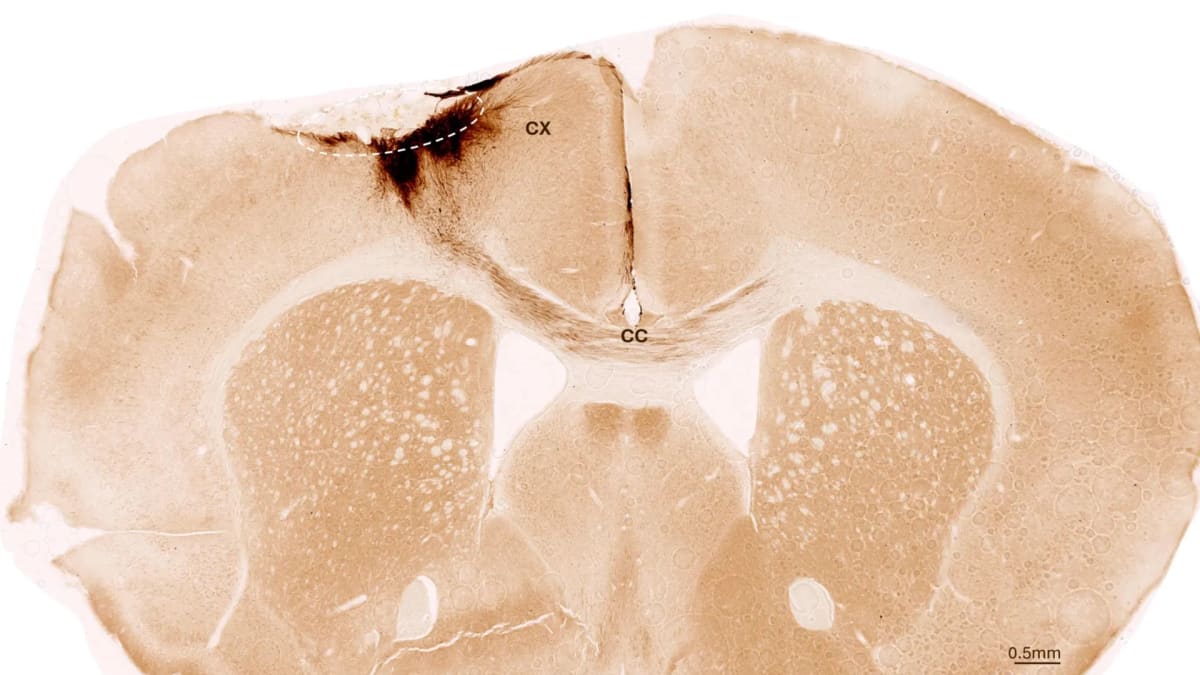
The findings were particularly striking when researchers examined nearly 3,000 brains donated to science. Those who had taken estrogen therapy had fewer beta-amyloid plaques and tau protein tangles, the hallmark signs of Alzheimer's that scientists have been trying to combat for decades.
Jennifer Bruno, a cognitive neuroscientist at Stanford, explains that menopause brings a sharp drop in estrogen production. This hormonal shift may play a bigger role in brain aging than previously understood.
The research team carefully accounted for other factors like age, race, and health history. A second dataset of living patients showed similar positive results, with lower Alzheimer's biomarkers among those taking estrogen therapy.
The Bright Side
While this study doesn't prove that estrogen therapy prevents dementia, it opens an exciting door for women's brain health. The connection between menopause and cognitive decline has left many women feeling helpless, but this research suggests there may be ways to protect against it.
The findings are especially meaningful because they point toward a potential intervention during a natural life transition that affects half the population. For years, women have faced higher Alzheimer's rates without clear answers about prevention.
Jacob Shaw, a study co-author and psychiatry resident, notes that more research is needed. The team didn't have complete information about why each patient took estrogen therapy or their full medical histories. Long-term clinical trials will help confirm whether estrogen therapy truly offers protection.
The research also raises important questions. Past studies have suggested that combination hormone therapies with progesterone might increase dementia risk, though scientists aren't sure why estrogen alone appears different.
Bruno says this work "sets the stage for future randomized controlled trials" that could give women and their doctors clearer guidance about menopause treatment and brain health.
More Images



Based on reporting by Scientific American
This story was written by BrightWire based on verified news reports.
Spread the positivity!
Share this good news with someone who needs it