Ethiopia Bans Gas Cars, Adds 100K Electric Vehicles in 2 Years
Ethiopia became the first country to ban gas and diesel car imports, and now over 100,000 electric vehicles cruise its streets powered almost entirely by clean hydropower. Bus driver Shashe Asemare loves the quiet ride through Addis Ababa's crowded streets without exhaust fumes choking the air.
When Shashe Asemare climbs behind the wheel of her mint-green electric bus each morning, she notices something missing: the roar and smoke that used to fill Ethiopia's capital. Since Addis Ababa added 100 new electric buses in 2025, both drivers and the 90,000 daily passengers are breathing easier.
Ethiopia made history in 2024 by becoming the first nation to ban imports of gasoline and diesel vehicles. Just over two years later, more than 100,000 of the country's 1.2 million registered vehicles run on electricity.
The shift happened fast for good reason. Ethiopia spent roughly $4.6 billion on fuel imports in 2023 and 2024, a crushing expense for one of Africa's poorest countries. Conventional fuel prices have more than tripled since 2022.
"Before switching, I used to spend 40,000 to 50,000 birr on fuel every month," said taxi driver Abdurahman Ali, now driving a Chinese electric hatchback. "Since switching to electric and charging at home, my costs dropped to about 5,000 birr. That's a huge difference."
Passenger Zeraye Tekelu appreciates the change too. "They're very comfortable to travel in and don't pollute the air," he said of the new buses.
The Ripple Effect
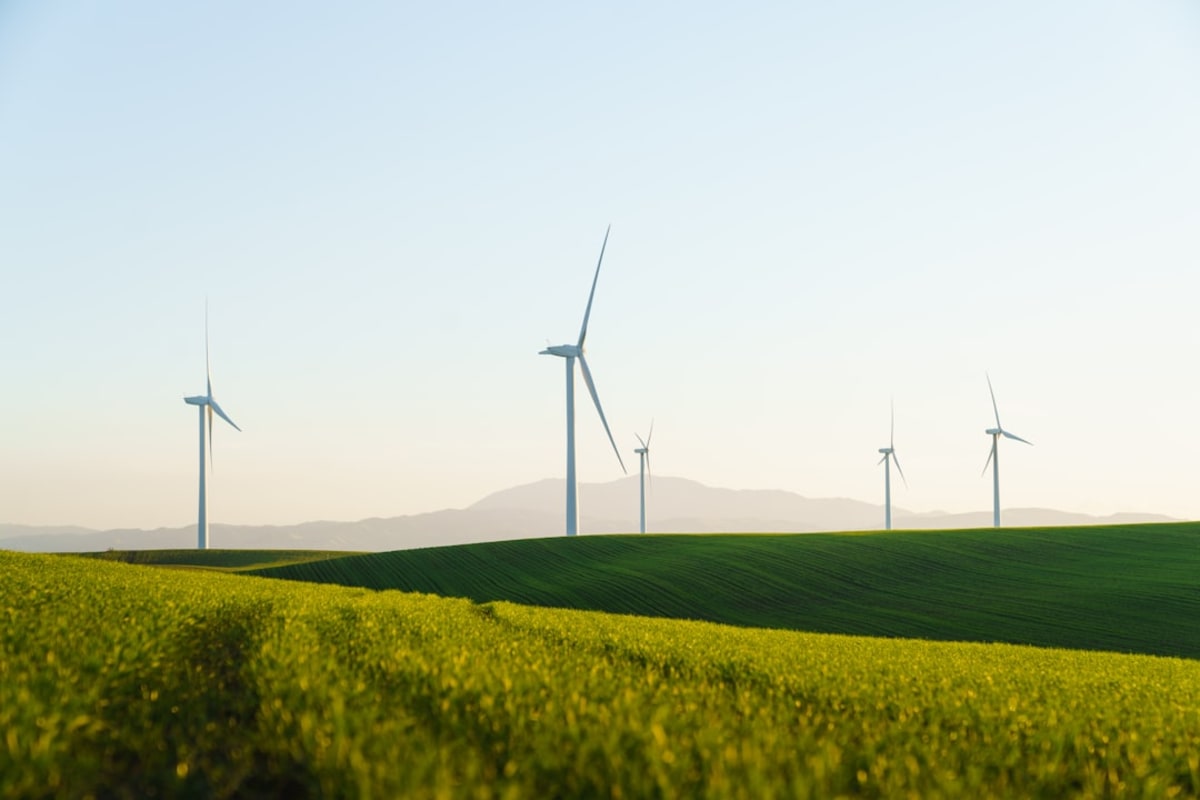
Ethiopia's green revolution runs on genuinely clean energy. The country generates more than 96% of its electricity from renewable hydropower, earning it the nickname "Africa's water tower" for its abundant rainfall and rivers.
The newly opened Grand Ethiopian Renaissance Dam will more than double the country's electricity supply with over 5,000 megawatts of renewable energy. This means Ethiopia's electric vehicles produce virtually zero emissions from start to finish.
Electric passenger cars now represent more than 5% of Ethiopia's total fleet, matching the European Union's adoption rate. The government aims for 500,000 electric vehicles by 2030, supported by tax breaks and 17 plants building EVs with Chinese parts.
The country even introduced fully electric light rail and recently added 50 heavy-duty electric trucks to an airport construction site. Transport officials say global oil market instability proves Ethiopia made the right choice going electric.
Challenges remain. With around 500 charging stations nationwide, most concentrated in Addis Ababa, drivers say infrastructure needs to grow with demand. And in a nation where half of 110 million people still live without electricity, the $17,000 starting price for new electric cars remains steep for workers earning less than $1,000 yearly.
Private operators are already filling the charging gap, spotting opportunity in Ethiopia's electric transformation. What started as a money-saving measure has positioned this East African nation as an unexpected climate leader showing the world what's possible when necessity meets renewable resources.
More Images

Based on reporting by Google News - Electric Vehicle
This story was written by BrightWire based on verified news reports.
Spread the positivity!
Share this good news with someone who needs it