Ethiopia Gets First Independent Wind Farm with $110M Loan
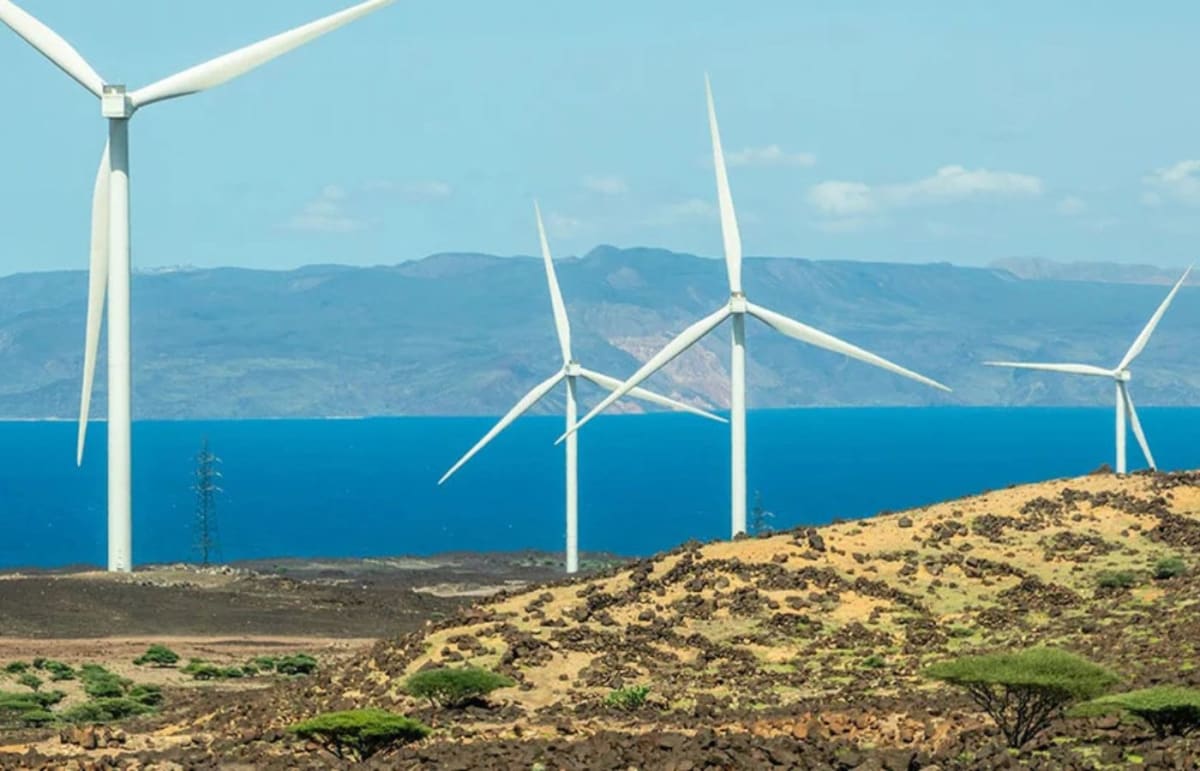
Ethiopia just secured $110 million to build its first privately operated wind farm, a game-changer for a country that relies almost entirely on drought-vulnerable hydropower. The 300-megawatt project will power homes, create over 1,500 construction jobs, and cut 1.39 million tonnes of carbon emissions.
Ethiopia is breaking new ground in renewable energy with a $110 million boost from the African Development Bank for its first independent wind power project. The 300-megawatt Aysha Wind Farm will be the country's largest wind facility and marks a historic shift toward diversifying a power grid that's 96 percent dependent on hydropower.
The financing package, approved on July 15, will support a $508 million project developed by Dubai-based AMEA Power near Aysha in the Somali Regional State. The African Development Bank is contributing $80 million, with additional funds from the Clean Technology Fund and Sustainable Energy Fund for Africa, while helping bring in another $381 million from other lenders.
This matters because Ethiopia's heavy reliance on hydropower has left it vulnerable to droughts and climate swings. When water levels drop, so does electricity supply, affecting millions of people who depend on reliable power for homes, businesses, and hospitals.
The wind farm will generate about 1,189 gigawatt-hours of clean electricity annually once operational. Ethiopian Electric Power will purchase all the energy under a 25-year agreement, giving the country a more stable and diversified energy supply.
The project represents years of effort to attract private investment into Ethiopia's power sector through public-private partnerships. It's the first wind project to reach financial close under the country's Independent Power Producer program, creating a blueprint for future renewable energy investments across Africa.
The Ripple Effect
Beyond clean energy, the Aysha project is creating immediate economic opportunities for communities. During construction, about 1,525 people will find direct employment building the wind farm and five-kilometer transmission line.
Another 30 permanent jobs will support ongoing operations for decades to come. Economists estimate the project will generate roughly 35,645 indirect jobs through supply chains and the economic activity that follows increased electricity access.
The environmental impact is equally significant. Over 25 years, the wind farm will avoid 1.39 million tonnes of carbon dioxide emissions, supporting Ethiopia's climate commitments and its goal to achieve net-zero emissions.
The project also advances Ethiopia's ambitious plan to bring electricity to every citizen by 2030 through its National Electrification Program. Currently, millions of Ethiopians still lack reliable power access, limiting opportunities for education, healthcare, and economic development.
Wale Shonibare, the Bank's Director for Energy Financial Solutions, called it "a transformative moment" that shows how governments, development banks, and private investors can work together on large infrastructure projects. The financing structure combines long-term loans, reduced-rate funding, and innovative risk protections that other African countries can replicate.
The Aysha Wind Farm fits into the African Development Bank's Mission 300 initiative, which aims to connect 300 million Africans to electricity by 2030. For Ethiopia, it's a powerful step toward energy security, climate action, and economic growth powered by the wind.
Based on reporting by Regional: ethiopia development (ET)
This story was written by BrightWire based on verified news reports.
Spread the positivity!
Share this good news with someone who needs it