Ethiopia's Largest Wind Farm Gets $110M Green Light
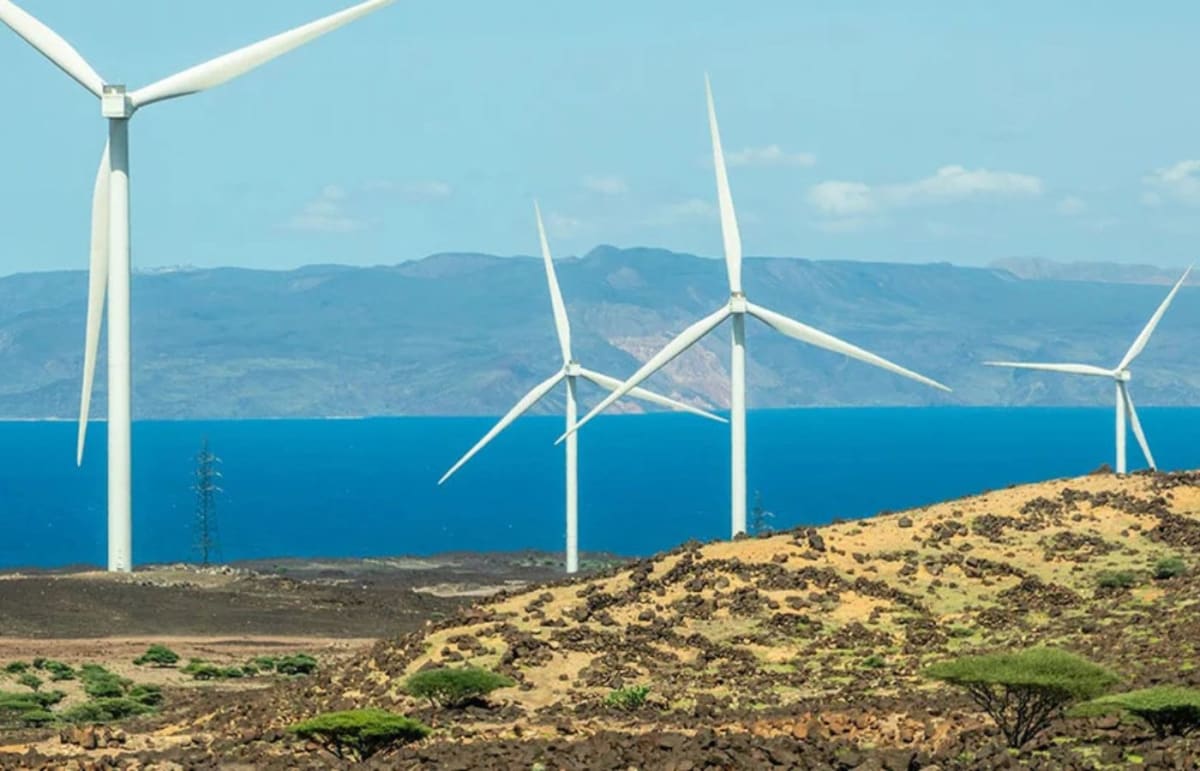
Ethiopia just secured $110 million to build its biggest wind power plant ever, a 300-megawatt project that will create over 1,500 jobs and help power the nation's push toward clean energy. The Aysha Wind Project marks the country's first privately operated wind farm and could become a model for renewable energy across Africa.
Ethiopia is about to get a major boost in clean energy, and it's happening in one of the country's most promising locations for wind power.
The African Development Bank approved $110 million in financing for the Aysha Wind Project, a 300-megawatt wind farm that will become Ethiopia's largest wind power facility when completed. The project received the green light on July 15, 2026, bringing together funding from three sources: $80 million from the African Development Bank, $20 million from the Clean Technology Fund, and $10 million from the Sustainable Energy Fund for Africa.
Located near Aysha in Ethiopia's Somali Region, the wind farm will generate about 1,189 gigawatt-hours of clean electricity every year. That's enough power to make a real difference in a country working hard to bring reliable electricity to all its citizens by 2030.
The $508 million project does more than just add power to the grid. It helps Ethiopia break free from its heavy dependence on hydropower, which currently provides 96 percent of the country's electricity. Climate change is making water levels less predictable, so adding wind power creates a safety net for the nation's energy future.
AMEA Power will build and operate the facility, making this Ethiopia's first wind-based Independent Power Producer. The company will sell electricity to Ethiopian Electric Power under a 25-year agreement, and a new five-kilometer transmission line will connect the farm to the existing Aysha II substation.
The Ripple Effect
The impact reaches far beyond clean energy numbers. During construction, the project will create 1,525 direct jobs, with 30 permanent positions once the turbines start spinning. But the real employment story lives in the indirect opportunities: an estimated 35,645 jobs could emerge through supply chains and economic growth powered by increased electricity access.
Over its 25-year lifespan, the wind farm will prevent 1.39 million tonnes of carbon dioxide from entering the atmosphere. That's the kind of climate action that supports Ethiopia's commitment to reaching net-zero emissions while also contributing to Mission 300, an ambitious initiative to bring electricity to 300 million people across Africa by 2030.
The African Development Bank sees this project as a blueprint for future renewable energy investments across the continent. By combining long-term debt with concessional funding and risk-mitigation tools, the financing structure shows other private companies how they can participate in Africa's clean energy transformation.
For millions of Ethiopians still waiting for reliable electricity to reach their homes, this wind farm represents real progress toward brighter days ahead.
More Images


Based on reporting by Regional: ethiopia development (ET)
This story was written by BrightWire based on verified news reports.
Spread the positivity!
Share this good news with someone who needs it