Ethiopia Bans Single-Use Plastic Bags Nationwide
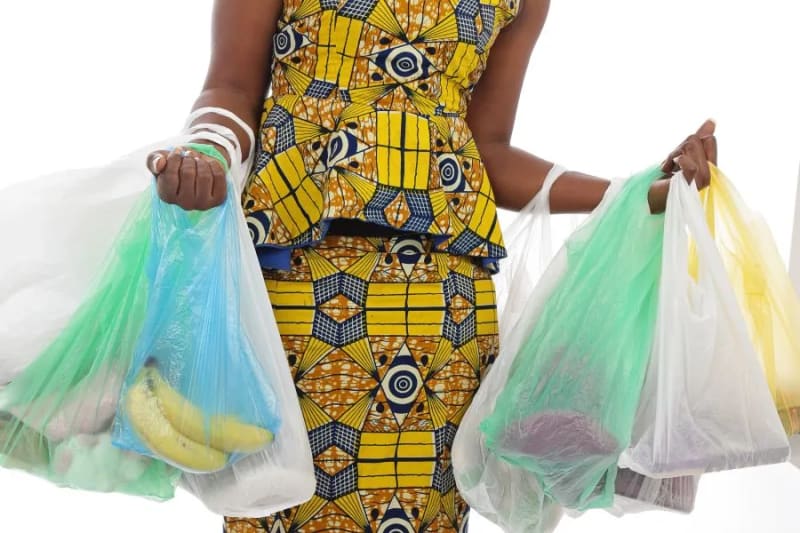
Ethiopia just enforced a nationwide ban on single-use plastic bags, taking a major step toward cleaner streets and healthier ecosystems. The country is backing up the law with fines and prison time while helping citizens make the switch.
Ethiopia is officially saying goodbye to single-use plastic bags as a sweeping nationwide ban takes effect this month.
The new law, approved last June after a six-month grace period, targets a pollution problem that's been choking the country's environment for years. Single-use plastic bags make up nearly half of all plastic waste in Ethiopia, according to the country's Environmental Protection Authority.
The government isn't playing around with enforcement. Individuals caught using plastic bags face fines between $13 and $32. Businesses that manufacture, import, or sell them could pay up to $1,288 and face up to five years in prison.
But Ethiopia learned an important lesson before rolling out the ban. Laws alone don't change behavior. That's why the country launched a national education campaign before the ban took effect, teaching people about proper waste disposal and the environmental damage caused by plastic pollution.
Researchers from Cambridge University found that successful plastic bans need more than just penalties. They need affordable alternatives, clear communication, and support for communities making the transition. Ethiopia is working on all three.
The plastic problem in Ethiopia extends beyond littered streets. Last year, researchers discovered that donkeys were eating plastic waste, raising serious animal welfare concerns. The ban could help protect wildlife while cleaning up communities.
The Ripple Effect
Ethiopia's plastic ban joins a growing movement across Africa. More than 30 African nations have now restricted single-use plastics, leading the world in tackling this environmental challenge.
The country's approach recognizes that changing decades of habits takes time and support. By combining education, enforcement, and accessible alternatives like reusable bags, Ethiopia is building a framework other nations can learn from.
Local markets are already adapting. Vendors are switching to cloth bags, paper wrapping, and reusable containers. The transition creates new opportunities for businesses making sustainable alternatives.
Environmental groups say the ban could prevent thousands of tons of plastic from entering Ethiopia's rivers, soil, and ecosystems each year. That means cleaner water sources, healthier farmland, and safer habitats for wildlife.
The policy also empowers communities to participate in solutions. By involving local leaders and citizens in waste management planning, Ethiopia is building lasting change from the ground up rather than imposing it from above.
For a country of 120 million people, enforcing this ban represents a massive undertaking, but early reports suggest strong public support and growing compliance in major cities.
Ethiopia's bold move proves that environmental progress and economic development can work together, creating a cleaner future one reusable bag at a time.
More Images




Based on reporting by Google News - Plastic Reduction
This story was written by BrightWire based on verified news reports.
Spread the positivity!
Share this good news with someone who needs it