Thailand Launches National Climate Adaptation Research Network
Thailand just took a major step toward climate resilience by bringing researchers and government officials together to turn scientific findings into real-world action. The historic forum established the country's first national network dedicated to climate adaptation research.
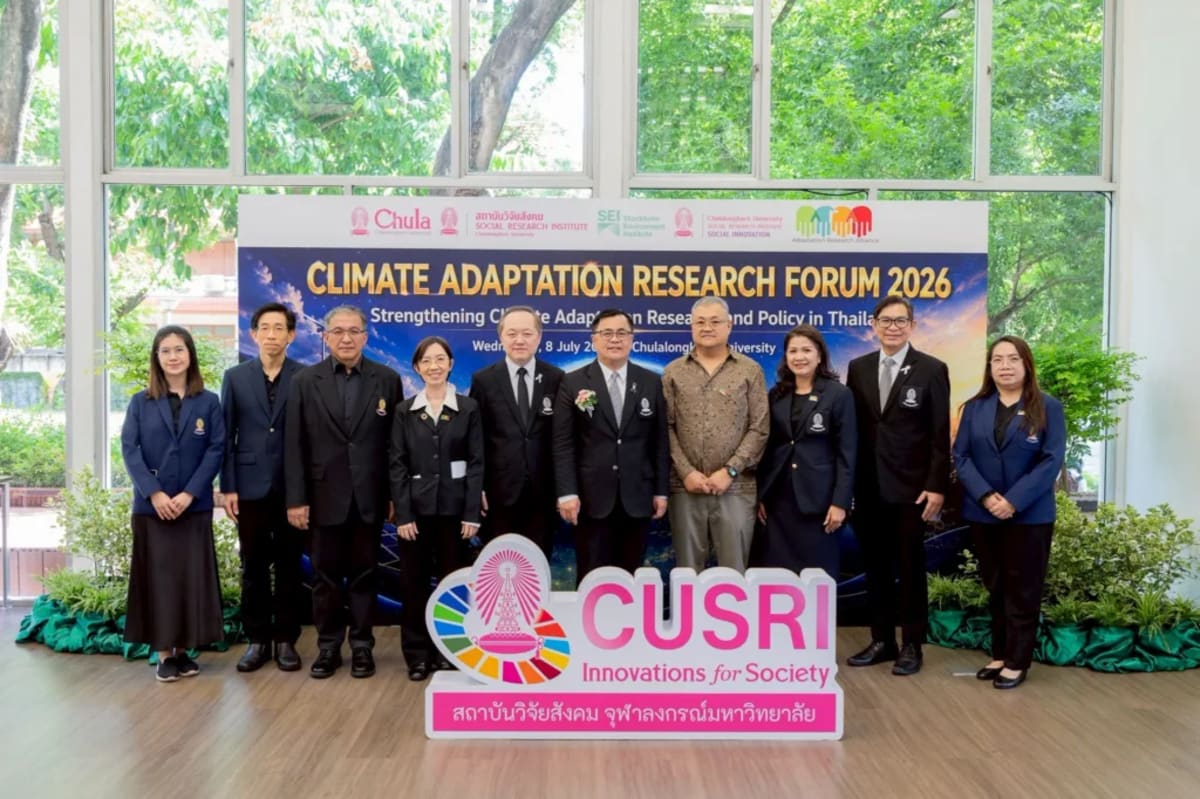
Chulalongkorn University in Bangkok hosted a groundbreaking forum in July 2026 that could reshape how Thailand prepares for climate change. The Thailand Climate Adaptation Research Forum brought together scientists, policymakers, and innovation leaders to bridge the gap between research and practical solutions.
The Social Research Institute partnered with the Stockholm Environment Institute and the Adaptation Research Alliance to organize the event. More than just another conference, it launched the Adaptation Research Alliance Thailand, a nationwide network designed to coordinate climate research across the country.
President of Chulalongkorn University Professor Dr. Wilert Puriwat opened the ceremony and recognized outstanding research presentations. Dr. Surachai Sathitkunarat from the National Higher Education, Science, Research, and Innovation Policy Council delivered a keynote on how government policy can support climate adaptation.
The forum tackled critical questions about Thailand's climate future. Professor Dr. Sate Sampattagul from Chiang Mai University presented research on climate risk and vulnerability across different regions. Associate Professor Dr. Unruan Leknoi followed with strategies for building community resilience against changing weather patterns.
Afternoon breakout sessions moved beyond talking points. Participants identified Thailand's specific strengths and gaps in climate research, then prioritized which areas need urgent attention. Each group presented actionable recommendations that can guide future funding and policy decisions.
The Ripple Effect: This collaboration model could influence climate action across Southeast Asia. By connecting universities, government agencies, and international research organizations, Thailand created a blueprint for turning scientific knowledge into policies that protect communities. The network ensures that farmers dealing with drought, coastal cities facing sea level rise, and mountain regions experiencing extreme weather all benefit from coordinated research efforts.
The forum represents a shift from studying climate change to actively preparing for it. When researchers and policymakers work together from the start, solutions reach people faster and fit local needs better.
Thailand's approach shows that climate resilience isn't just about technology or money. It requires sustained partnerships that translate data into decisions and research into real protection for communities most affected by environmental changes.
The network will continue meeting to assess progress and adjust strategies as Thailand's climate challenges evolve.
Based on reporting by Regional: thailand innovation (TH)
This story was written by BrightWire based on verified news reports.
Spread the positivity!
Share this good news with someone who needs it