Ethiopia Beats First Marburg Outbreak in Under 3 Months
Ethiopia just ended its first-ever Marburg virus outbreak in less than three months, containing a deadly disease that killed 14 people. Swift action, strong preparation, and global teamwork turned a potential health crisis into a story of what's possible when nations are ready.
Ethiopia just proved that preparation and quick action can stop one of the world's deadliest diseases in its tracks.
The East African nation officially declared the end of its first-ever Marburg virus outbreak this week after 42 consecutive days with no new cases. The outbreak, first confirmed on November 14, 2025, in the South Ethiopia Region, was contained in less than three months through a coordinated response that brought together government leaders, health workers, and the World Health Organization.
Marburg virus disease is severe and often fatal, transmitted from fruit bats to humans and spreading through direct contact with bodily fluids. Without licensed vaccines or treatments currently available, stopping an outbreak depends entirely on fast detection and careful containment.
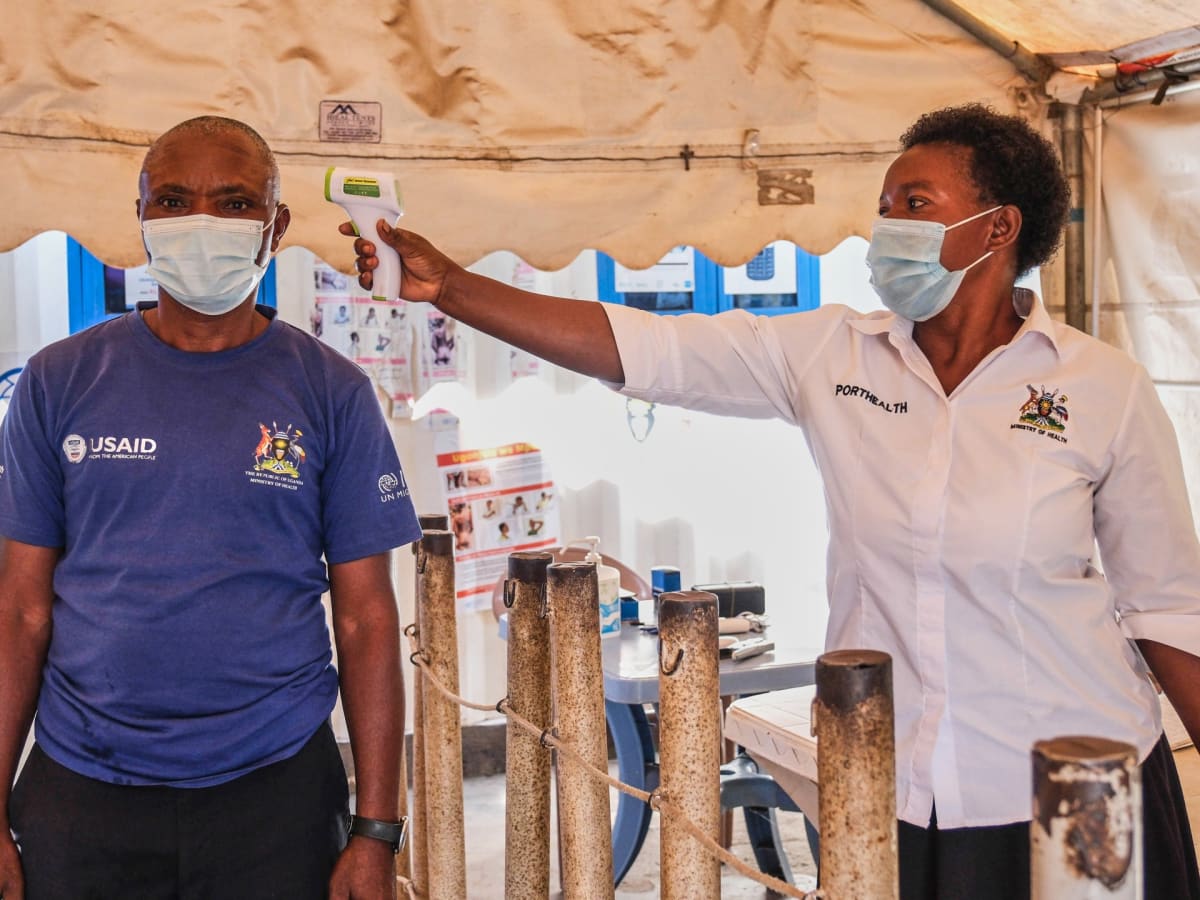
Ethiopia's response was textbook. Within 24 hours of confirming the outbreak, WHO deployed 36 experts to affected areas and repurposed 28 more staff members to support field operations. Health teams identified 857 contacts and monitored them for 21 days. They set up isolation facilities, delivered emergency supplies, and engaged communities to stop the virus from spreading further.
The outbreak affected four districts and resulted in 14 confirmed cases with nine deaths and five recoveries. Five additional probable cases also resulted in deaths. Three health workers were infected during the response, with two dying and one recovering, showing both the disease's severity and the risks frontline responders face.
But Ethiopia didn't start from scratch. The country had invested in pandemic preparedness before Marburg arrived, building laboratory capacity, disease surveillance systems, and training surge workforce teams. Those investments meant the difference between early detection and a much larger crisis.
The Ripple Effect
Ethiopia's success story reaches far beyond its borders. The rapid containment demonstrates what becomes possible when countries invest in public health infrastructure before emergencies strike. Other nations can now study Ethiopia's response to strengthen their own preparedness systems.
The country is already implementing follow-up programs to support Marburg survivors and conducting after-action reviews to capture lessons learned. These efforts will make Ethiopia even more ready for future health threats while providing a blueprint for neighboring countries facing similar risks.
"Preparedness saved time, and time saved lives," said Dr. Senait Tekeste Fekadu, WHO Incident Manager for the response. That equation holds true everywhere: every dollar invested in readiness multiplies during a crisis, protecting communities and saving resources that would otherwise go toward emergency response.
Ethiopia turned its first encounter with Marburg into proof that deadly outbreaks don't have to become disasters when nations choose to prepare.
Based on reporting by AllAfrica - Headlines
This story was written by BrightWire based on verified news reports.
Spread the positivity!
Share this good news with someone who needs it
%2Fcountries%2Fcambodia%2Fwho-khm_260619_ipc_virology03.tmb-1200v.jpg%3Fsfvrsn%3D71cd341e_1)