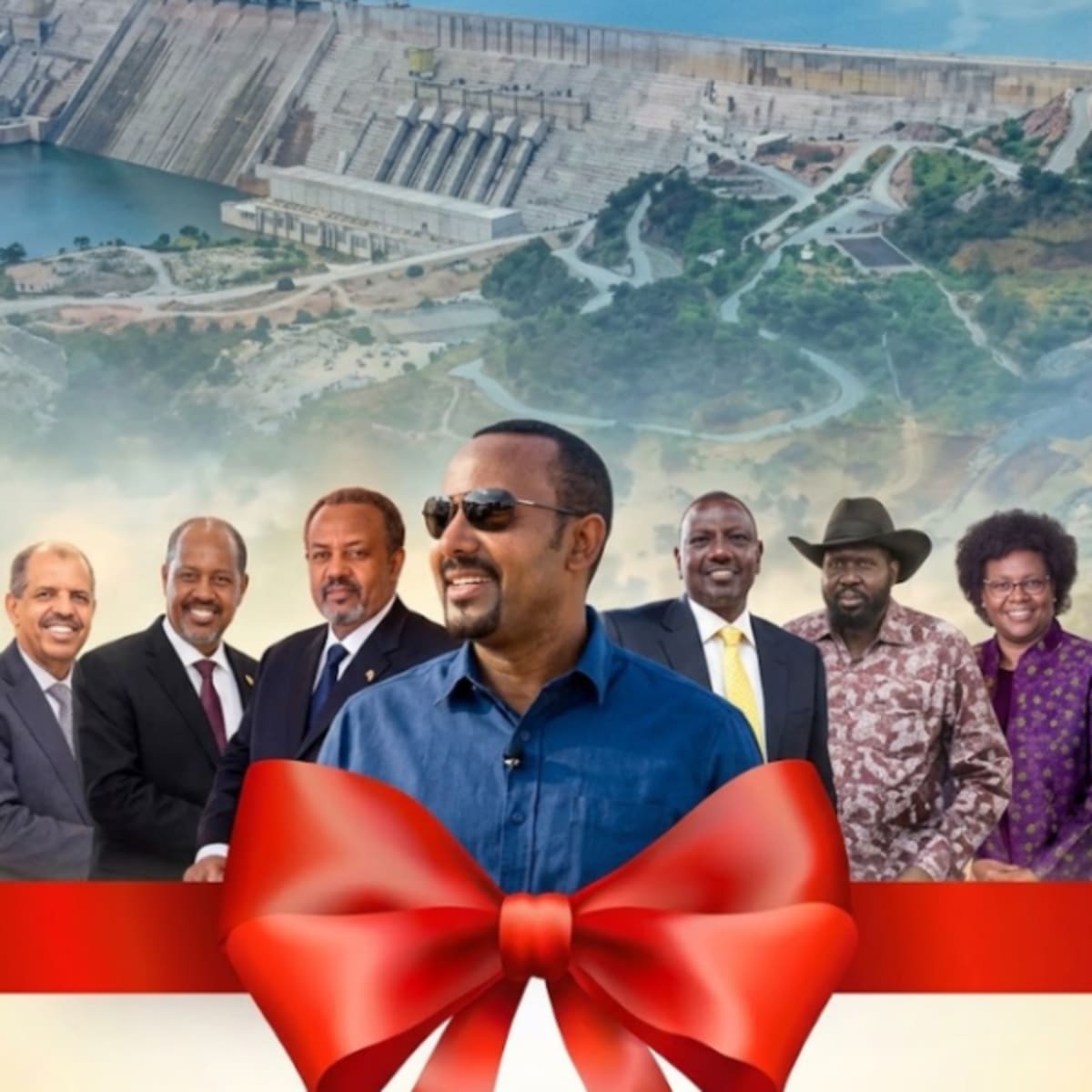
Ethiopia Builds Energy Grid Connecting 5 African Nations
Ethiopia is connecting its neighbors to clean hydropower through new cross-border transmission lines, turning political borders into economic bridges. The ambitious infrastructure push aims to bring affordable electricity to millions across the Horn of Africa.
Ethiopia is wiring up the Horn of Africa with a network of power lines that could light up five countries and transform one of the world's most fragile regions into an energy hub.
Under Prime Minister Abiy Ahmed's regional integration vision, Ethiopia has spent the past few years building massive cross-border electricity connections with Kenya, Sudan, Djibouti, Somalia, and South Sudan. The goal is simple: share Ethiopia's abundant hydropower with neighbors who desperately need it, while building economic ties that make cooperation more valuable than conflict.
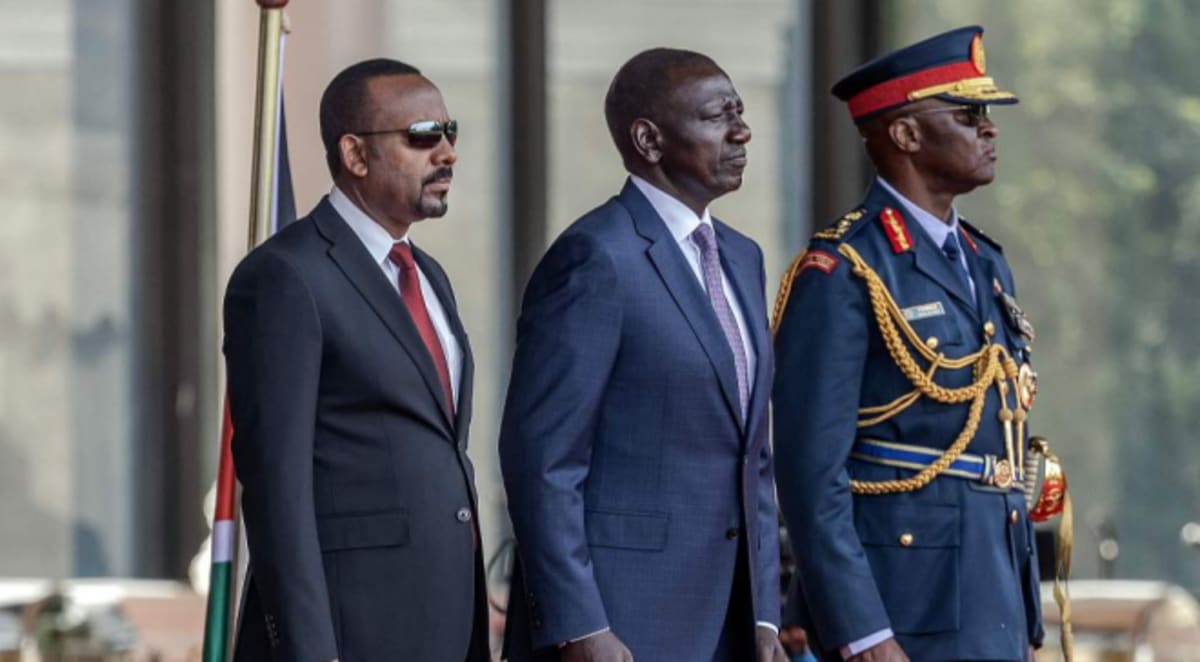
The flagship project, the Ethiopia-Kenya Electricity Interconnector, already runs from Sodo through Moyale to Suswa, enabling power trade across Kenya and eventually reaching Tanzania and Uganda. It's the kind of infrastructure that doesn't just move electrons. It moves economies forward.
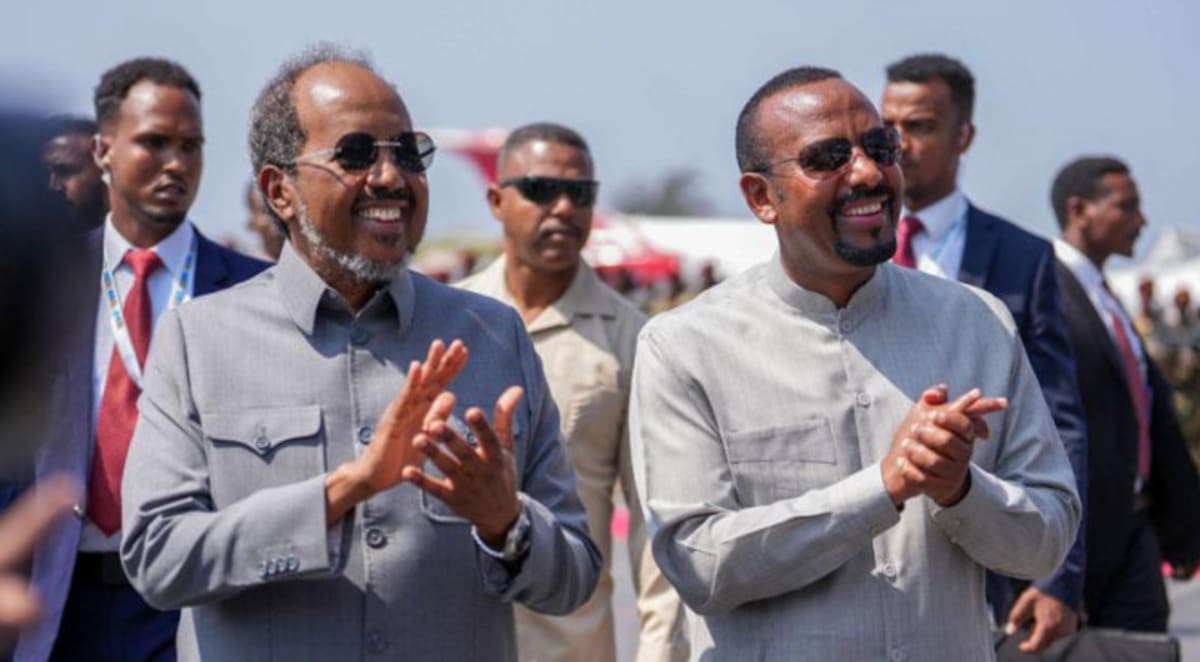
Sudan has been importing Ethiopian electricity for years, with capacity set to expand significantly. Djibouti has relied on Ethiopian hydropower since 2011, reducing its energy costs and carbon footprint. Now Somalia is joining the grid too, with World Bank-backed transmission lines planned through three border points at Doolow, Wajaale, and Goldogob.
South Sudan presents perhaps the most dramatic opportunity. Most of the oil-rich nation remains off-grid, but Ethiopian interconnection efforts are advancing to bring power to communities that have never had reliable electricity.
The Ripple Effect goes far beyond keeping the lights on. Cross-border energy networks create mutual dependence that makes conflict costlier and cooperation more profitable. When countries share power grids, they have practical reasons to maintain stable relationships and open borders.
Ethiopia isn't stopping at electricity. New roads like the Paloich-Maiwut-Pagak highway connect South Sudan's oil fields to Ethiopian transport corridors and onward to the Port of Djibouti. Improved border crossings at Moyale are speeding trade with Kenya. These projects turn isolated national economies into an integrated regional market.
The approach reflects Ethiopia's Medemer philosophy, which translates roughly as "synergy" or "addition." The idea is that neighbors working together create something bigger than the sum of their parts. In a region plagued by droughts, conflicts, and political instability, that kind of thinking offers a practical path forward.
Clean energy exports also position Ethiopia as a continental climate leader while generating revenue to fund domestic development. It's a rare win for everyone involved.
The Horn of Africa has long been defined by its divisions, but these infrastructure projects are literally rewiring the region's future around connection instead of separation.
More Images


Based on reporting by Regional: ethiopia development (ET)
This story was written by BrightWire based on verified news reports.
Spread the positivity!
Share this good news with someone who needs it