Ethiopia Charts Path to Universal Electricity by 2035
Ethiopia is bringing 65 million people closer to reliable power with an ambitious national plan that could light up every home by 2035. The country's newest electrification roadmap combines innovative technology with public and private partnerships to close the gap for 35% of households still living without electricity.
Imagine a country deciding that every single household deserves reliable electricity, then actually mapping out how to make it happen within a decade.
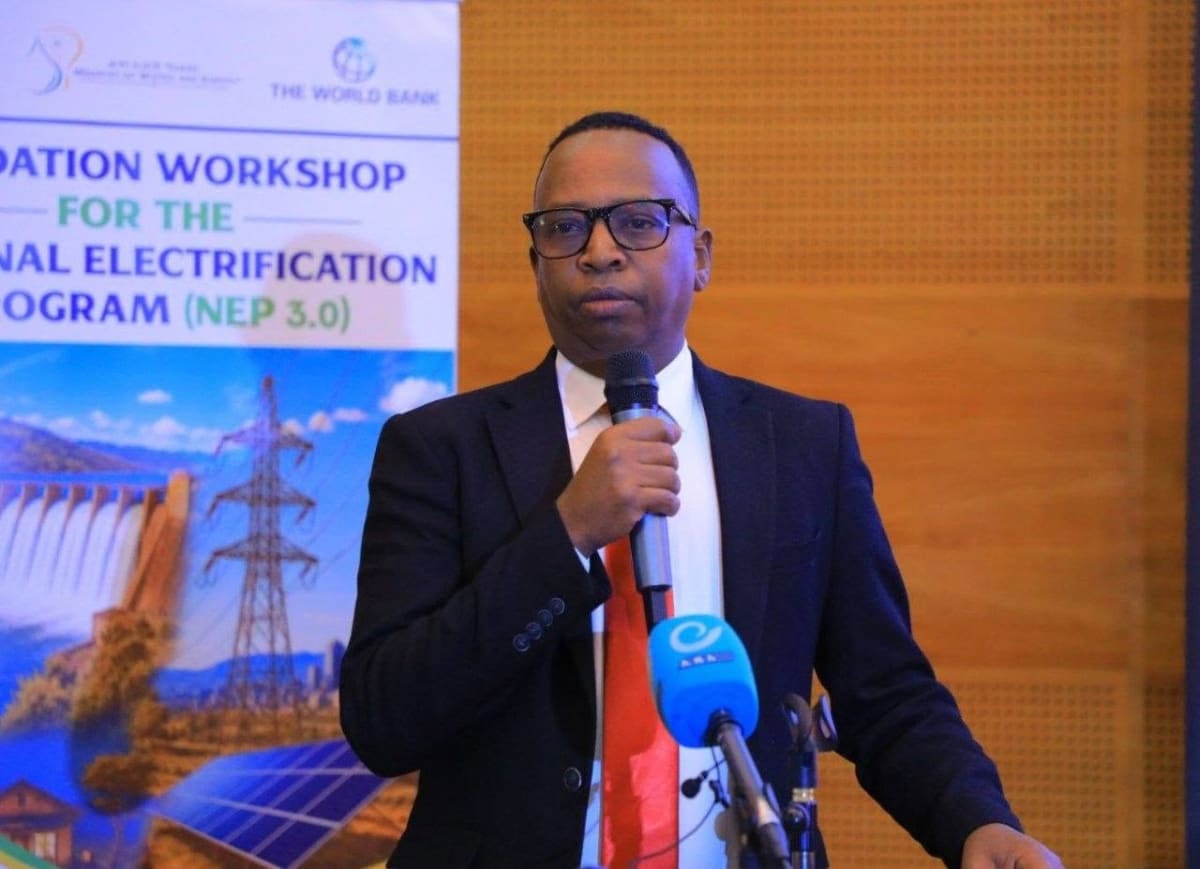
Ethiopia just advanced exactly that vision. Government officials, development partners, and private companies gathered in Addis Ababa this week to finalize NEP 3.0, the nation's third National Electrification Program designed to bring universal power access to all Ethiopians by 2035.
The stakes couldn't be higher. About 65% of Ethiopia's 120 million people now have electricity, but that leaves roughly 42 million still in the dark. Rural communities face the biggest gaps, creating unequal opportunities for education, healthcare, and economic growth.
State Minister of Water and Energy Sultan Welle framed the challenge clearly at the consultation forum. "Reliable, affordable and sustainable electricity is not merely an infrastructure objective," he said. "It is the foundation for economic transformation, improved livelihoods and inclusive social development."
Ethiopia has already proven it can deliver on big energy promises. Over the past two decades, the country dramatically expanded its electricity network, connecting thousands of towns and villages while investing heavily in hydroelectric dams, wind farms, solar installations, and geothermal projects.
Now NEP 3.0 takes a smarter approach. The program uses advanced mapping technology to figure out the cheapest, most efficient way to get power to every community. Some areas will connect to the main electrical grid. Others will get mini-grids or standalone renewable systems tailored to their specific needs.
The plan also tackles the behind-the-scenes challenges that often derail infrastructure projects. It focuses on reducing power losses, improving service quality, making the system financially sustainable, and getting different government agencies to coordinate better.
The Ripple Effect
When entire nations gain electricity access, the benefits cascade across society in remarkable ways. Children can study after dark. Clinics can refrigerate vaccines and run modern equipment. Small businesses can operate longer hours and use electric tools. Farmers can pump water and process crops more efficiently.
Ethiopia's approach shows how developing nations can leapfrog older, polluting technologies by investing directly in renewable energy infrastructure. The country is betting that combining public investment with private sector innovation and international support can close the access gap faster than traditional methods.
The World Bank and other development partners are backing the strategy, recognizing that universal electricity access serves as a springboard for wider economic development and poverty reduction.
With careful planning and strong partnerships, Ethiopia is turning an ambitious goal into a concrete roadmap that could transform millions of lives before the next decade ends.
More Images
Based on reporting by Regional: ethiopia development (ET)
This story was written by BrightWire based on verified news reports.
Spread the positivity!
Share this good news with someone who needs it