California's Battery Storage Boom Powers Clean Energy Future
California just flipped on its first eight-hour battery storage facility, a game-changer that keeps solar power flowing long after sunset. Community-led energy groups are outpacing big utilities by delivering 73% renewable electricity to residents.
California's Community Choice Aggregators are proving that local control can supercharge the clean energy revolution, and three breakthrough battery projects show exactly how they're doing it.
Since Marin Clean Energy launched as the state's first Community Choice Aggregator in 2010, these local government-run energy providers have been quietly outperforming the big utility companies. The results speak for themselves: 73% of their electricity now comes from renewable sources, more than double the 35% that traditional utilities delivered in the same period.
The star of the show is the Tumbleweed Energy Storage facility in Kern County, which just became California's first eight-hour battery system. The massive 125-megawatt facility can store 1,000 megawatt-hours of clean energy, enough to power thousands of homes through the critical evening hours when solar panels go dark but demand stays high.
Eight community energy groups across Northern California will tap into Tumbleweed's stored sunshine. The facility acts as a bridge, capturing renewable energy when it's abundant and releasing it precisely when families need it most: dinnertime, homework hours, and bedtime.
"Long-duration storage projects like Tumbleweed are critical to delivering on that commitment," said Howard Chang, CEO of Ava Community Energy, one of the project partners. His organization serves Alameda and San Joaquin counties as a not-for-profit public agency.
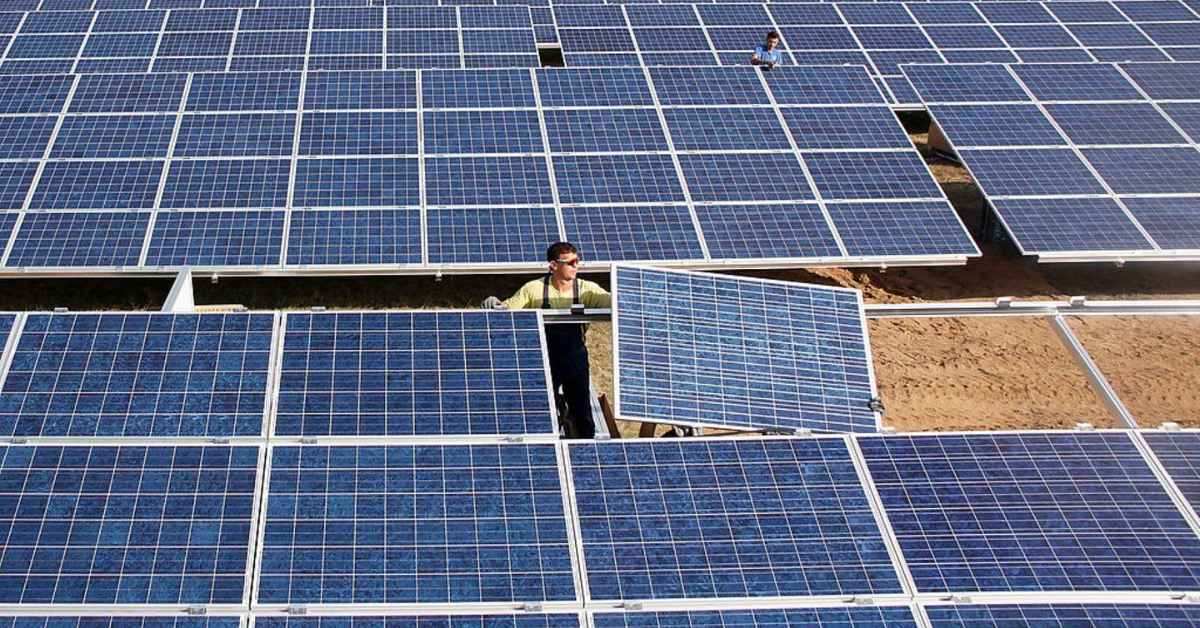
Meanwhile, Sonoma Clean Power celebrated its own milestone with the Redemeyer Road Solar project. The 4-megawatt system combines solar panels with 16 megawatt-hours of battery storage, generating enough electricity for 1,739 homes annually.
What makes this moment special isn't just the technology. It's who's making it happen: local governments choosing clean energy on behalf of their communities, then delivering results that embarrass the old utility model.
The Ripple Effect
Community Choice Aggregators now serve 36% of California's total energy customers within traditional utility territories, but their impact goes far beyond those numbers. By prioritizing renewable energy procurement, they're pulling the entire state toward its clean energy goals faster than anyone expected.
None of the community energy groups delivered less than 40% renewable electricity in 2024. CleanPowerSF topped the charts at 90% renewables, showing what's possible when local control meets climate ambition.
The California Public Utilities Commission took notice, celebrating Tumbleweed as proof that the state's ambitious renewable goals are actually achievable. Executive Director Leuwam Tesfai praised the collaboration between developers, utilities, community groups, and regulators.
These battery systems solve renewable energy's biggest challenge: the sun and wind don't follow our schedules. Eight-hour batteries bridge that gap, keeping clean electrons flowing from afternoon sunshine into evening peak demand.
The transformation is happening in real time. Every new battery project means fewer natural gas plants firing up at dinnertime, fewer emissions darkening California skies, and more proof that community-led solutions can outpace corporate utilities.
More Images

Based on reporting by Google News - Clean Energy
This story was written by BrightWire based on verified news reports.
Spread the positivity!
Share this good news with someone who needs it