Ethiopia Chooses Ballot Box Over Bullets for Democracy
After 120 years of violent regime changes, Ethiopia is pioneering a new path to lasting democracy through regular elections instead of armed struggle. This peaceful approach could finally deliver the stable government and peace Ethiopians have sought for generations.
For more than a century, Ethiopia changed governments the hard way: through coups, armed rebellions, and mass protests that cost countless lives and destroyed communities. Now, a groundbreaking policy brief from the Institute of Foreign Affairs argues the country has found a better way forward.
Ethiopia's political history reads like a cycle of upheaval. The 1974 revolution toppled an emperor, armed struggles ended the Derg regime in 1991, and youth protests in 2018 forced another government transition. Each change brought momentary hope but failed to create lasting democracy, peace, or development.
The pattern revealed a troubling truth. Violence might remove leaders, but it cannot build the foundations democracy needs: compromise, tolerance, dialogue, and trust in institutions. Every coup and rebellion reinforced a political culture where power came from guns, not votes.
The new analysis shows why this matters. For 60 years, Ethiopian students demanded three things: peace, democracy, and development. Despite multiple regime changes, those goals remain unfulfilled because the method of change itself was the problem.
Armed struggles and protests excel at ending authoritarian rule. But they create what comes next through force and exclusion, breeding the same authoritarian habits they sought to destroy. Democratic systems require different muscles: negotiation skills, respect for opposition voices, and faith in gradual institutional progress.
The Ripple Effect
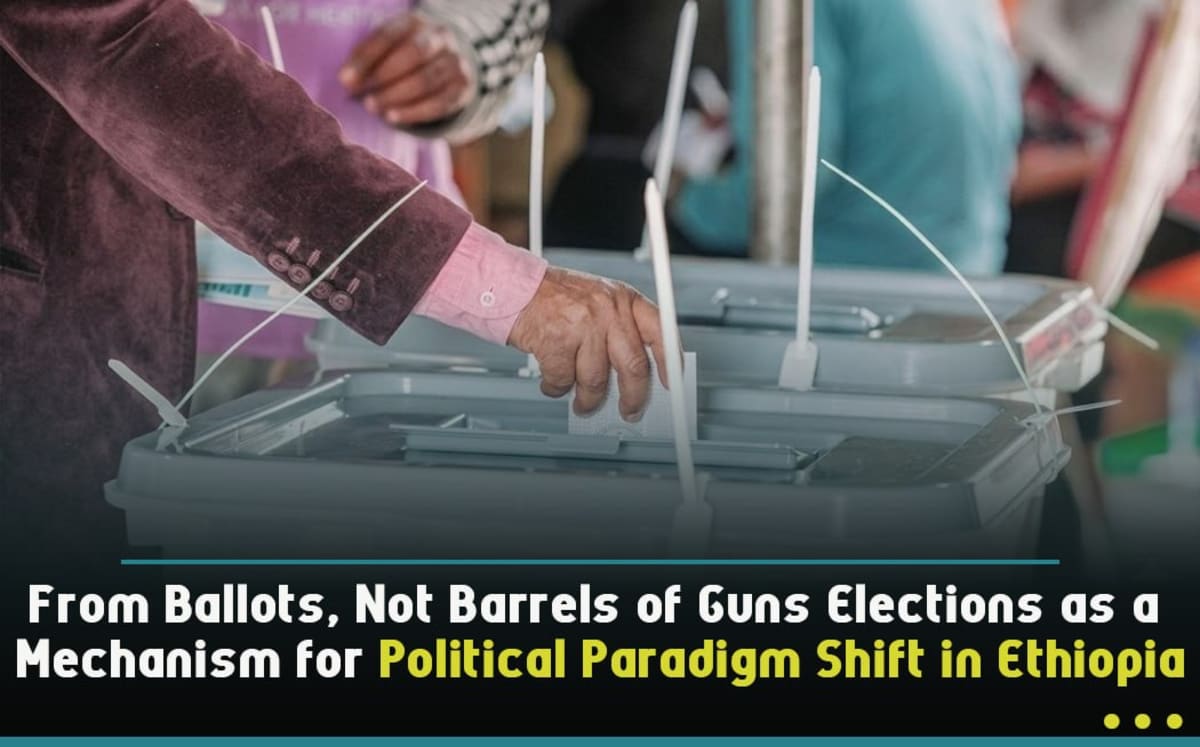
Ethiopia's shift toward credible, inclusive elections represents more than changing how one country picks leaders. It models a transformation from what the brief calls "barrels of guns" to "ballots" for the entire Horn of Africa region.
Regular electoral practice builds democratic muscle memory. Meeting halls replace battlefields as the arena for political competition. Former enemies learn to become loyal opposition rather than existential threats. Civic engagement grows stronger than militarized confrontation.
This approach trades the dramatic single blow of revolution for the steady compound interest of democratic habit. Each peaceful election, even imperfect ones, strengthens institutions and normalizes consent-based governance over coercion.
The change won't happen overnight. Building democratic political culture takes time, just as learning any new skill does. But unlike violent transitions that destroy institutional memory, elections preserve and strengthen the systems that make stable governance possible.
Ethiopia's 120-year struggle shows that sustainable peace and development cannot be seized by force—they must be built through patient, repeated democratic practice that teaches an entire nation new ways of sharing power.
Based on reporting by Regional: ethiopia development (ET)
This story was written by BrightWire based on verified news reports.
Spread the positivity!
Share this good news with someone who needs it