Ethiopia Cuts Harness Wounds for 13M Working Horses
Scientists used 3D printing and community workshops to redesign harnesses that were injuring millions of working horses and donkeys in Ethiopia. The practical solutions are helping protect animals that provide income for families living in poverty.
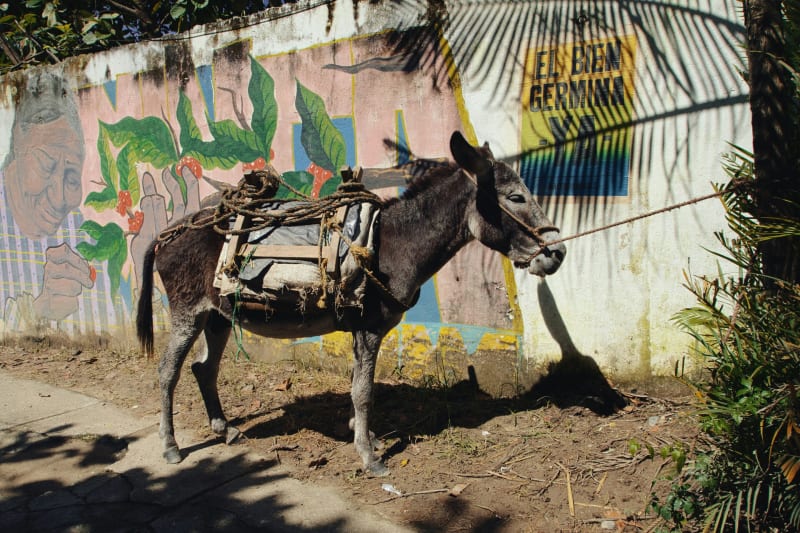
In Ethiopia, 13 million working horses and donkeys form the backbone of rural economies, but two-thirds of them suffer painful wounds from poorly designed harnesses.
Researchers from the University of Melbourne and Addis Ababa University spent 16 years studying working animals across 14 countries and discovered harness injuries were the biggest health problem these vital workers faced. These animals plow fields, transport crops, collect water, and even provide taxi services for communities where one-third of people live in poverty.
The problem went beyond money. Cart drivers told researchers they never received formal training on how to properly fit harnesses, relying instead on guesswork and intuition passed down informally.
"My donkey's health is my health," one community member explained to the research team. When an animal can't work because of painful wounds, entire families lose their income source.
The team mapped exactly which harness parts caused the most damage. Inadequate saddle padding, poorly fitted blinkers, and missing swingle trees created constant rubbing that led to open wounds on animals working seven days a week.
The Ripple Effect
The researchers didn't just identify problems. They brought solutions directly to the communities that needed them most.
The team organized workshops where they used 3D printing technology to create improved harness designs that local craftspeople could replicate with affordable materials. They worked alongside cart drivers and community representatives to develop equipment that actually fit the animals properly and prevented injuries.
These working animals do more than support incomes. They reduce human injuries from carrying heavy loads, provide natural fertilizer for farms, and lower carbon emissions by reducing reliance on machinery that degrades soil.
The animals also play important cultural roles in weddings, funerals, and festivals. Their wellbeing connects directly to community health through what scientists call "One Health" links, recognizing that animal, human, and environmental health are all intertwined.
By teaching proper harnessing techniques and providing access to better equipment designs, the project is protecting millions of animals while strengthening the livelihoods they support. The practical training gives cart drivers the knowledge their communities never had access to before.
This combination of technology, traditional knowledge, and community partnership is creating lasting change for both the animals and the people who depend on them.
More Images


Based on reporting by Phys.org
This story was written by BrightWire based on verified news reports.
Spread the positivity!
Share this good news with someone who needs it