Ethiopia Cuts Irrigation Water Use by 40% for Cotton Farms
Ethiopian researchers have cracked the code on growing cotton with 40% less water while keeping yields strong. New seeds, smarter irrigation timing, and digital water tracking are helping farmers survive unpredictable rains and supply the country's growing textile industry.
Cotton farmer Debalkie Abate can no longer trust the rains that once told him when to plant. But scientists in Ethiopia are giving him something better: tools to grow crops even when the weather refuses to cooperate.
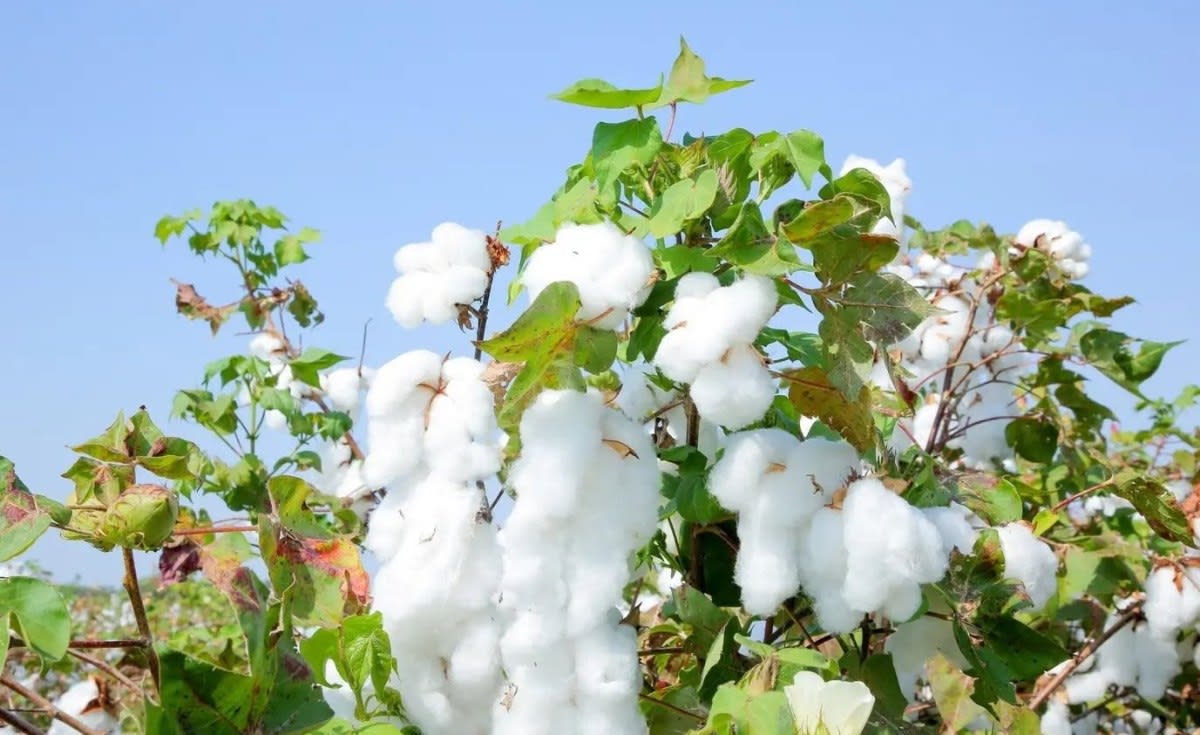
Across Ethiopia's cotton-growing lowlands, researchers have discovered that three carefully timed waterings can produce the same harvest as constant irrigation while using 40% less water. The secret isn't using more water but applying it at exactly the right moments: when seeds are planted, flowers bloom, and cotton bolls form.
The timing couldn't be more critical. Ethiopia's weather has become increasingly unpredictable, with rains arriving late or stopping too soon for farmers who once relied on seasonal patterns passed down through generations.
At the Werer Agricultural Research Center in Afar, scientists have developed improved cotton varieties that can handle heat, drought, and pests while producing the high-quality fiber that textile factories need. The challenge now is getting these seeds into farmers' hands, something limited funding and staff shortages have slowed.
Digital technology is also joining the fight. The International Water Management Institute recently used satellite mapping and field sensors to discover why the Amibara irrigation scheme was operating at just 32% efficiency. Leaky canals, poor water distribution, and aging infrastructure were stealing precious water before it reached crops.
The Ripple Effect
This work matters beyond individual farms. Ethiopia's textile industry depends on locally grown cotton, and reliable supplies could strengthen the entire manufacturing sector. When farmers can count on their harvests despite changing weather, factory jobs become more secure and communities grow more stable.
The solutions are also spreading. In April 2026, Ethiopia shared its lessons on digital farming tools and cluster-based approaches at a major agricultural retreat. The African Union has called for similar climate-smart tools to reach smallholder farmers across the continent, particularly women who often have the least access to new technology.
Simple improvements like canal lining, better furrows, and low-cost soil moisture sensors could help farmers produce more with existing water supplies. Seasonal weather forecasts delivered to farmers' phones before planting season can guide decisions about when to sow and when to irrigate.
For Abate and thousands of farmers like him, these aren't abstract research findings. They're lifelines that could mean the difference between a failed harvest and a thriving crop when the rains don't come.
Ethiopia is proving that adaptation doesn't always require massive infrastructure projects: sometimes smarter timing, better information, and the right seeds can help communities thrive despite an unpredictable climate.
Based on reporting by Google News - Climate Solution
This story was written by BrightWire based on verified news reports.
Spread the positivity!
Share this good news with someone who needs it