South Korea Doubles Farm Solar Budget to $1.3 Billion
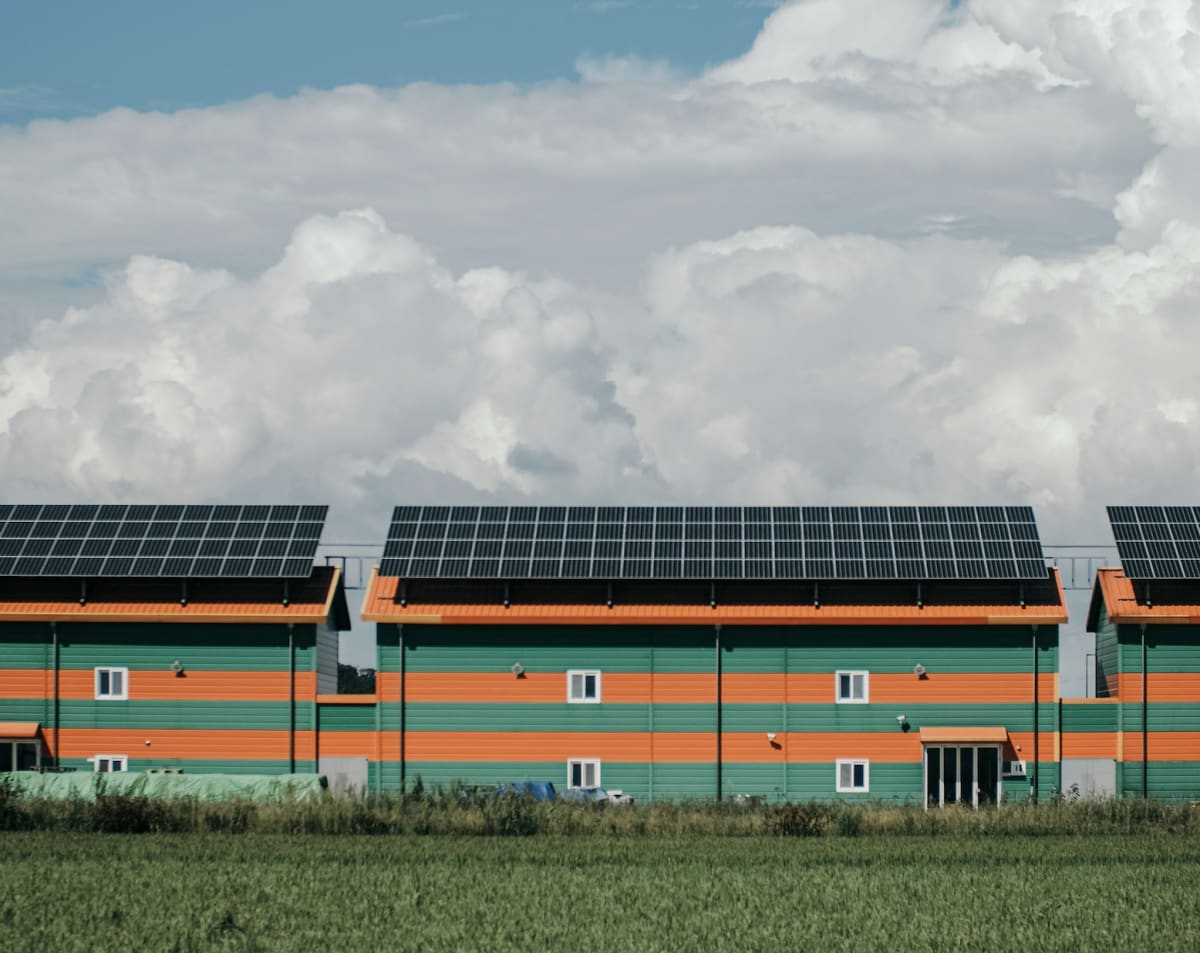
South Korea is pouring $1.3 billion into agrivoltaics in 2027, double this year's budget, helping farmers grow crops and clean energy on the same land. The investment will expand solar cooperatives from 700 rural villages to 2,200, creating new income streams for farming communities.
South Korea just made a billion-dollar bet that farmers can feed their communities while powering them too.
The country's agriculture ministry announced it will double its 2027 budget for agrivoltaics to 1.8 trillion won (about $1.3 billion USD). The technology lets farmers grow crops underneath elevated solar panels, turning the same plot of land into both a farm and a power plant.
The funding jump represents a 100% increase from 2026's budget. Vice Minister Kim Jong-gu unveiled the plan following a September Cabinet meeting, calling it a major step toward sustainable rural development.
The most exciting part? The Solar Income Villages program will explode from 700 to 2,200 communities in a single year.
Under this program, rural villages form cooperatives to install solar panels on idle land they already own. They operate the systems together and share the revenue, creating new income sources for communities that have struggled economically for decades.
The government is sweetening the deal with a new guarantee scheme to help these cooperatives secure financing. An additional $1 million will fund education programs teaching farmers how the technology works and how to participate.
South Korea passed its first dedicated agrivoltaics law in May 2024, which takes effect this December. The law treats these installations as temporary farmland use for up to 23 years and only counts the footprint of the panel support structures as converted land. The cultivated soil beneath the panels stays classified as farmland.
The country is starting small but thinking big. As of August 2026, only about 537 kilowatts of agrivoltaic systems were actually operating, with roughly 1.3 megawatts under construction.
The most advanced community project right now is a 1-megawatt cooperative installation in Anseong that broke ground in July. Meanwhile, developers are building a massive 10-megawatt agrivoltaic array as part of the 400-megawatt Haenam solar complex, South Korea's largest solar project ever, set to finish in 2028.
The Ripple Effect
This investment could reshape rural Korea. Farming communities have faced declining populations and incomes as young people move to cities for work. Solar cooperatives offer a lifeline: steady renewable energy revenue while maintaining food production on the same land.
The model also addresses South Korea's clean energy goals without sacrificing precious farmland. In a mountainous country where flat agricultural land is limited, growing food and generating power simultaneously makes economic and environmental sense.
Other nations struggling with the same challenge are watching closely. If South Korea's experiment succeeds, it could provide a blueprint for countries worldwide trying to balance food security with climate action.
A billion-dollar investment in letting the sun power both crops and communities? That's what farming the future looks like.
More Images


Based on reporting by PV Magazine
This story was written by BrightWire based on verified news reports.
Spread the positivity!
Share this good news with someone who needs it