Ethiopia Fossil Find Reveals Human Ancestors Lived Together
Scientists discovered fossils showing two different human ancestor species shared the same landscape in Ethiopia nearly 3 million years ago. The find proves human evolution wasn't a simple progression but a complex family tree with multiple relatives living side by side.
Human evolution just got a lot more interesting, and the story is written in 13 ancient teeth from Ethiopia.
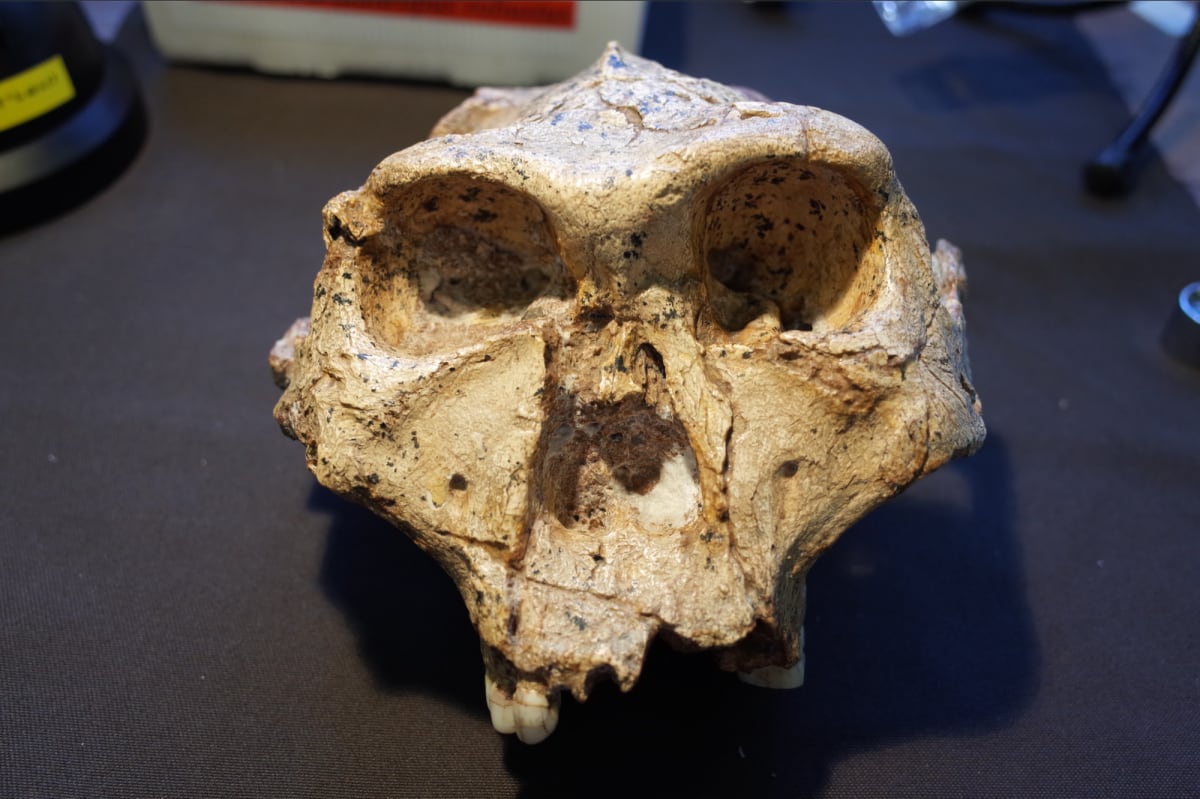
Scientists working at Ethiopia's Ledi Geraru site have discovered fossils proving that early Homo and a mysterious Australopithecus species lived together between 2.6 and 2.8 million years ago. The find shatters the old textbook image of human evolution as a simple march from ape-like creatures to modern humans.
"This new research shows that the image many of us have in our minds of an ape to a Neanderthal to a modern human is not correct," said Arizona State University paleoecologist Kaye Reed. "Human evolution is not linear, it's a bushy tree."
The fossil teeth tell a remarkable story. Researchers identified specimens from both early Homo (our direct ancestors) and an unknown Australopithecus species that hasn't been found anywhere else. The teeth are distinct enough to prove these weren't the same species, yet they were buried in the same ancient sediments.
This wasn't the first groundbreaking discovery at Ledi Geraru. In 2013, the same research team found a 2.8 million year old jaw from the earliest known Homo specimen. The site has also produced Earth's oldest known stone tools.
Dating fossils millions of years old requires volcanic help. Ethiopia's landscape experienced eruptions that spread ash containing feldspar crystals across the region. Scientists can date these crystals to pinpoint when eruptions happened, then date fossils found between ash layers.
"We are dating the volcanic ash of the eruptions that were happening while they were on the landscape," explained ASU geologist Christopher Campisano.
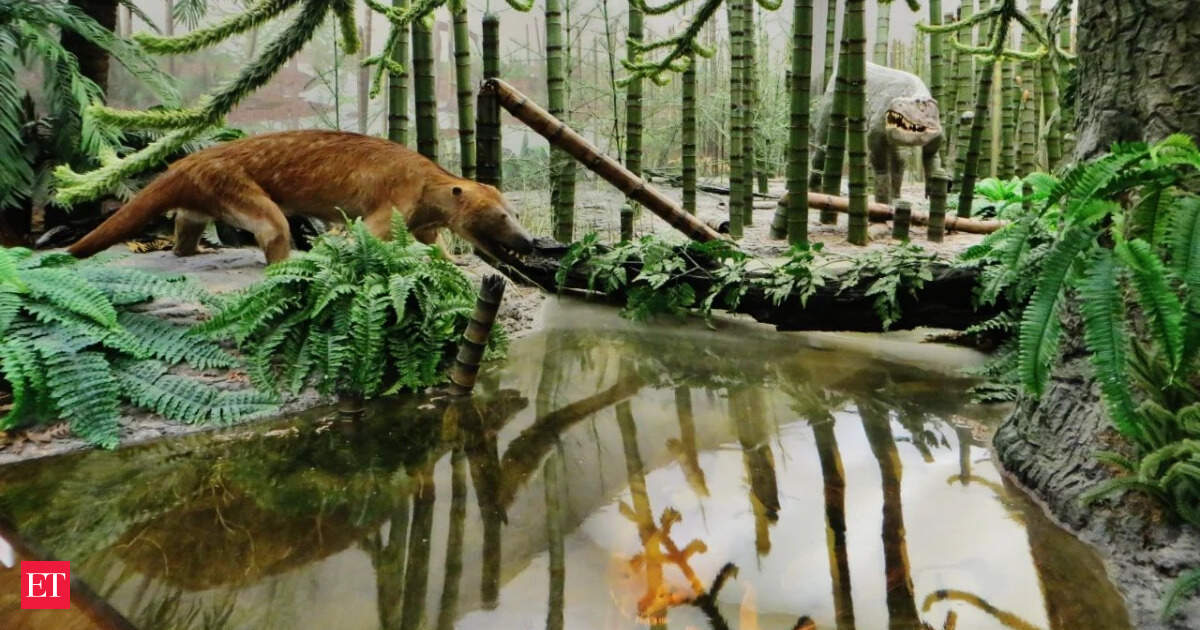
The volcanic timeline does more than assign ages. It helps scientists rebuild the world these ancient relatives inhabited. Between 2.6 and 2.8 million years ago, the area looked nothing like today's rugged badlands. Ancient rivers crossed greener environments, feeding shallow lakes that expanded and shrank over time.
Why This Inspires
This discovery reminds us that nature loves diversity and experimentation. Multiple human ancestor species found ways to share the same landscape, possibly by eating different foods or using different habitats. The ancient world had room for variety, and that variety ultimately led to us.
The mysterious Australopithecus species remains unnamed for now. Scientists need more fossil material before they can formally identify it and understand its place in our family tree. But each new discovery adds branches to the human story, making it richer and more complex than we imagined.
Lead author Brian Villmoare emphasized the importance of continued exploration. "We know what the teeth and mandible of the earliest Homo look like, but that's it," he said. Future finds will help explain how different species overlapped and survived together.
The Ethiopian landscape still holds countless secrets waiting to be uncovered, each one adding color and detail to the story of where we came from.
Based on reporting by Science Daily
This story was written by BrightWire based on verified news reports.
Spread the positivity!
Share this good news with someone who needs it