Scientists Link 400,000-Year-Old Human Ancestor to Us
For the first time ever, researchers have sequenced genetic material from Homo erectus fossils, revealing surprising connections between our ancient ancestors and modern humans. The breakthrough opens a new window into human evolution using proteins that survive far longer than DNA.
Scientists just achieved something that seemed impossible: they've decoded genetic information from fossils of Homo erectus, our ancient ancestor who lived 400,000 years ago.
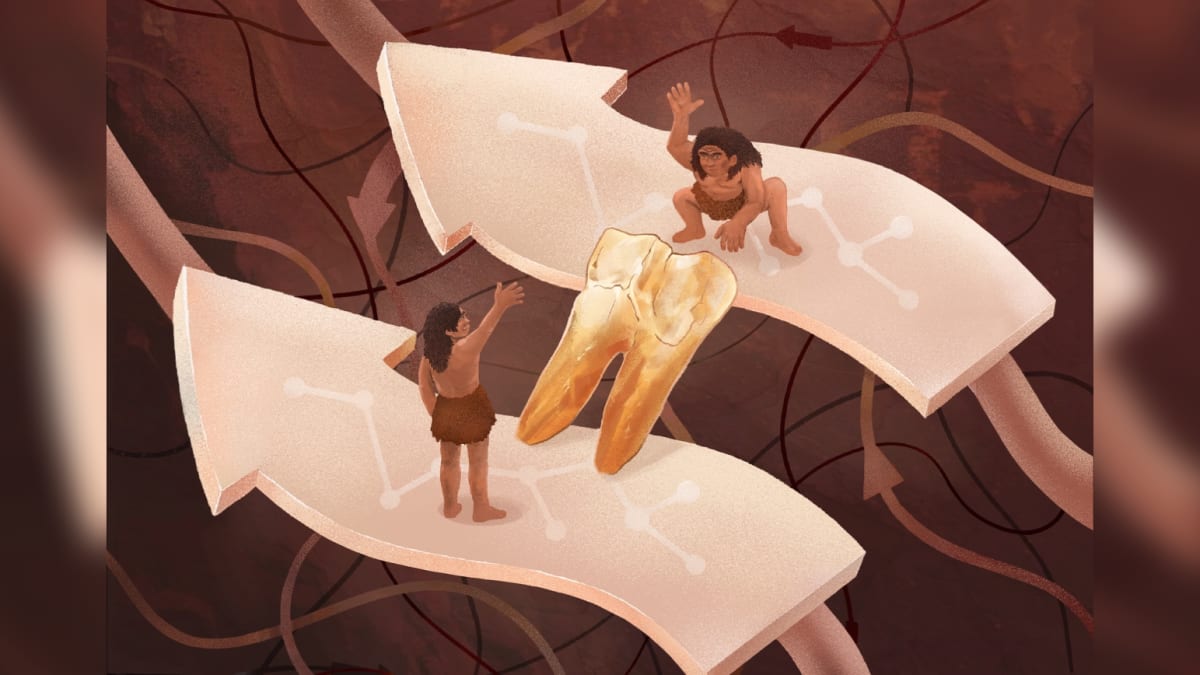
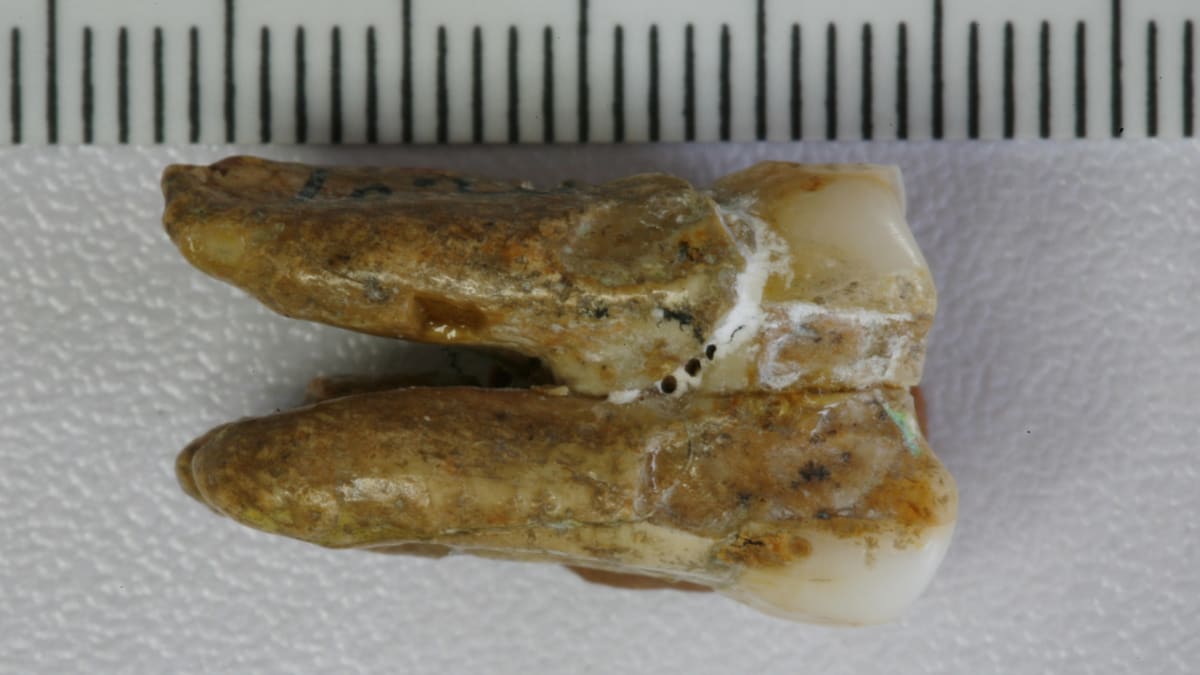
Researchers analyzed dental enamel from six H. erectus skeletons discovered in China, extracting 11 different proteins and identifying hundreds of amino acid positions. What they found has rewritten part of our family tree.
Two amino acid variants stood out. One appeared in all six H. erectus individuals but nowhere else in the human family. The other showed up in H. erectus, in Denisovans (a mysterious group of ancient humans), and in some modern human populations today.
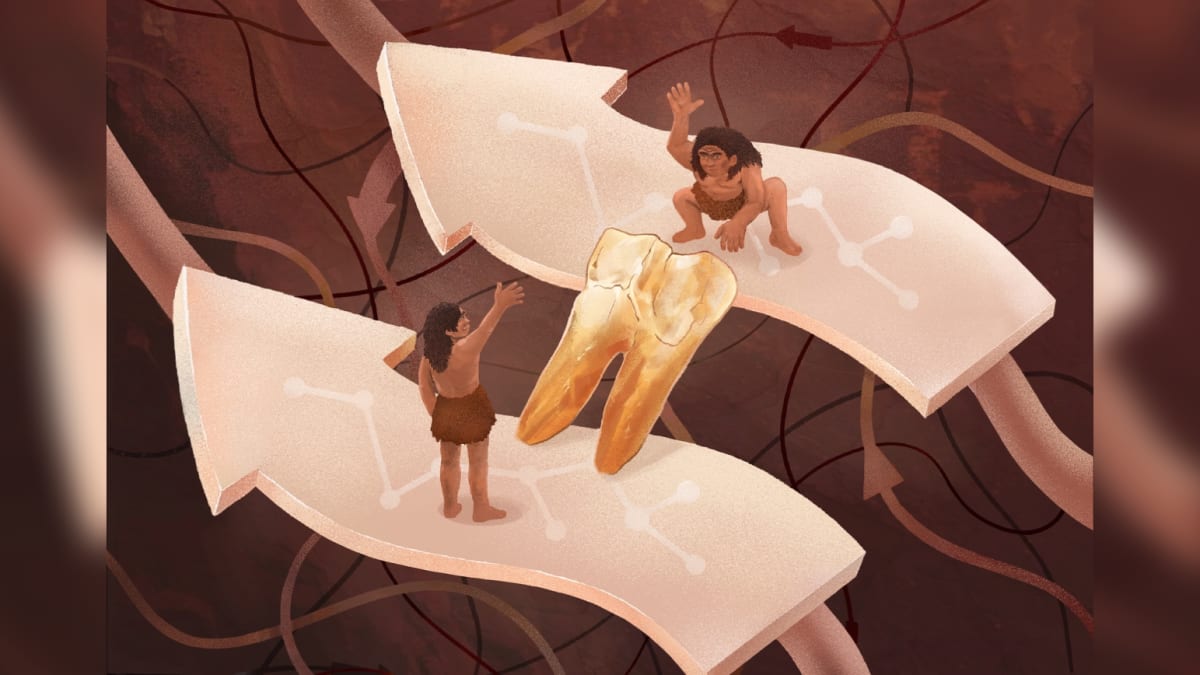
This shared variant tells a remarkable story. It passed from H. erectus to Denisovans, then from Denisovans to some groups of Homo sapiens through interbreeding tens of thousands of years ago. We literally carry pieces of our ancient ancestors inside us.
The research marks the first time scientists have shown "deep genetic links" between H. erectus and present-day humans. It also represents a major win for paleoproteomics, a relatively new technique that lets researchers study genetic material lasting much longer than DNA.
H. erectus deserves its place in history. As the earliest human ancestor to leave Africa, this species successfully spread across Europe, Asia and Oceania starting 1.8 million years ago. With relatively large brains and the ability to craft complex stone tools, H. erectus lasted longer than any other human ancestor before disappearing around 108,000 years ago.
DNA breaks down over time, making it impossible to sequence from H. erectus fossils. But proteins stick around much longer, giving scientists a new tool to explore our deepest past.
Why This Inspires
This breakthrough changes how we understand human evolution. Instead of separate species evolving in isolation, we now see a complex web of connections spanning hundreds of thousands of years.
Paleoanthropologist John Hawks, who wasn't involved in the study, calls the old confusion about this time period "the muddle in the Middle Pleistocene." Now we know that muddling was actually mixing. Different groups of ancient humans overlapped, interbred, and shared their DNA across Africa, Europe and Asia.
The discovery proves that mixing between evolutionary branches shaped who we are today, reaching back even earlier than DNA evidence can show. Every new technique opens another chapter in the story of where we came from.
We're more connected to our ancient past than we ever imagined.
More Images

Based on reporting by Live Science
This story was written by BrightWire based on verified news reports.
Spread the positivity!
Share this good news with someone who needs it