Ethiopia Girls' Program Hits 99% Graduation Rate
In one of Ethiopia's most underserved regions, a six-year education project just helped nearly every girl complete high school and transition to university. The results are rewriting what's possible for girls' education in Africa.
Girls in Ethiopia's Benishangul-Gumuz region just shattered expectations, with 99.5% completing secondary school through a transformative education program that tackled barriers from safety to sanitation.
The U-GIRLS 2 Project, led by Cuso International, worked with girls in a region where education once seemed out of reach. In 2018, girls faced crushing domestic responsibilities, cultural taboos that prioritized boys' education, pervasive safety concerns including gender-based violence, and schools lacking basic sanitation for female students.
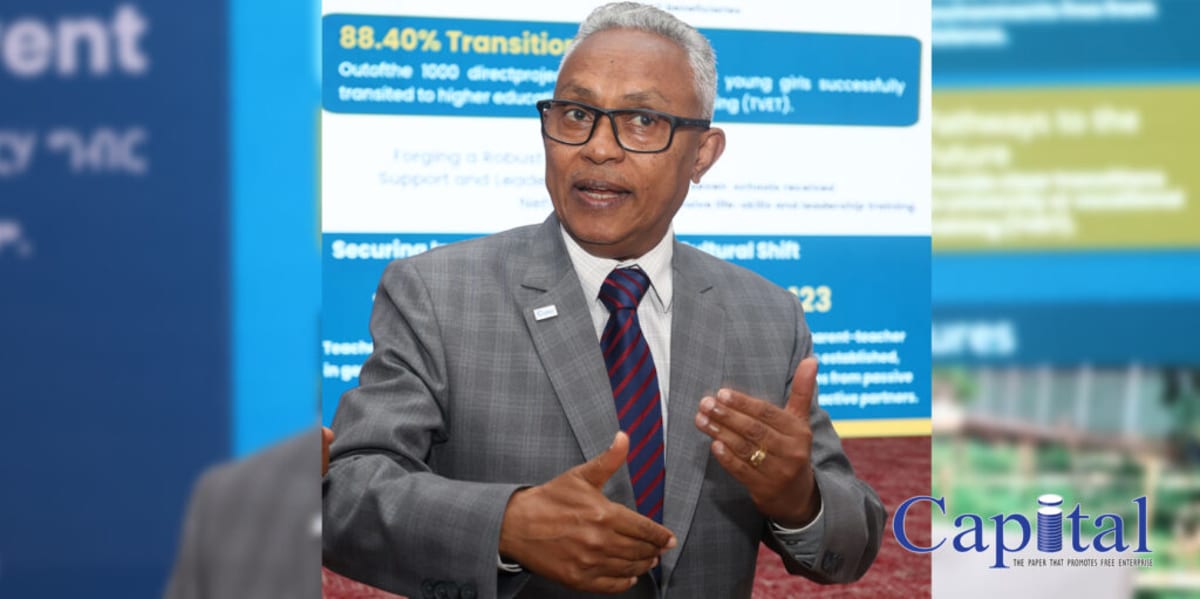
Six years and CAD 14.9 million later, the transformation is stunning. Not only did 99.5% of program participants complete secondary school, but 88.4% achieved grades high enough for university admission. In comparison areas without the program, only about half of students reached similar results.
The timing makes these wins even more remarkable. The project launched in June 2020, right as COVID-19 shut down schools across Ethiopia. Then conflict displaced thousands and disrupted education further. During the 2022 national exams, only 3.3% of all Ethiopian students achieved passing scores.
The program worked on three fronts: building girls' academic skills and leadership abilities, raising community awareness about the value of girls' education, and strengthening local education systems. Schools received combined desks, computers, solar panels, science kits, sanitary pads, and improved water and sanitation facilities.
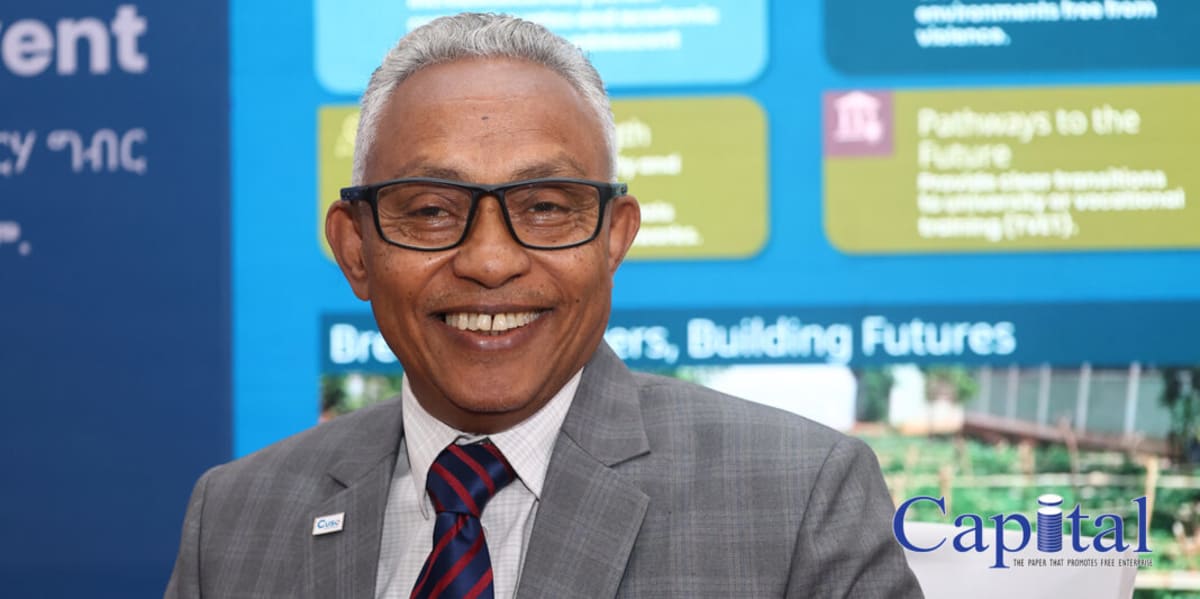
Wendwossen Kebede, who leads Cuso International in Ethiopia, says the real success shows in personal transformation. Girls who once felt invisible now see themselves as leaders and agents of change. Nearly all participants reported improved confidence and leadership abilities.
The Ripple Effect
The project reached over 28,000 students directly and touched roughly 700,000 people through schools and communities. Parents shifted too. Now 93% of parents and community members actively support girls pursuing higher education, a dramatic change in a region where traditional gender roles once kept girls home.
The investment built more than individual success stories. It created female role models in communities that had few, trained teachers who can continue the work, and proved that even in challenging circumstances, the right support can unlock potential.
These young women are now heading to universities and vocational programs, bringing new possibilities back to their communities. What started as an education project became a blueprint for transformation in one of Africa's most marginalized regions.
More Images


Based on reporting by Regional: ethiopia development (ET)
This story was written by BrightWire based on verified news reports.
Spread the positivity!
Share this good news with someone who needs it