Ethiopia Grants Work Rights to 1.1M Refugees
Ethiopia is pioneering a new approach to supporting refugees by offering them legal jobs, business permits, and access to national services instead of just temporary aid. Over 138,000 refugees have already enrolled in the country's digital ID system, unlocking banking, healthcare, and economic opportunities.
More than one million refugees in Ethiopia can now legally work, start businesses, and access the same services as citizens, a shift that's transforming how displaced people rebuild their lives.
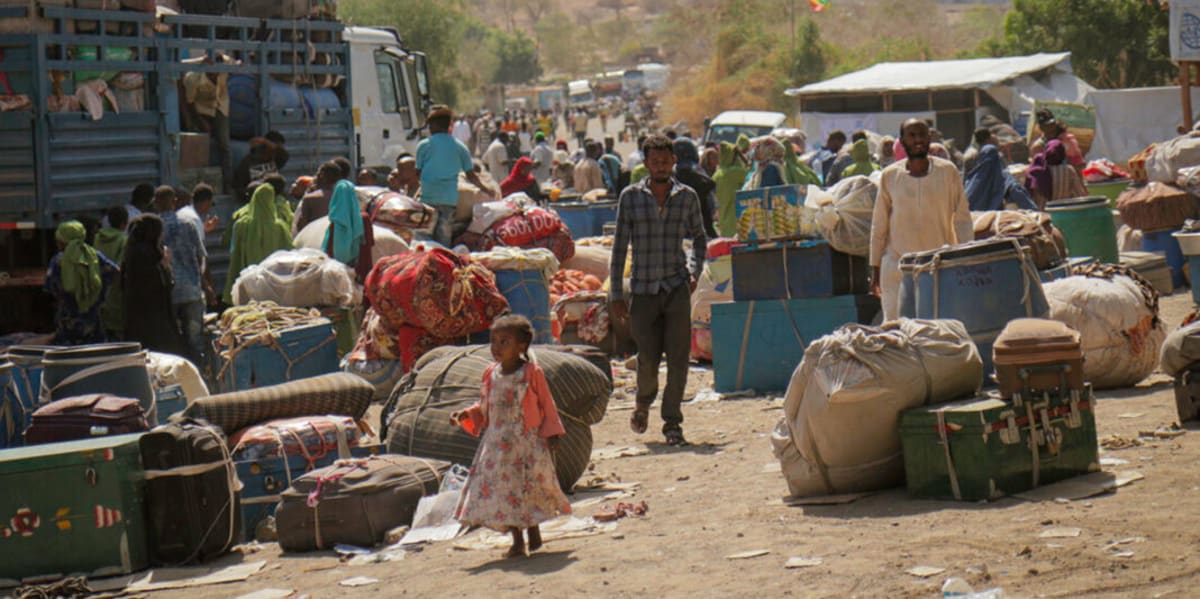
Ethiopia launched a $577.8 million plan in April 2026 to support 1.68 million refugees and host community members. The country hosts about 1.12 million refugees, primarily from South Sudan, Somalia, Eritrea, and Sudan, making it one of Africa's largest refugee hosts.
What makes this plan different is its focus on integration rather than emergency handouts. Ethiopia's 2024 "Right to Work Directive" grants refugees the legal right to seek formal employment and launch their own businesses, breaking the cycle of dependency that often traps displaced people in camps for years.
The results are already visible. More than 138,000 refugees have registered in Ethiopia's national digital ID system called FAYDA, which opens doors to banking accounts, mobile phone service, healthcare, and schools. These aren't special refugee programs but the same systems Ethiopian citizens use every day.
The new strategy, called the "Makatet" (Inclusion) Roadmap, prioritizes cash payments over food donations wherever local markets can support them. This approach gives refugees spending choices while boosting Ethiopia's economy through local purchases, creating a win for both displaced families and host communities.
The Ripple Effect
Ethiopia's progressive refugee policy is creating waves beyond its borders. By proving that integration can work at scale, the country is offering a blueprint for other nations struggling with displacement crises.
The model benefits host communities too. When refugees can work legally and spend money locally, they contribute to the economy rather than strain it. Small businesses gain customers, farms find workers, and entire regions see economic activity increase.
The plan faces real challenges, including a funding shortfall that may limit food distributions to just 60 percent of dietary needs without additional international support. Climate pressures like floods and droughts in regions such as Gambella threaten water supplies for both refugees and locals.
Still, Ethiopia's commitment to its open-door policy remains strong. The government and 38 humanitarian partners designed the plan around dignity and self-reliance, recognizing that people fleeing conflict need opportunities, not just charity.
The $577.8 million budget covers food security, protection services, climate-resilient housing to replace temporary tents, and health and water services. But the real investment is in treating refugees as future contributors rather than permanent dependents.
Ethiopia is showing the world that welcoming displaced people doesn't have to mean endless emergency aid, and that given the chance to work and build, refugees can thrive alongside their host communities.
More Images


Based on reporting by Regional: ethiopia development (ET)
This story was written by BrightWire based on verified news reports.
Spread the positivity!
Share this good news with someone who needs it