Ethiopia Lands $40M Climate Fund, Leads Green Economy Shift
Ethiopia is securing major climate funding and transforming its economy with electric vehicles, renewable energy, and recycling programs that are already delivering results. The country will host the world's climate summit in 2027, positioning Africa's most vulnerable region for breakthrough investments.
Ethiopia just launched a major climate resilience program that could bring $40 million in funding while its green economy transformation is already turning factories electric and putting over 111,000 EVs on the road.
The Climate Investment Funds unveiled its new ARISE program this week in Addis Ababa, opening applications for countries to receive up to $40 million each for climate resilience projects. Ethiopia is among the top contenders competing for an additional $250 million funding window, with only a handful of countries left in the final selection.
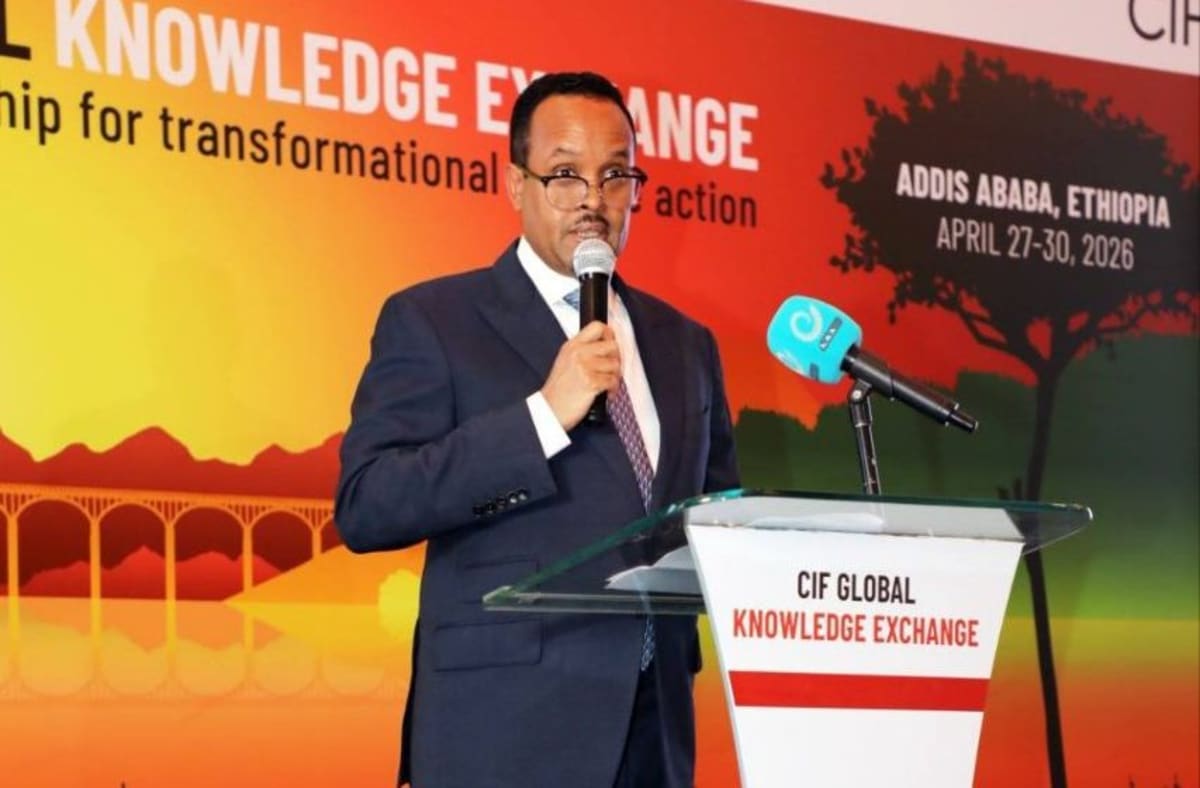
Ahmed Shide, Ethiopia's Finance Minister, told the Global Knowledge Exchange forum that climate action sits at the heart of the country's development plans. He emphasized that current funding levels fall dramatically short of what's needed to protect vulnerable communities.
The timing matters because Ethiopia will host COP32 in 2027, giving Africa's most climate-vulnerable and underfunded region a powerful platform. Alex Mubiru from the African Development Bank noted that CIF has already backed over $1.1 billion in projects across 28 African countries, leveraging around $10 billion in additional financing.
The Ripple Effect
Ethiopia's climate investments are already creating visible change across the economy. Factories are switching from diesel and coal to electric systems, powered by the country's growing renewable energy capacity.
The circular economy is expanding fast, with steel production now using 20 percent recycled scrap and about 30 percent of plastic waste getting reused. More than ten electric vehicle assembly plants are operating across industrial hubs including Debre Berhan, Dukem, and Bole Lemi.
Dawit Alemu from the Ministry of Industry shared that every dollar invested through CIF and development banks generates $12 in returns through multiplier effects. The "Nature and People" programs alone received $32 million in combined funding, demonstrating how climate finance can scale rapidly.
Green transportation is reshaping logistics too. The Addis Ababa to Djibouti railway now operates as a carbon-free transport corridor, moving goods without fossil fuels.
Since 2008, the Climate Investment Funds has invested over $1 billion in resilience programs across more than 30 countries. CEO Tariye Gbadegesin warned that climate shocks threaten billions of livelihoods, making scaled-up investment essential for protecting economies and communities.
Ethiopia's focus areas include climate-resilient agriculture, water security, renewable energy, sustainable land management, and resilient urban systems. Applications for the new ARISE program close June 8, 2026.
As Ethiopia prepares to host the world's most important climate summit next year, officials see private sector engagement and increased finance as the keys to turning climate commitments into measurable impact across Africa.
Based on reporting by Regional: ethiopia development (ET)
This story was written by BrightWire based on verified news reports.
Spread the positivity!
Share this good news with someone who needs it