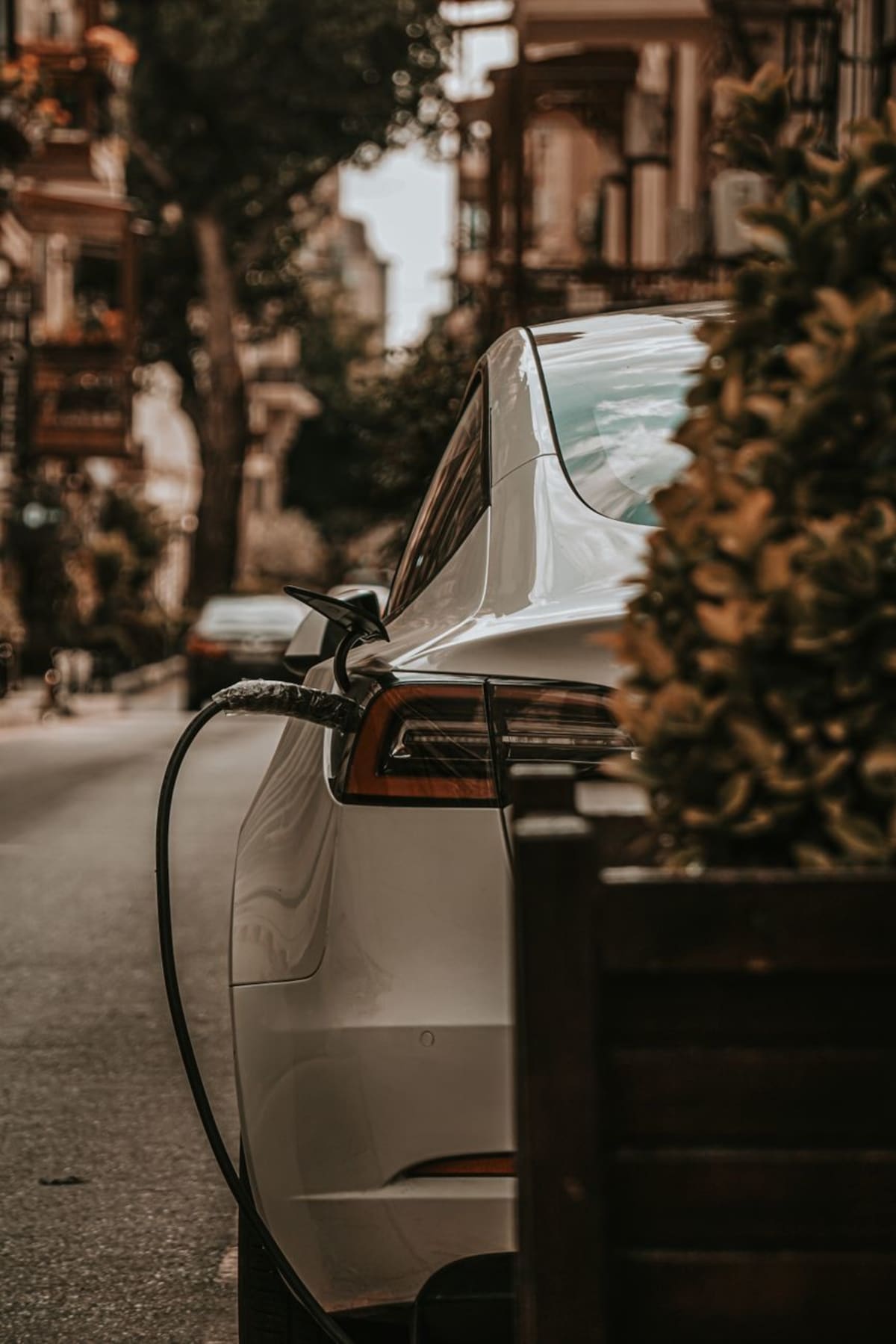
Ethiopia Launches Electric Vehicle Plan Through 2030
Ethiopia just unveiled an ambitious national strategy to transform its transportation system with electric vehicles, charging networks, and local manufacturing by 2030. The East African nation is joining a continental shift toward clean mobility that could reshape urban life for millions.
Ethiopia is betting big on electric vehicles to power its future. The country just launched a comprehensive five-year roadmap that aims to revolutionize how millions of people move through cities while slashing emissions and fuel dependence.
Officials unveiled the National Electric Mobility Strategy at a workshop in Addis Ababa this week, bringing together government leaders, development partners, and transport experts. The plan covers everything from building charging stations to creating jobs in battery manufacturing.
This isn't just about swapping gas cars for electric ones. Ethiopia's strategy targets a complete transformation of urban transport, including electric buses, strengthened green infrastructure, and even better support for walking and biking in major cities.
The government is creating incentives for private companies to invest in the sector while developing policies to make electric vehicles more accessible. They're also planning to build domestic manufacturing capabilities so Ethiopia can produce vehicle components and batteries locally instead of importing everything.
Training centers will teach technical skills needed for this new industry. Consumer protection standards will ensure safety and quality as the market grows.
The Ripple Effect
Ethiopia's move reflects a bigger change happening across Africa. The African Union recently endorsed a regional framework for electric vehicles, and countries from Egypt to South Africa are racing to build their own clean transport systems.
International experts now rank Ethiopia among Africa's leaders in electric mobility adoption. The shift comes as African nations seek energy independence, lower transportation costs, and meet climate goals without sacrificing economic growth.
For Ethiopian cities already struggling with air pollution and traffic congestion, electric public transit could mean cleaner air and faster commutes. The manufacturing focus promises new jobs in assembly plants, battery production, and maintenance services.
Other developing nations are watching closely. If Ethiopia succeeds in building an electric vehicle ecosystem from the ground up, it could provide a blueprint for countries making the leap from traditional transport to sustainable mobility.
The 2025 to 2030 timeline is ambitious but achievable. Ethiopia joins a growing coalition of nations proving that clean transportation isn't just for wealthy countries anymore.
Based on reporting by Regional: ethiopia development (ET)
This story was written by BrightWire based on verified news reports.
Spread the positivity!
Share this good news with someone who needs it