Ethiopia Launches Plan to Help Refugees and Host Towns Thrive
Ethiopia just validated a groundbreaking roadmap that treats refugee support and local community development as one integrated mission. The Makatet Roadmap brings together government agencies, UN partners, and regional leaders to ensure services benefit both refugees and the Ethiopians welcoming them.
Ethiopia is home to one of Africa's largest refugee populations, and instead of treating humanitarian aid as separate from national development, the country just took a major step toward merging them into one unified strategy.
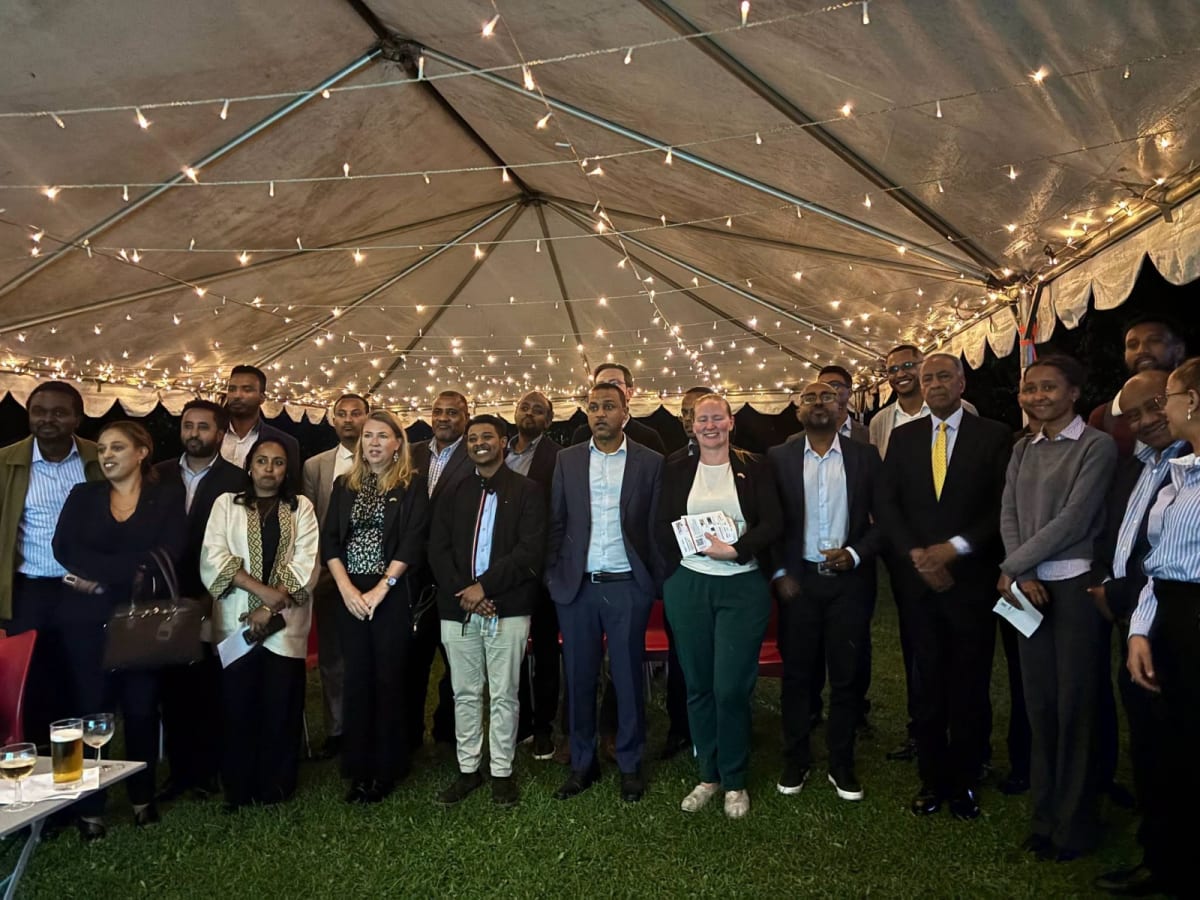
The Government of Ethiopia, working with the Refugees and Returnees Service and UNHCR, held a national workshop in Addis Ababa to validate the Makatet Roadmap. This framework ensures that investments in refugee-hosting regions strengthen schools, healthcare, and infrastructure for everyone living there, not just new arrivals.
State Minister of Finance Semereta Sewasew emphasized that success depends on realistic planning and smart use of resources. She noted that while Ethiopia remains deeply committed to welcoming refugees, the approach must adapt to today's tighter global funding landscape through better coordination and efficiency.
The workshop brought together federal officials, regional governments, and humanitarian partners to clarify who does what and how they'll work together. Participants stressed the need for strong leadership to keep momentum going and ensure plans actually translate into better services on the ground.
Teyiba Hassen, Director General of the Refugees and Returnees Service, highlighted Ethiopia's long tradition of refugee protection. She pointed to ongoing efforts to weave refugee response into national development plans, making it part of the country's overall growth strategy rather than a side project.
The Ripple Effect
When refugee-hosting regions get stronger infrastructure and services, the benefits spread far beyond humanitarian goals. Better roads, schools, and clinics serve Ethiopian families who've lived there for generations alongside newcomers seeking safety.
This integrated approach recognizes that host communities often face the same challenges as refugees: limited access to healthcare, education, and economic opportunity. By addressing these needs together, Ethiopia is building resilience that will last long after today's crises fade.
The roadmap also acknowledges reality: while international support remains important, Ethiopia is preparing for a world where aid is less predictable. That means making every dollar count and ensuring systems can sustain themselves over time.
UNHCR Assistant High Commissioner Raouf Mazou met with Ethiopian officials on the sidelines to discuss how the UN can best support this vision. Both sides committed to working in lockstep, ensuring humanitarian efforts align with national priorities rather than running on parallel tracks.
Ethiopia's approach offers a model for other countries hosting large displaced populations: treat integration not as a burden but as an opportunity to strengthen the entire community.
Based on reporting by Regional: ethiopia development (ET)
This story was written by BrightWire based on verified news reports.
Spread the positivity!
Share this good news with someone who needs it