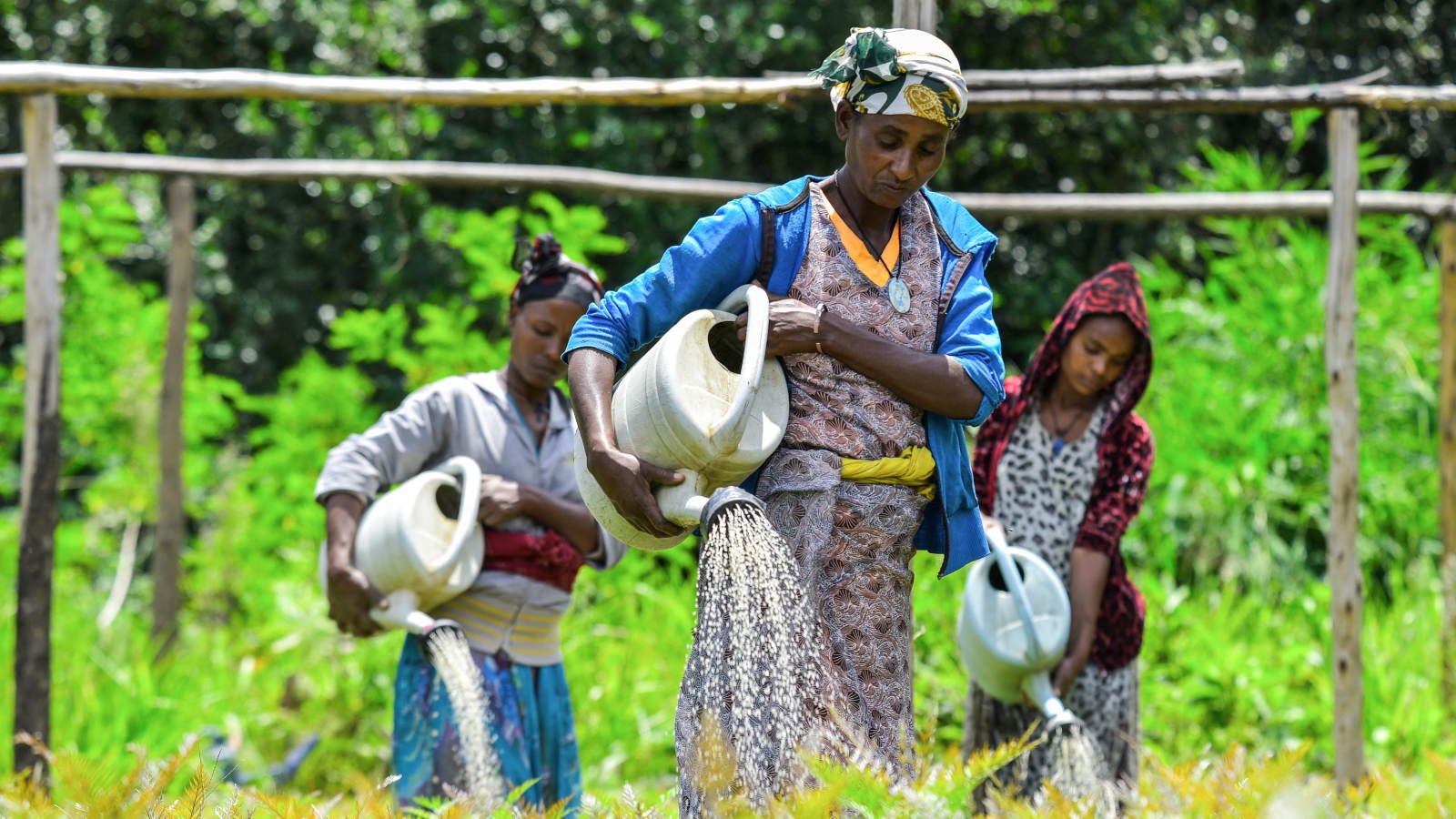
Ethiopia Plants 47 Billion Trees in 7 Years
After losing nearly all its forests to farming and erosion, Ethiopia mobilized tens of millions of volunteers to plant 47 billion seedlings in just seven years. The massive greening effort is already restoring degraded farmland and giving hope to communities struggling with climate change.
When Niku Argane watched his family's farm in central Ethiopia slowly wash away, he knew something had to change. Deep gullies carved through land that once grew enough barley and potatoes to feed his wife and four children, with plenty left over to sell.
He wasn't alone. Over the last century, Ethiopia cleared nearly all its forests for farming, grazing, and fuel. By 1989, forest cover had plummeted from 40 percent to less than 3 percent, and the country was losing 1 billion metric tons of precious topsoil every year.
Without tree roots to hold the soil in place, wind and rain washed away the land farmers depended on. Climate change made things worse, bringing heavier floods and harsher droughts that left 15.8 million Ethiopians needing food assistance in 2024.
But now the country is fighting back with one of the world's largest environmental restoration campaigns. In just seven years, tens of millions of Ethiopians have planted more than 47 billion seedlings, aiming to reach 50 billion by 2030.
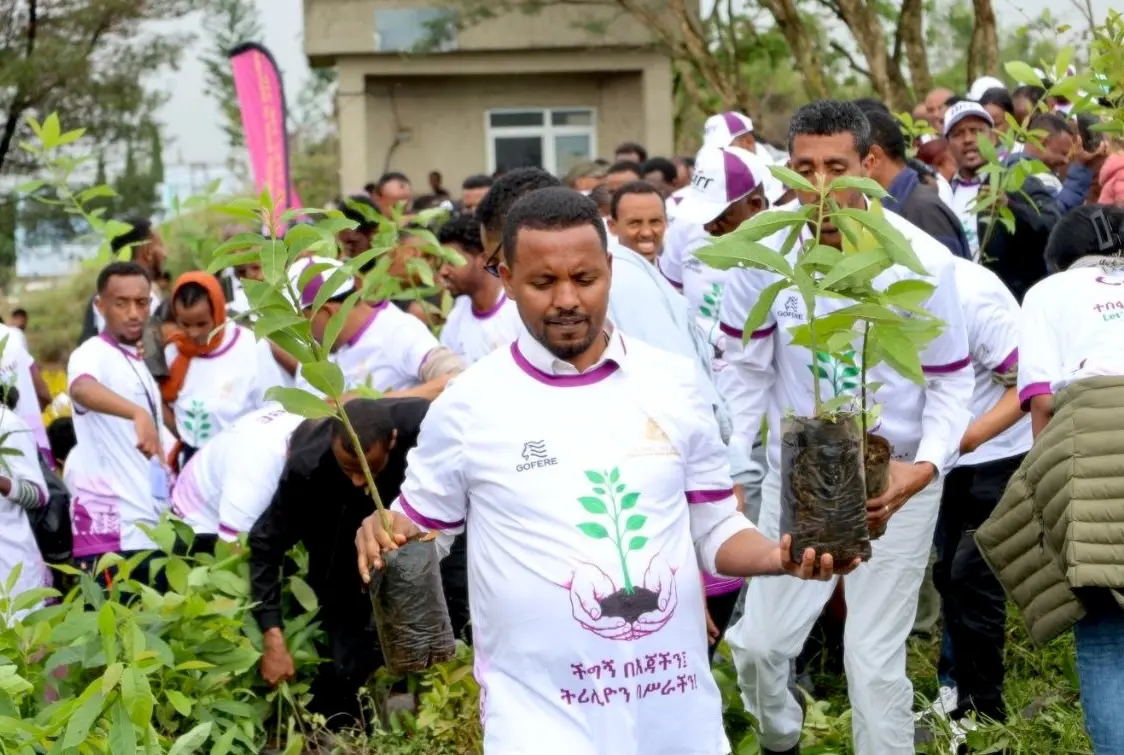
The government turned tree planting into a nationwide movement in 2019 with the Green Legacy Initiative. It mobilized farmers, teachers, students, religious groups, and government workers, distributing free seedlings across the country.
In August 2024, a record 26.6 million Ethiopians planted 800 million tree seedlings in a single day. Yeshihareg Teferi traveled at sunrise from her home in Addis Ababa to dig holes in the rain and plant juniper trees alongside millions of others.
"We have a responsibility to ensure future generations inherit a green and fertile environment, rather than barren land," she said. For her, it was the fifth year joining the annual planting event.
Argane planted 80 tree seedlings on his farmland and another 50 in a communal area. His small contribution is part of something much bigger, as volunteers rebuild native forests and integrate trees into farmland across the country.
The Ripple Effect
The commitment runs deep. Ethiopia now dedicates up to 1 percent of its annual federal budget (around $145 million) to restoring landscapes, an unusually large investment for a low-income country.
The scale of the effort impressed the international community so much that Ethiopia was selected to host next year's United Nations climate conference. It's a prestigious honor that will spotlight the nation's greening success on the world stage.
Experts acknowledge that reforestation programs often fall short, but Ethiopia's massive scale offers real hope. Even if only 30 percent of the trees survive, that's still billions of trees rebuilding forests, holding soil in place, and protecting communities from worsening climate shocks.
The government already reports signs of impact, with landscapes visibly greening across the country. For farmers like Argane watching trees take root in once-barren soil, the future is starting to look a little brighter.
More Images


Based on reporting by Grist
This story was written by BrightWire based on verified news reports.
Play Today’s BrightWire Positive Mini Crossword & Word Game
Keep your mind sharp with our free 5-minute uplifting daily crossword and positivity word puzzle.
Spread the positivity!
Share this good news with someone who needs it