Ethiopia Shows Africa How to Build Climate-Proof Farms
Ethiopia is proving that smart farming methods can protect food supplies against droughts and floods, and now the whole continent wants to learn their playbook. African leaders are meeting in Addis Ababa to turn Ethiopia's success into a coordinated plan for climate-resilient agriculture across the continent.
When climate change threatens to leave families without food, Ethiopia is showing there's a better way forward.
The country has become a testing ground for climate-smart agriculture that's actually working. By combining traditional knowledge with ecosystem restoration and supporting small farmers instead of just big corporations, Ethiopia is keeping food on tables even as weather patterns shift dramatically across Africa.
Now the continent wants to scale up that success. This week, hundreds of farmers, Indigenous leaders, researchers and government officials gathered in Addis Ababa for a three-day summit to hammer out a unified African approach to protecting food systems. The timing matters because the UN's major climate conference will take place in Ethiopia's capital next year, giving Africa a rare chance to lead the conversation.
The stakes couldn't be higher. Africa faces an adaptation funding gap that's staggering: the continent needs between 310 and 365 billion dollars annually by 2035 to adapt to climate change, but received only 26 billion dollars in 2023. That massive shortfall translates directly into failed harvests, hungry families and economic instability.
Dr. Million Belay, who leads the Alliance for Food Sovereignty in Africa, argues the crisis goes beyond just weather. It's about who controls Africa's agricultural future: the seeds farmers plant, the land they farm, the markets they sell to, and the financial support they receive. He wants African farmers and Indigenous communities treated as leaders designing solutions, not just recipients waiting for outside help.
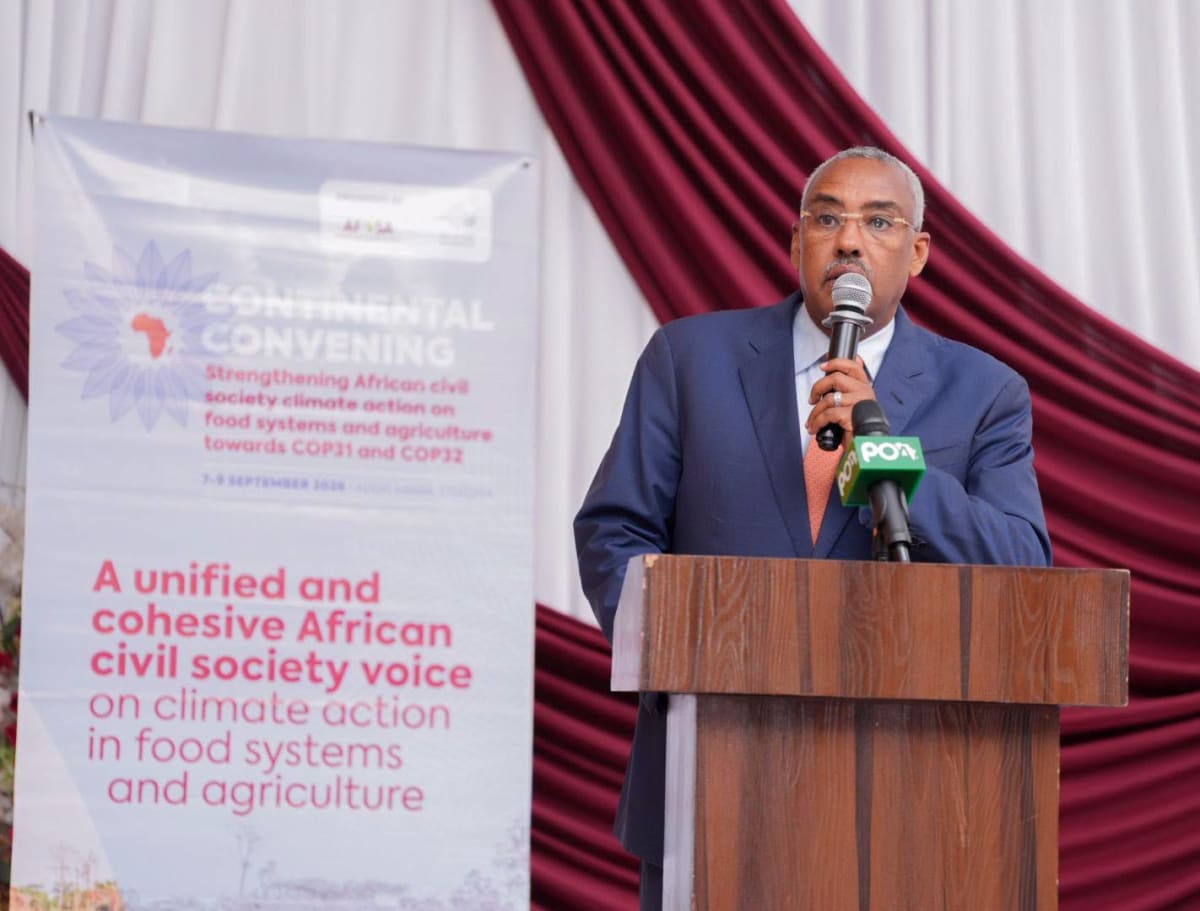
The nutrition connection makes this even more urgent. Former Ethiopian Deputy Prime Minister Demeke Mekonnen points out that climate disasters show up first on dinner plates. When droughts destroy crops or floods wash away harvests, children and pregnant women suffer malnutrition before anyone declares an official crisis.
The Ripple Effect
Ethiopia's approach offers hope because it works with nature instead of against it. Restoring degraded land brings back soil health. Protecting biodiversity gives farmers more options when one crop fails. Local seed systems mean communities aren't dependent on distant corporations. These methods strengthen entire rural economies while cutting emissions.
The summit is building something concrete: a unified position paper, specific policy demands, an evidence package showing what works, and a roadmap for holding governments and international donors accountable. African negotiators want to arrive at global climate talks with one powerful voice instead of dozens of competing requests.
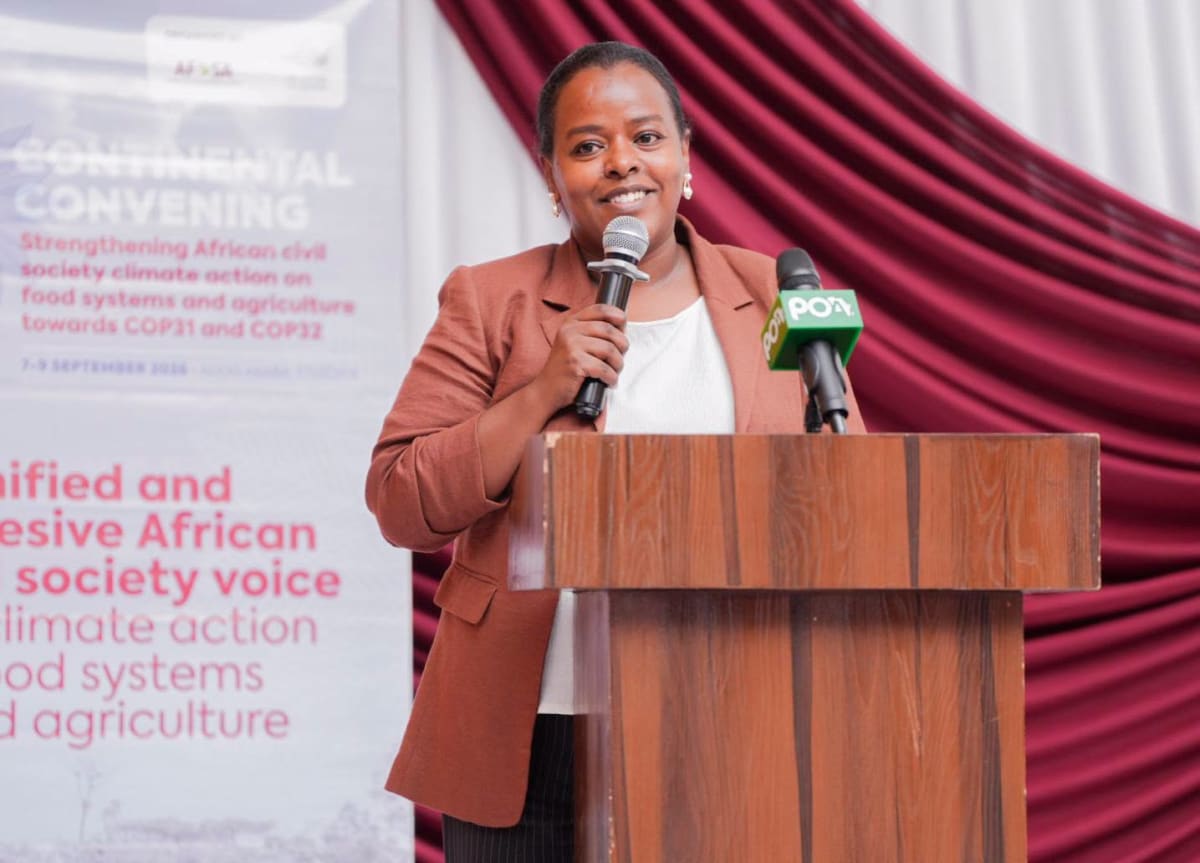
Hana Abebe, representing Ethiopia's Planning Minister, emphasized that climate action must start with communities facing real floods, droughts and crop failures today. The solutions that work for them, scaled across the continent, could reshape how the world thinks about climate-resilient food systems.
Africa isn't waiting for permission to solve its own challenges anymore.
More Images


Based on reporting by Regional: ethiopia development (ET)
This story was written by BrightWire based on verified news reports.
Spread the positivity!
Share this good news with someone who needs it