Taiwan Cuts Farm Fertilizer Use 26% Since 2011
Taiwan has slashed chemical fertilizer use by more than a quarter in 15 years, cutting 50,000 tonnes while racing toward zero agricultural emissions by 2040. The island nation is proving that feeding people and protecting the planet can go hand in hand. ##
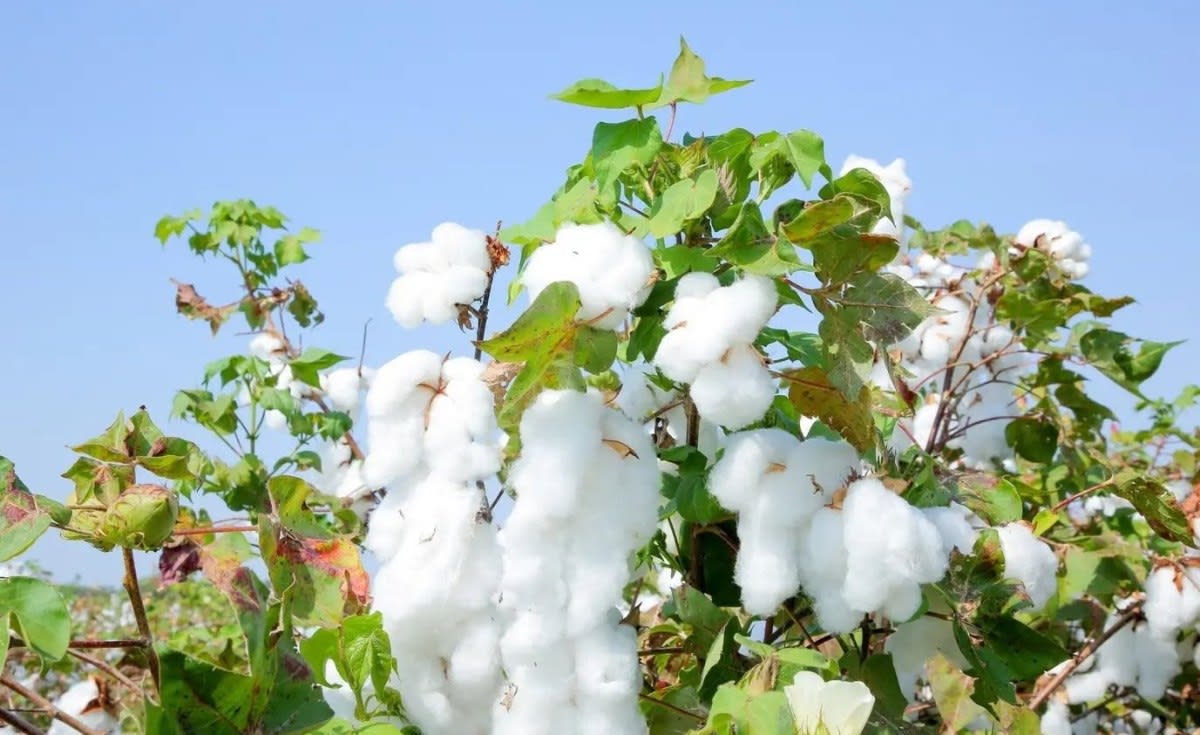
Taiwan's farmers have quietly achieved something remarkable: they've cut chemical fertilizer use by 26 percent since 2011, removing 50,000 tonnes of climate-warming chemicals from their fields. Minister of Agriculture Chen Junne-jih shared the milestone at the Agriculture Net Zero forum in Taipei, calling it proof that sustainable farming works at scale.
The numbers tell a powerful story. Taiwan's agricultural sector currently produces about 6.5 million tonnes of carbon dioxide equivalent each year. Without the changes farmers have made over recent years, that number would have climbed to 7 million tonnes.
The ministry set an ambitious goal in 2022: achieve net zero emissions across all agriculture by 2040. That deadline comes a full year before national net zero regulations even take effect. To get there, officials developed 19 strategies and 59 specific measures built on four key pillars.
Chen explained that agriculture faces unique climate challenges. "Most plants and animals cannot adapt to temperature changes by wearing clothes and retreating to air-conditioned buildings like human beings," he told the forum. Farms sit on the front lines of climate change, making these reductions even more critical.
The strategy goes beyond just using less fertilizer. Farmers are improving production techniques to reduce methane from rice paddies and livestock, while better manure management cuts nitrous oxide emissions. Every adjustment adds up.
The Ripple Effect
Taiwan's approach shows how rethinking waste creates new resources. The ministry aims to convert everything once considered "agricultural waste" into something useful: livestock feed, fertilizer, building materials, or energy. This circular agriculture model turns problems into solutions.
Former agriculture minister Chen Chi-chung raised an important connection at the forum. Taiwan needs about 300 billion kilowatt-hours of electricity annually, and that demand could jump by 100 billion as the semiconductor industry expands. If the nation can't generate enough green power and falls back on coal, agricultural progress could be undermined by energy choices elsewhere.
That's why experts emphasized that achieving true net zero requires cooperation across government agencies, not just within agriculture. Circular resources need to be organized by material type rather than bureaucratic boundaries.
Taiwan's farmers are proving that big climate wins start with thousands of small changes. By cutting fertilizer, capturing methane, and reimagining waste, they're building a model other nations can follow.
##
Based on reporting by Google News - Emissions Reduction
This story was written by BrightWire based on verified news reports.
Spread the positivity!
Share this good news with someone who needs it