Ethiopia Towns Get Clean Water Win with Dutch Partnership
In a country where only 7% have safe sanitation, Ethiopian towns are turning new treatment plants into real services with hands-on training. Dutch water experts are helping local teams operate facilities that will protect millions from waterborne diseases.
Ethiopian towns are finally closing the gap between building sanitation facilities and actually running them, thanks to a partnership that's putting people before pipes.
Only 7% of Ethiopia's 120 million people currently have access to safely managed sanitation. That means untreated waste often seeps into soil, drains, and rivers, creating serious health risks as cities grow rapidly.
The country has been investing heavily in wastewater treatment plants with World Bank funding. But many towns faced a frustrating problem: shiny new facilities sat underused because local staff lacked the training to operate them effectively.
Enter the Blue Deal program, where Dutch and Ethiopian water experts are working side by side to change that. Rather than just dropping off equipment and leaving, they're spending months training local operators, creating maintenance schedules, and building management systems that actually work.
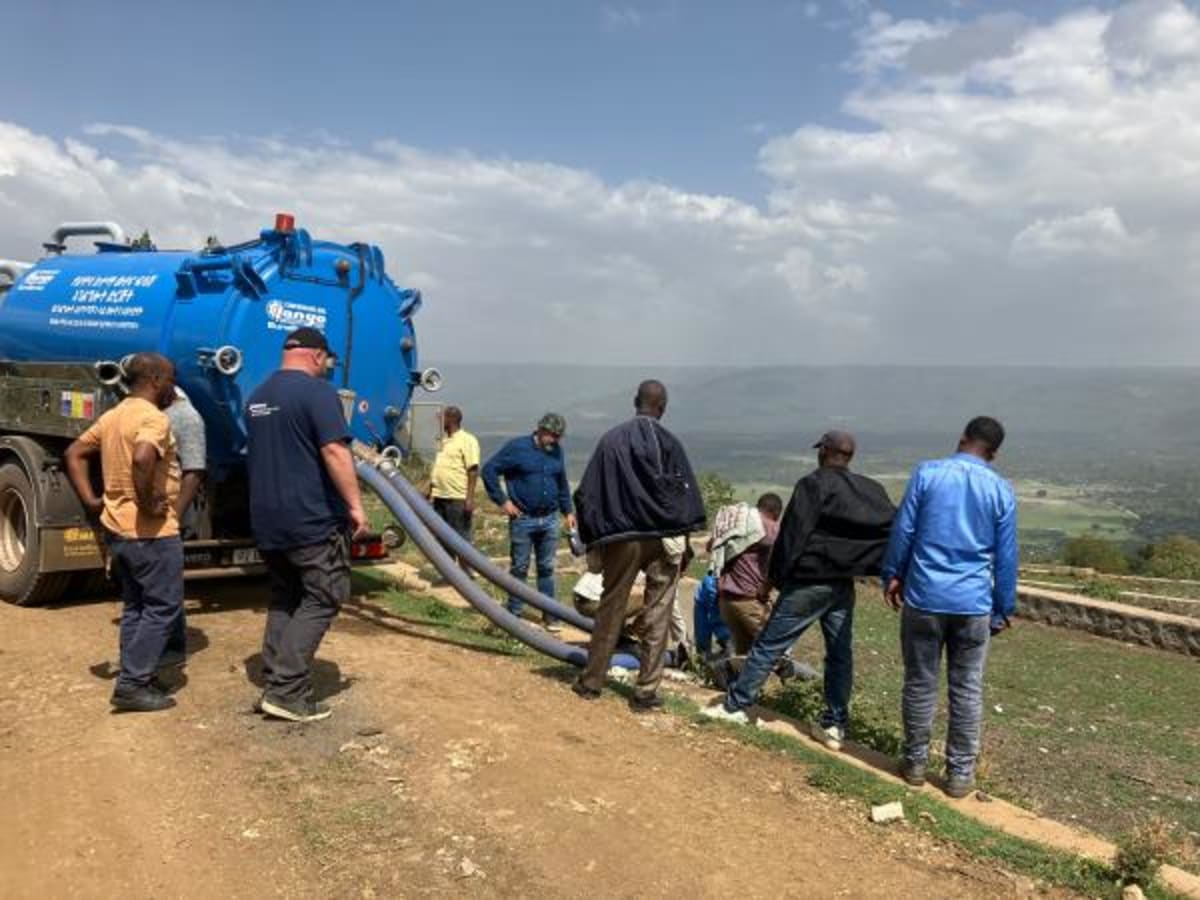
The difference is already visible in several towns. Vacuum trucks that once sat idle are now safely collecting waste from septic tanks. Treatment plants are processing faecal sludge properly instead of letting it overflow into waterways. Local technicians who received manuals in foreign languages now have hands-on guidance they can understand and use.
The partnership goes beyond just technical training. Towns are also installing handwashing stations at public toilets in markets and transport hubs, turning basic facilities into community health education spots. These simple additions help families learn hygiene practices that prevent disease spread.
The Ripple Effect
When sanitation systems work properly, the benefits cascade through entire communities. Children miss fewer school days from waterborne illnesses. Mothers spend less time caring for sick family members. Groundwater stays cleaner for future generations.
The Blue Deal approach recognizes something crucial: infrastructure means nothing without the knowledge to maintain it. By focusing on governance, data management, and knowledge sharing between Ethiopian cities, the program is building expertise that will outlast any single project.
Local utilities are now developing their own operational procedures and training new staff members. That means when the Dutch partners eventually step back, the systems will keep running.
Ethiopia still has a long road ahead to reach universal safe sanitation, but these towns are proving that sustainable progress happens when investment includes people, not just pipes.
Based on reporting by Regional: ethiopia development (ET)
This story was written by BrightWire based on verified news reports.
Spread the positivity!
Share this good news with someone who needs it