New Zealand Region Doubles Water Fountains in Parks
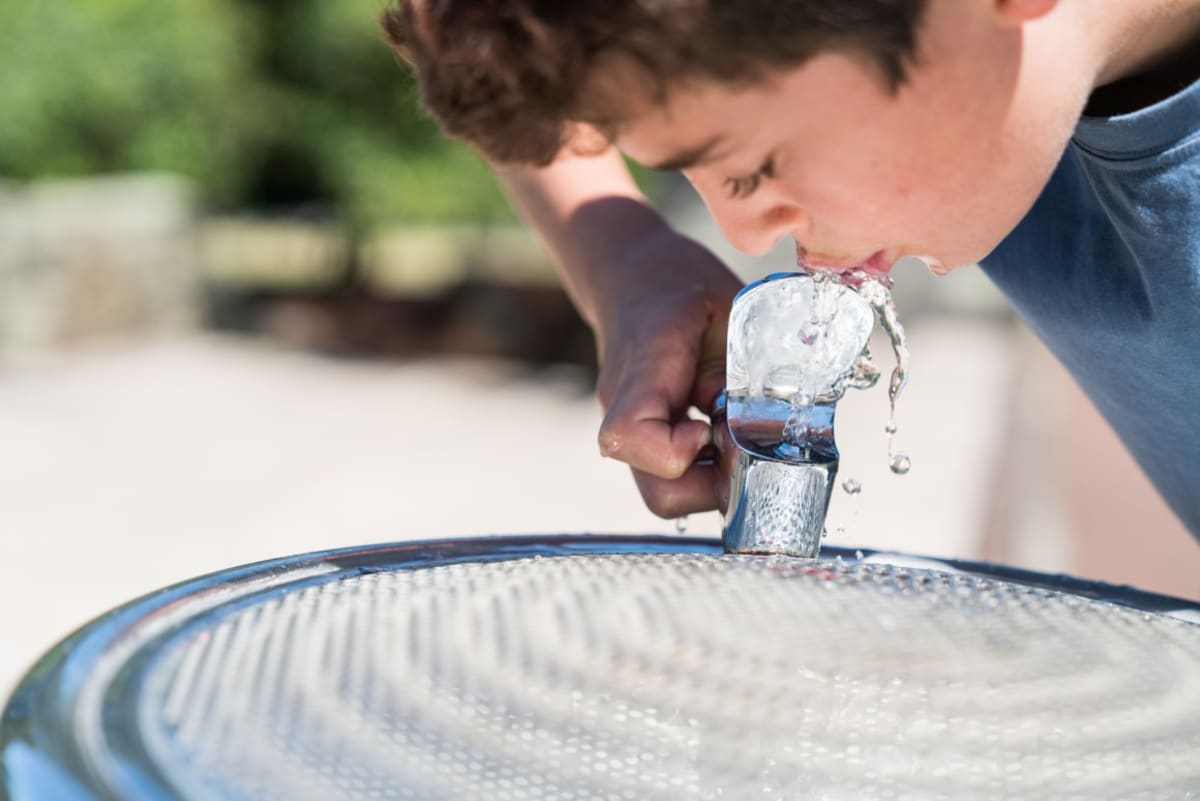
A simple survey and media campaign in New Zealand's Taranaki region doubled the number of public drinking fountains in just nine years. Half of all children's playgrounds now have free water access, more than twice the national average.
A straightforward approach to public health just proved that sometimes the simplest solutions create the biggest wins.
Back in 2017, researchers surveyed parks and playgrounds across New Zealand's Taranaki region and discovered something troubling. Only 19% of public spaces had drinking fountains, and many that existed showed signs of neglect like mold around the nozzles.
Instead of launching an expensive campaign, the team did something beautifully simple. They published their findings and shared them with local media and councils.
The results speak for themselves. Between 2017 and 2026, the three Taranaki councils more than doubled their drinking fountains from 25 to 52. Today, half of all children's playgrounds in the region have water access, compared to just one in five playgrounds across the rest of New Zealand.
The impact reaches far beyond just quenching thirst. Public drinking fountains keep families in parks longer, encouraging kids to play more and adults to exercise. They offer a free alternative to sugary drinks, helping prevent childhood obesity and tooth decay. During hot weather and heat waves, they provide crucial access to hydration.
Studies show that when water becomes the easy choice, people drink more of it and less soda. School research found that simply improving water access increases consumption and can help prevent kids from becoming overweight.
The Ripple Effect
Local Rotary clubs and community groups joined the effort, funding and installing fountains in their neighborhoods. Citizens started asking their councils why their parks didn't have water access like Taranaki's did.
The movement gained enough momentum that researchers now believe other regions can replicate this success. The formula is remarkably accessible: survey your local spaces, share what you find with media and councils, and let community pride do the rest.
Modern fountains often include features that maximize their usefulness. Side taps let people fill water bottles easily. Lower bowls provide water for dogs, encouraging more people to walk their pets in parks. Multiple spout heights serve both children and adults.
The financial case is strong too. Drinking fountains cost relatively little to install and maintain, especially compared to the long-term healthcare savings from reduced obesity, diabetes, and dental problems.
New Zealand's national park design standards already recommend drinking fountains, but many councils weren't following them. Taranaki proved that awareness and gentle public pressure can bridge that gap without requiring new laws or regulations.
Other New Zealand regions are now conducting their own surveys, inspired by Taranaki's success. Some advocates are pushing for the central government to develop a national assessment tool and consider minimum standards for public water access.
One survey and one media release doubled access to free, healthy hydration for an entire region's families.
Based on reporting by Regional: new zealand success story (NZ)
This story was written by BrightWire based on verified news reports.
Spread the positivity!
Share this good news with someone who needs it